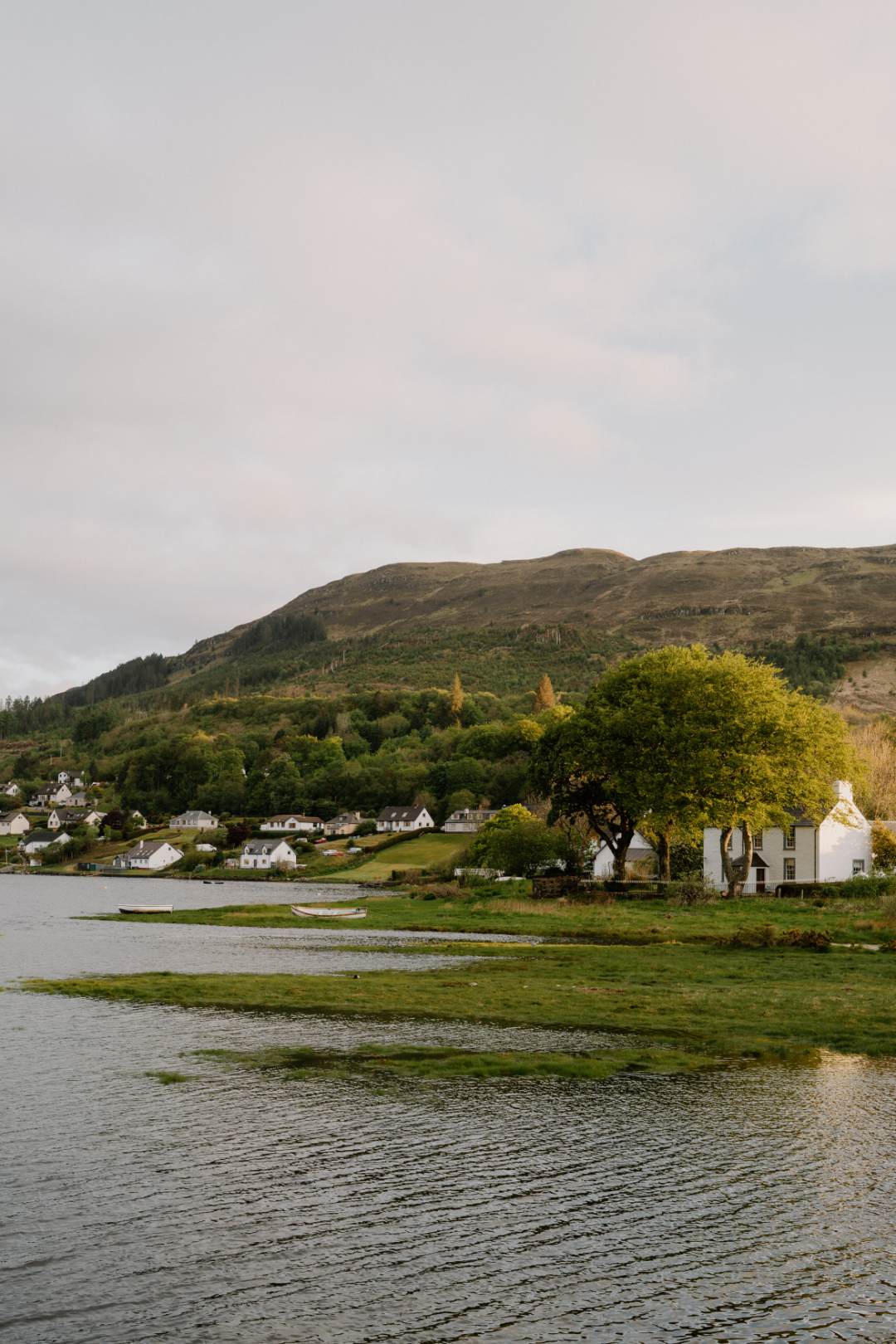
Aberdeen tends to get overlooked, which suits it fine. Scotland's third-biggest city sits where the Dee and the Don meet the North Sea, built almost entirely from grey granite quarried nearby. That stone gave it the look and the nickname: silver-white buildings that catch the light after rain. The money came first from fishing and shipbuilding, then North Sea oil. Around 230,000 people live here now. There's a two-mile sandy beach, a working harbour with dolphins off the mouth of it, free museums and a street art scene that's turned much of the centre into an open-air gallery.

Aberdeen Guide


Our Magazine
Subscribe to the Hidden Scotland Magazine to receive two beautiful issues per year.
SubscribeAt its heart, Hidden Scotland is dedicated to showcasing the essence of Scotland in all its diversity-popular landmarks, secluded spots, captivating stories, and unforgettable experiences. Our bi-annual magazine serves as a curated guide to the blend of the wild and artistic that defines this unique country.
Browse by category
Promoted Post
RSPB Scotland’s 77 nature reserves
This family-friendly reserve, set among the rolling moorland of Lomond Hills Regional Park in Perth & Kinross, is a fantastic place to get youngsters engaged in the joys of nature.

Where to stay
You're spoilt for choice in the city, from grand granite hotels to converted townhouses and serviced apartments right in the centre. Old Aberdeen, up by the university and the cathedral, makes a quieter base if you'd rather be away from the bustle. The West End has the smarter, leafier streets. And if you want the beach, there's accommodation along the seafront where you can wake up to the North Sea. Most places put you within walking distance of the museums and restaurants, which is half the appeal of staying in the city itself.

Aberdeen Dinosaur Footprints
Walks, Nature and Wildlife
For a city, Aberdeen does well for green and blue space. There's a two-mile stretch of sandy beach running north from the harbour, backed by a long esplanade and good for a blowy walk in any weather. Duthie Park down by the Dee has the David Welch Winter Gardens, one of the biggest indoor gardens in Europe and free to get into, which is a godsend on a wet day. Seaton Park and Johnston Gardens are both worth a wander. The best part, though, might be the dolphins. Aberdeen is one of the finest places in the UK to see bottlenose dolphins from dry land, and the headland at Torry Battery near the harbour mouth is the spot. Bring patience and a coat.
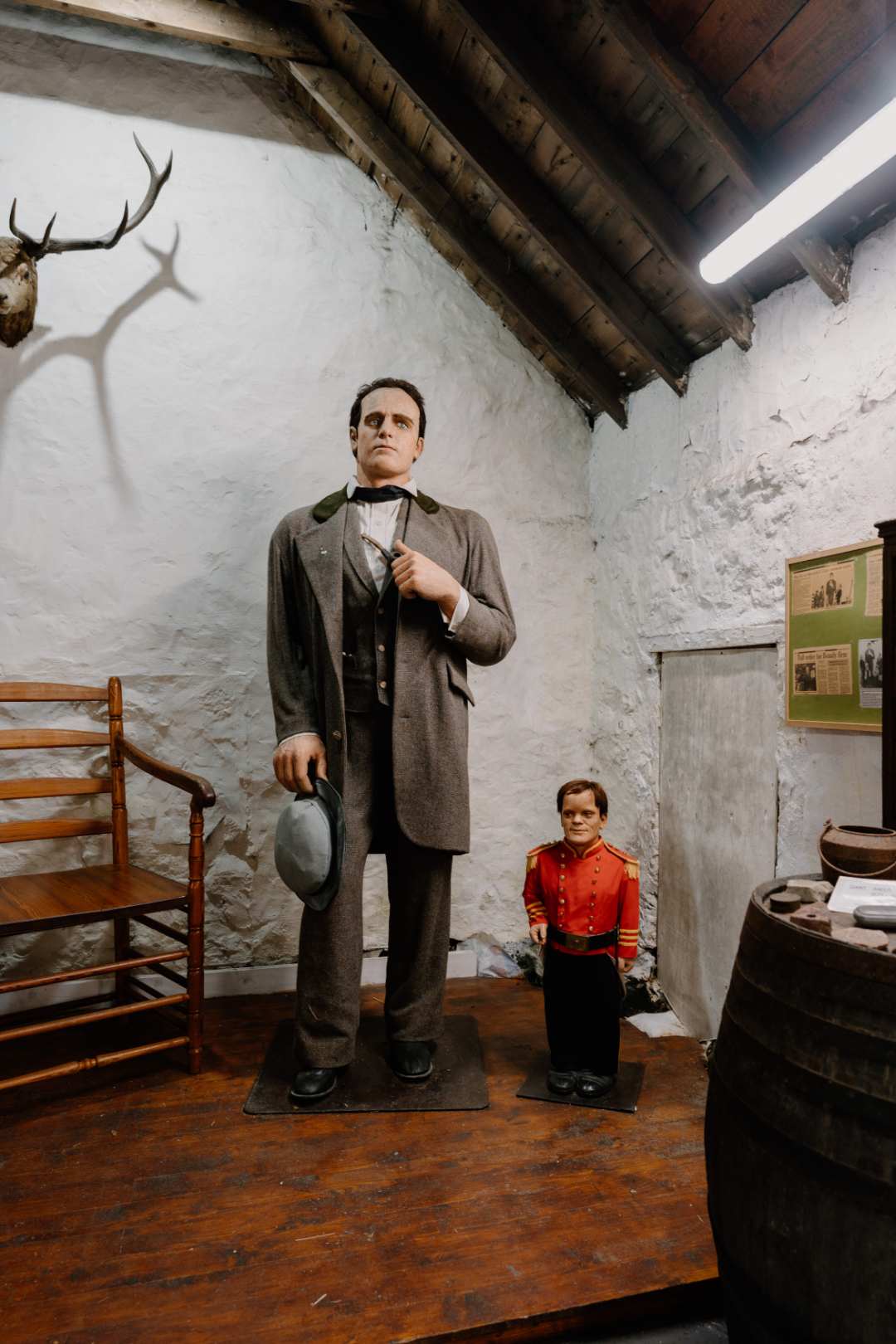
Giant MacAskill Museum

History & Heritage
People have lived around the mouths of the Dee and Don for at least 8,000 years. Aberdeen grew up as two separate burghs, Old and New Aberdeen, and got its royal burgh status from Robert the Bruce in 1319, which set it up as a trading town. By 1600 it had three universities, two of them here, when the whole of England had only two. The city made its name in the 19th century on fishing, shipbuilding and granite, exporting the stone far and wide while using it to throw up a run of imposing civic buildings. Marischal College is the showpiece: finished in its current form in 1906, it's the second-largest granite building in the world after El Escorial in Madrid, and now houses the city council. Then came oil in the 1970s, and the city changed again.
Battle of the Braes

Activities
There's more to do here than the granite might suggest. You can tour His Majesty's Theatre behind the scenes, take a guided walk through the city's grislier criminal history, or get out on the water. Codona's amusement park sits on the beachfront for anyone with kids to entertain. There's golf, of course, this being the northeast: Royal Aberdeen is one of the oldest clubs on the planet, founded in 1780. And the city makes a natural launchpad for day trips out to the castles and distilleries of the wider shire, most of them within an hour's drive.
Did you know…
Did you know…
Food & Drink
Aberdeen eats well, helped along by all that fertile country on its doorstep and a harbour bringing in fresh seafood. The city has a proper restaurant scene these days: Michelin-recommended Moonfish down on The Green, the cocktails and small plates at the Tippling House, plant-based Foodstory, and any number of good cafés tucked into the granite. The Silver Darling sits right at the harbour mouth, doing seafood with a view of the boats coming in. Plenty of independent coffee places have opened up too. You'll find Cullen Skink on menus all over, and Aberdeen Angus beef rarely far behind.
Planning FAQs
May through September, on the whole. The days are long that far north, stretching close to 18 hours of light around the June solstice, and the weather, while never guaranteed, is at its kindest. July's the warmest month, though that means highs of around 17 or 18°C rather than anything you'd call hot. Summer's also when the festivals cluster: NuArt street art, the dolphins are about, and the beach actually gets used. May and September are quieter and often drier. Winter is cold, dark and windy, but the city's museums and the Winter Gardens make decent wet-weather boltholes.
Easily enough. Direct ScotRail trains run from Edinburgh and Glasgow, both around two hours twenty, with the line carrying on north to Inverness. There are direct trains from London King's Cross, Newcastle and Birmingham too. By road it's the A90, about two and a half hours from Edinburgh. Aberdeen Airport sits at Dyce, six miles northwest of the centre, with flights to London, elsewhere in the UK and a handful of European cities. The Stagecoach Jet 727 bus links the airport to the centre every 10 minutes on weekdays. You can also arrive by ferry from Orkney and Shetland.
Not for the city itself. Aberdeen's centre is compact and walkable, and most of the main sights, Union Street, Marischal College, the harbour, the museums, are within easy reach of each other on foot. Be warned it's built on a few hills, so wear decent shoes. There are multi-storey car parks at Union Square, Bon Accord and St Nicholas if you do drive, but note the city centre has bus gates that restrict through traffic on some streets. Where a car earns its keep is for getting out into Aberdeenshire, where the castles and distilleries are scattered and public transport thins out.
Two days is enough to see the best of the city: the art gallery, the maritime museum, Old Aberdeen, a walk along the beach and maybe an evening on the restaurant scene. If you're using it as a base for day trips into Royal Deeside or up the coast, give yourself longer, four or five days, so you're not rushing. Plenty of people treat the city as the start and end point of a wider northeast trip rather than a destination in its own right, which works well.
You can, and it's one of the best spots in the UK to do it from dry land. Bottlenose dolphins come into the mouth of the harbour, and the headland at Torry Battery, just south of the harbour entrance, is the place to stand and watch. Summer tends to be the most reliable time, often around high tide when fish are pushed in. No boat needed. Bring a coat and some patience and you've a good chance.
Yes, more than you might expect. The beach has Codona's amusement park right on the front, there's Aberdeen Science Centre with its 60-odd interactive exhibits, and the Winter Gardens at Duthie Park are free and a good shout on a wet day. The maritime museum is hands-on enough to hold younger attention, and the beach itself is a long stretch of sand. Add the dolphins and a few good parks and you'll fill a few days easily.
Granite, mainly. The city's built almost entirely from the local grey stone, which is where the Granite City nickname comes from, and Marischal College is the showpiece, the second-largest granite building in the world. Then there's North Sea oil, which reshaped the place from the 1970s and earned it the Oil Capital of Europe tag. Beyond that: a long sandy beach, the dolphins, a strong run of free museums and one of the best street art scenes in the country.
Technically no, though it's an easy thing to muddle. The city has its own council and is administratively separate from Aberdeenshire, the county that surrounds it. In everyday use people lump the two together, and for trip-planning it barely matters: you'll likely base yourself in the city and head out into the shire for the castles, hills and coast. Historically the city was part of Aberdeenshire, which is why the confusion persists.
Interesting news from Aberdeen
Aberdeen's Kirsty Muir finishes fourth in the women’s big air final at the 2026 Olympics
British freestyle skier Kirsty Muir finished fourth in the women’s big air final at the 2026 Winter Olympics in Livigno, narrowly missing out on a medal. She delivered one of the highest individual jump scores with a double cork 1620 but was overtaken in the final round by competitors from Canada, China and Italy. This was the second time at these Games that the 21-year-old from Aberdeen narrowly missed the podium, having also placed fourth in the slopestyle final. Muir said her result was “bittersweet” after going for a trick she had not landed before and giving her best effort.

University of Aberdeen to open India campus this year
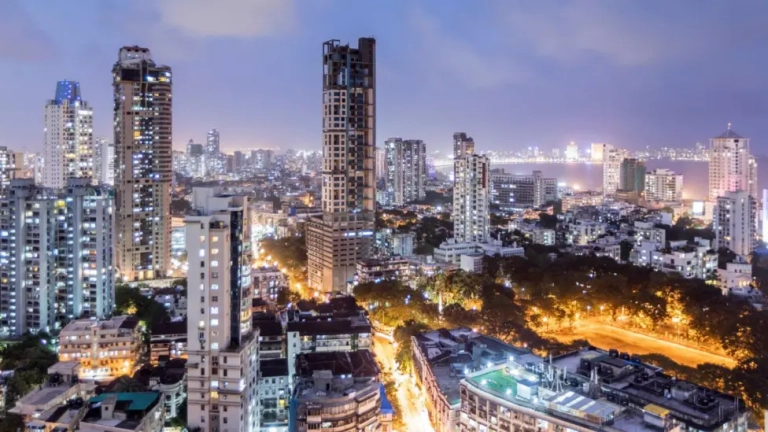
The University of Aberdeen has confirmed it will open a new campus in India later this year. The branch campus will be based in the Powai area of Mumbai, with admissions now open and teaching expected to begin in September. Initial courses will focus on artificial intelligence, management, computing and data science. The university received approval from the Indian government last year to progress the plans. The move marks the institution’s first overseas campus and is intended to strengthen international academic links and attract students from across India and the wider region.
Aberdeen to Bid Again for Tall Ships Races
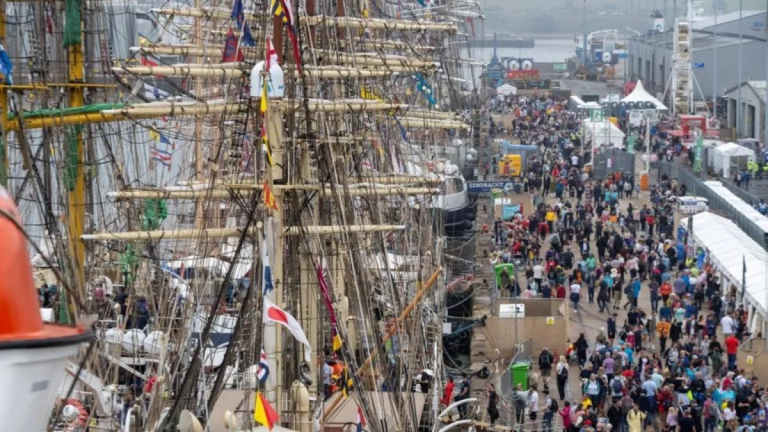
Aberdeen will bid to host the Tall Ships Races again following the huge success of this summer’s event. Nearly half a million people attended in July, generating more than £30 million for the local economy, far exceeding expectations. The international spectacle, one of Scotland’s largest tourism events this year, drew visitors from across the UK to Aberdeen Harbour. The city council has now agreed to submit a new bid, in partnership with the Port of Aberdeen and Sail Training International, to bring the event back as early as 2030. Organisers described it as a landmark moment for the city.
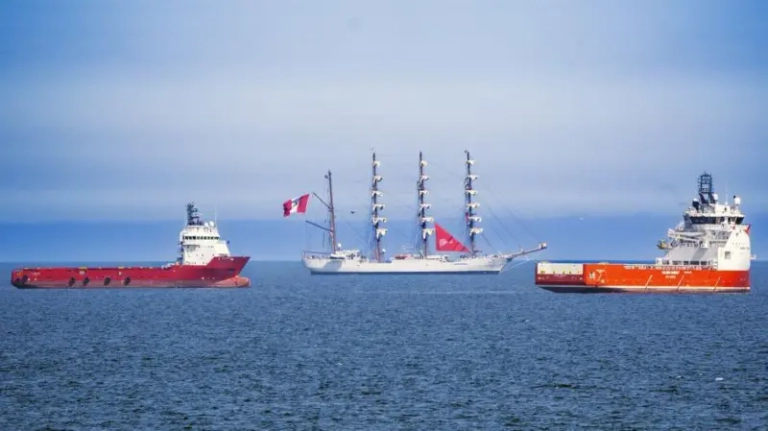
Tall Ships event attracted nearly 500,000 visitors
Almost half a million people attended this year’s Tall Ships Races in Aberdeen, generating more than £30 million for the local economy. The July event far exceeded expectations, attracting 496,000 visits, with nearly a fifth of attendees travelling from outside north-east Scotland. A council report said the economic benefit was £12 million higher than forecast, with hotel stays, business turnover and local trade all boosted. Aberdeen City Council said it hopes to host the Tall Ships again and is now planning a Festival of the Sea for 2026, supported by the Coastal Communities Fund.
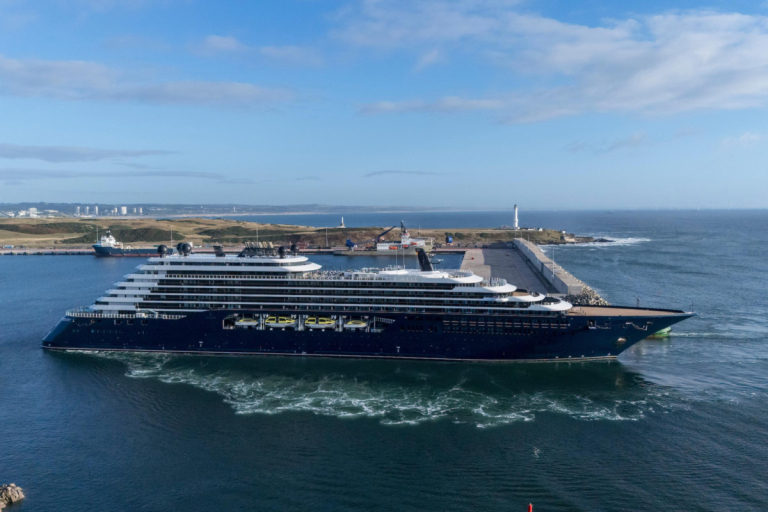
Scottish Port Celebrates Record-Breaking Cruise Season
Scotland’s Port of Aberdeen has marked another record-breaking cruise ship season. The port received more than 60 cruise calls during the 2025 season, bringing approximately 40,000 visitors to the north-east of the country. The influx has supported local tourism, retail and hospitality sectors. Senior port officials said the growth reflects continued investment in berth facilities and the appeal of Scotland’s scenic coastline. While full economic figures are still being collated, the result underlines the region’s growing role in UK cruise-tourism and is seen as a positive signal for future visitor-economy planning.









-full-1748901366.jpg)


Sign in with Google
Sign in with Email