Did you know
Where it was raised.
The cross has stood in the same spot for more than 1,200 years, which makes it one of very few early Christian crosses still in their first place.
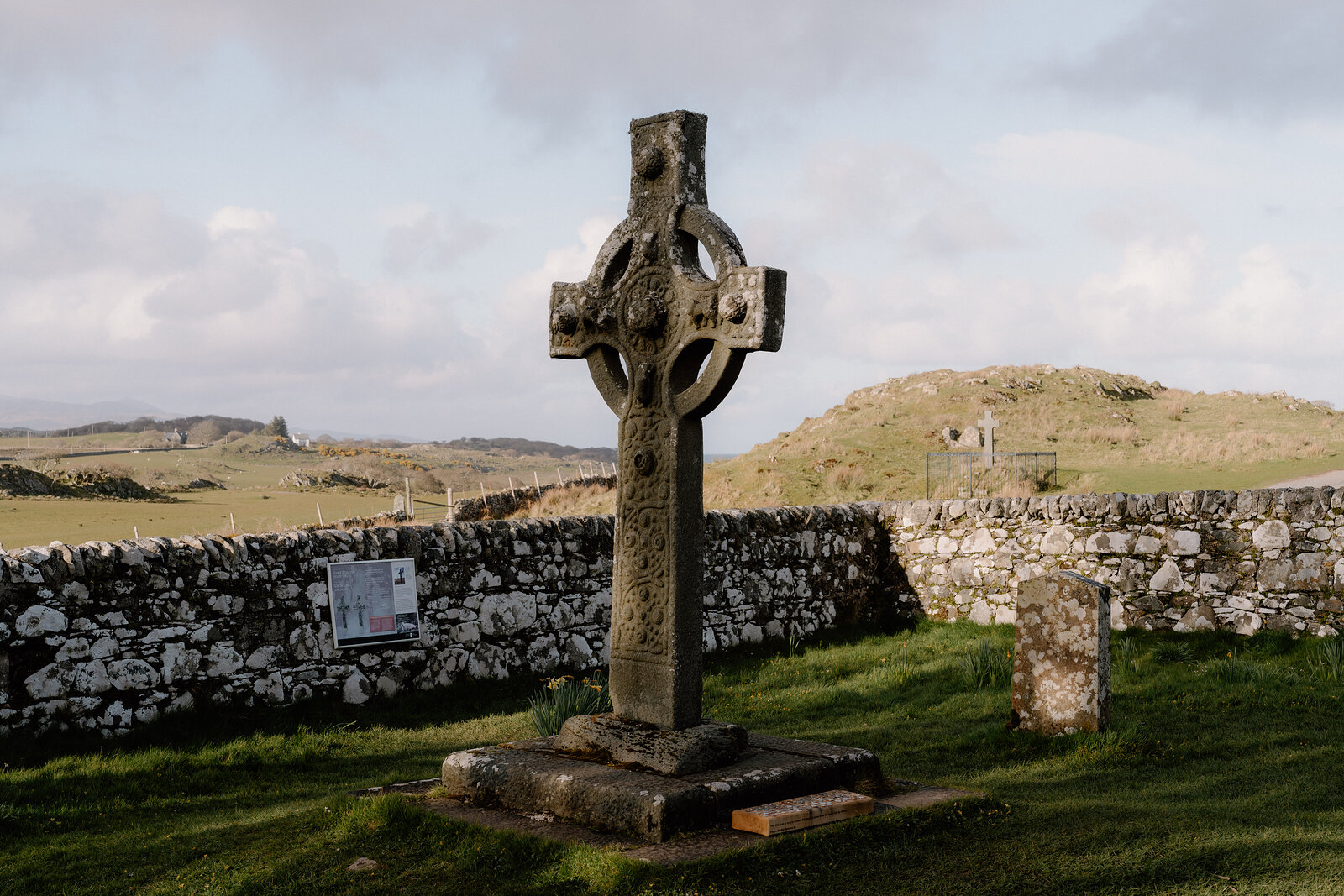
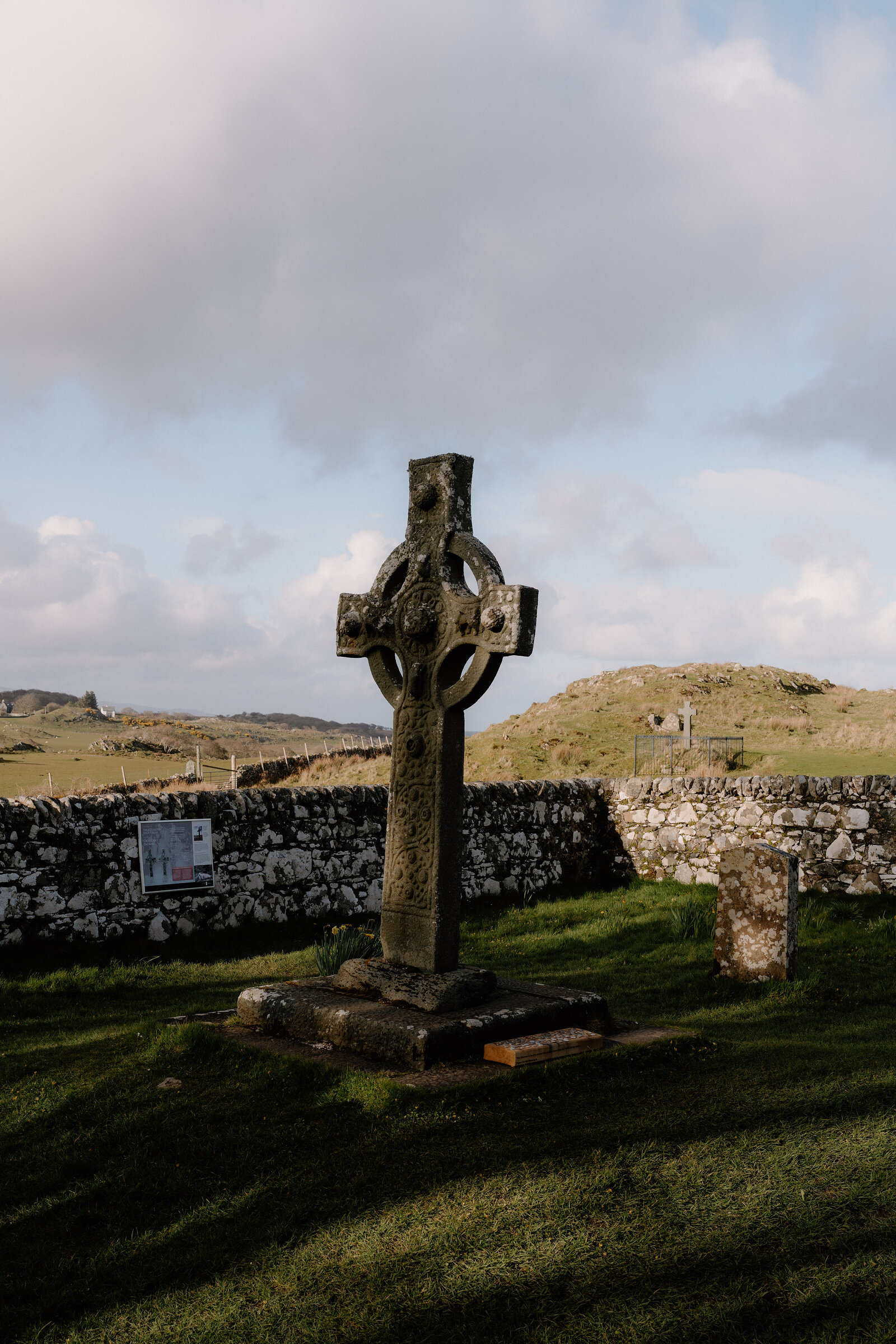
A ring-headed high cross of the 700s, still standing where it was raised, in a chapel yard in south-east Islay.
The Kildalton Cross stands in the churchyard of a roofless chapel in the fields and woods of south-east Islay, west of Ardmore, and it is one of the finest carved stones of medieval Scotland.
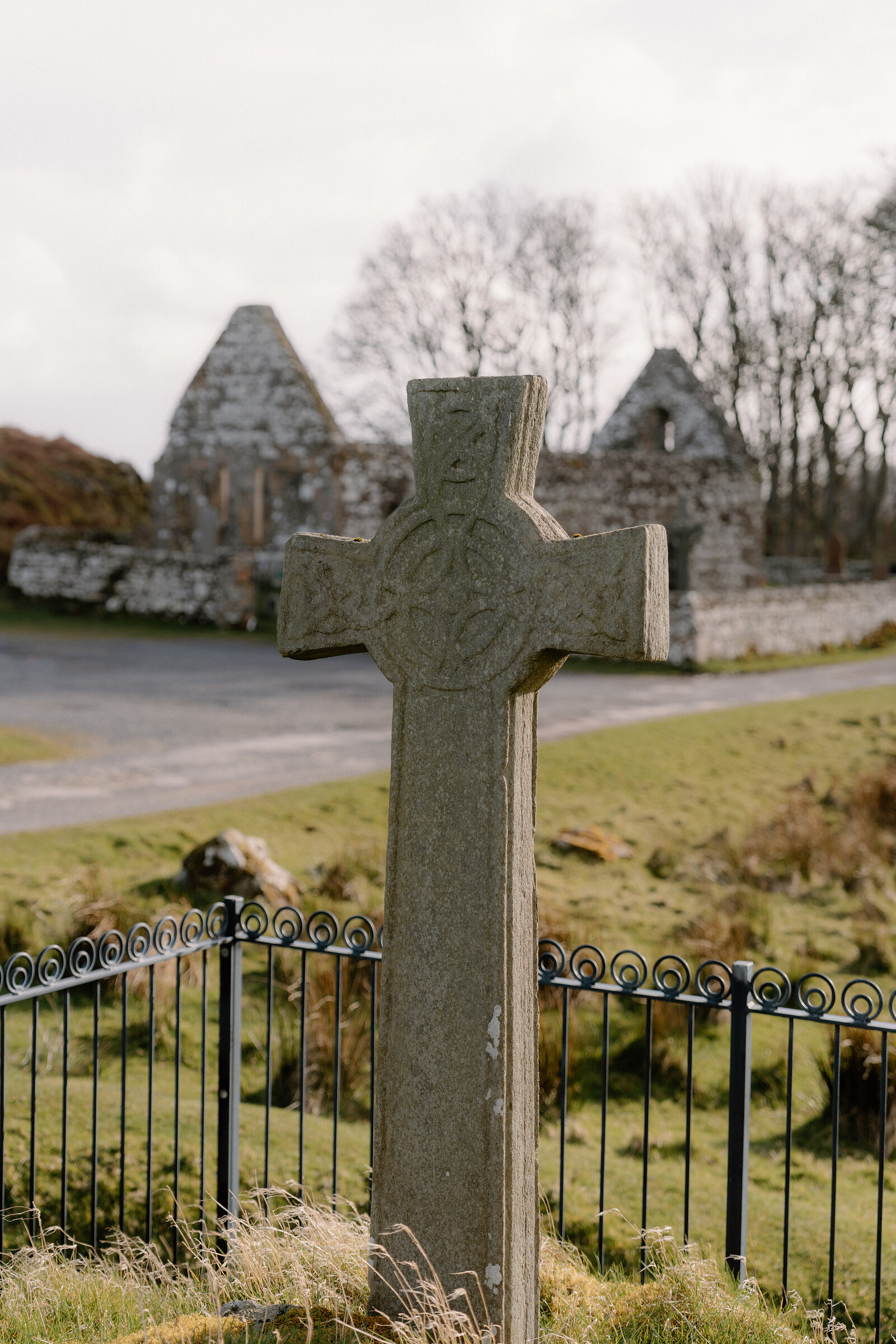
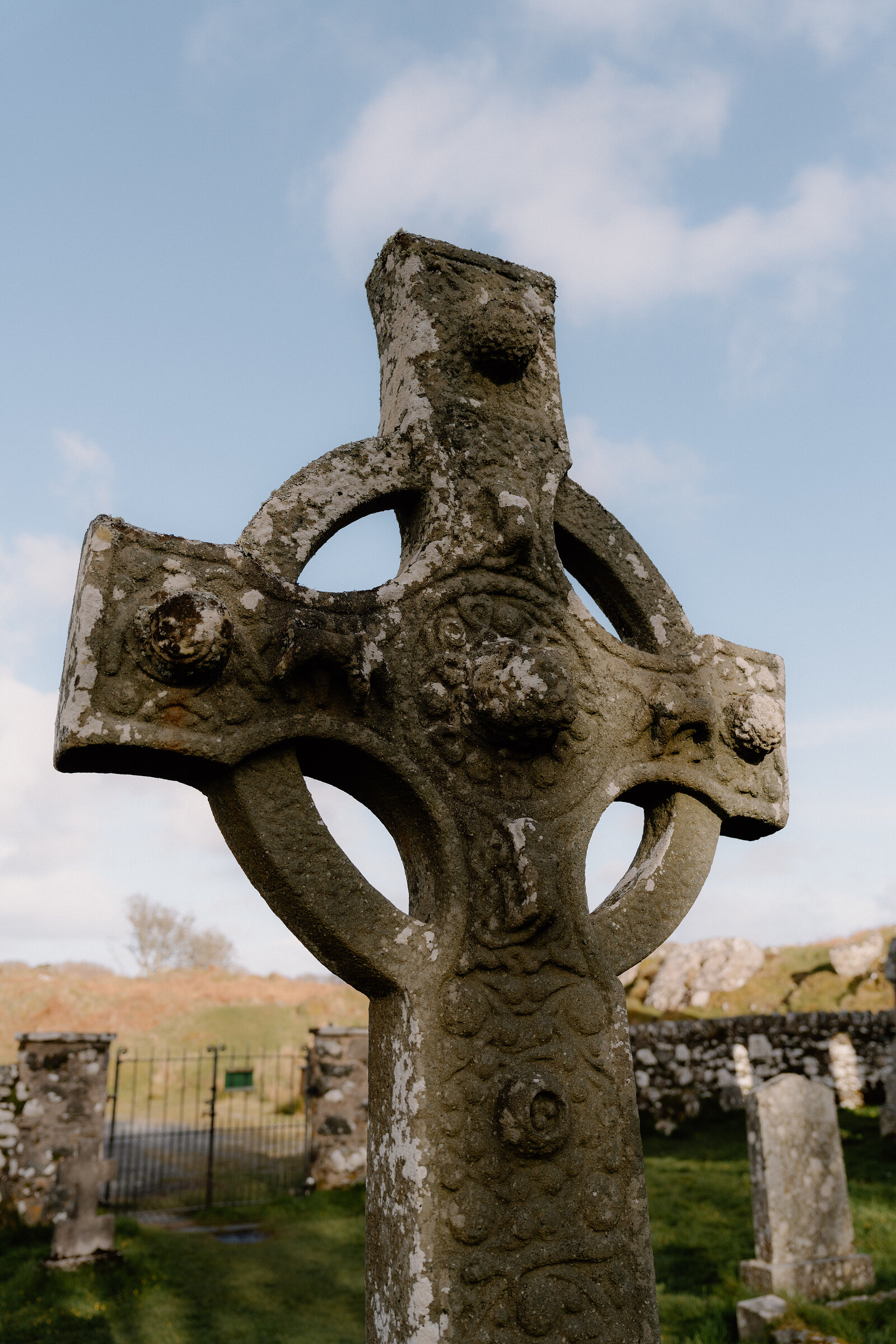
It was carved in the 700s and still stands where it was first raised more than 1,200 years ago, one of very few early Christian crosses left in their original place. It is a ring-headed high cross, 2.65 metres tall, cut from grey-green chlorite schist, a stone so hard it must have been difficult to work, which is why its carving is still so crisp.
One face carries roundels of snake-and-boss work and four lions; the other has spirals, what seem to be peacocks feeding on grapes, the Virgin and Child on the head, and on the arms Cain slaying Abel and Abraham about to sacrifice Isaac. The chapel beside it was built some time after 1200 and was out of use by 1700. The site is open all year.
The cross is west of Ardmore in the south-east of Islay, on the single-track road that runs on along the coast past Ardbeg, about six kilometres beyond the distillery.
It is cared for by Historic Environment Scotland, free and open all year.
The cross has stood in the same spot for more than 1,200 years, which makes it one of very few early Christian crosses still in their first place.
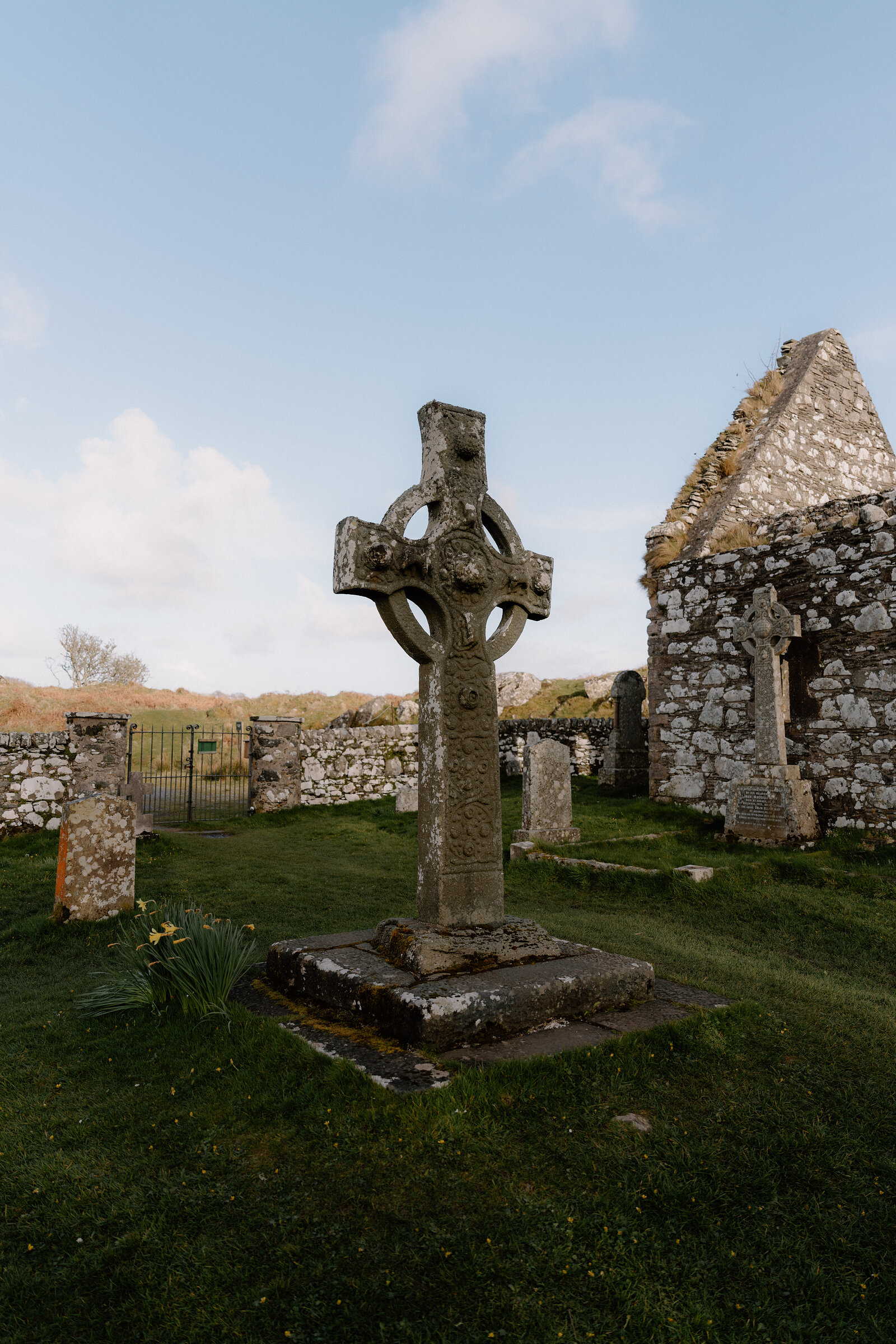
On the east face, what seem to be peacocks feeding on grapes match a detail in the Book of Kells, the gospel book made on Iona.
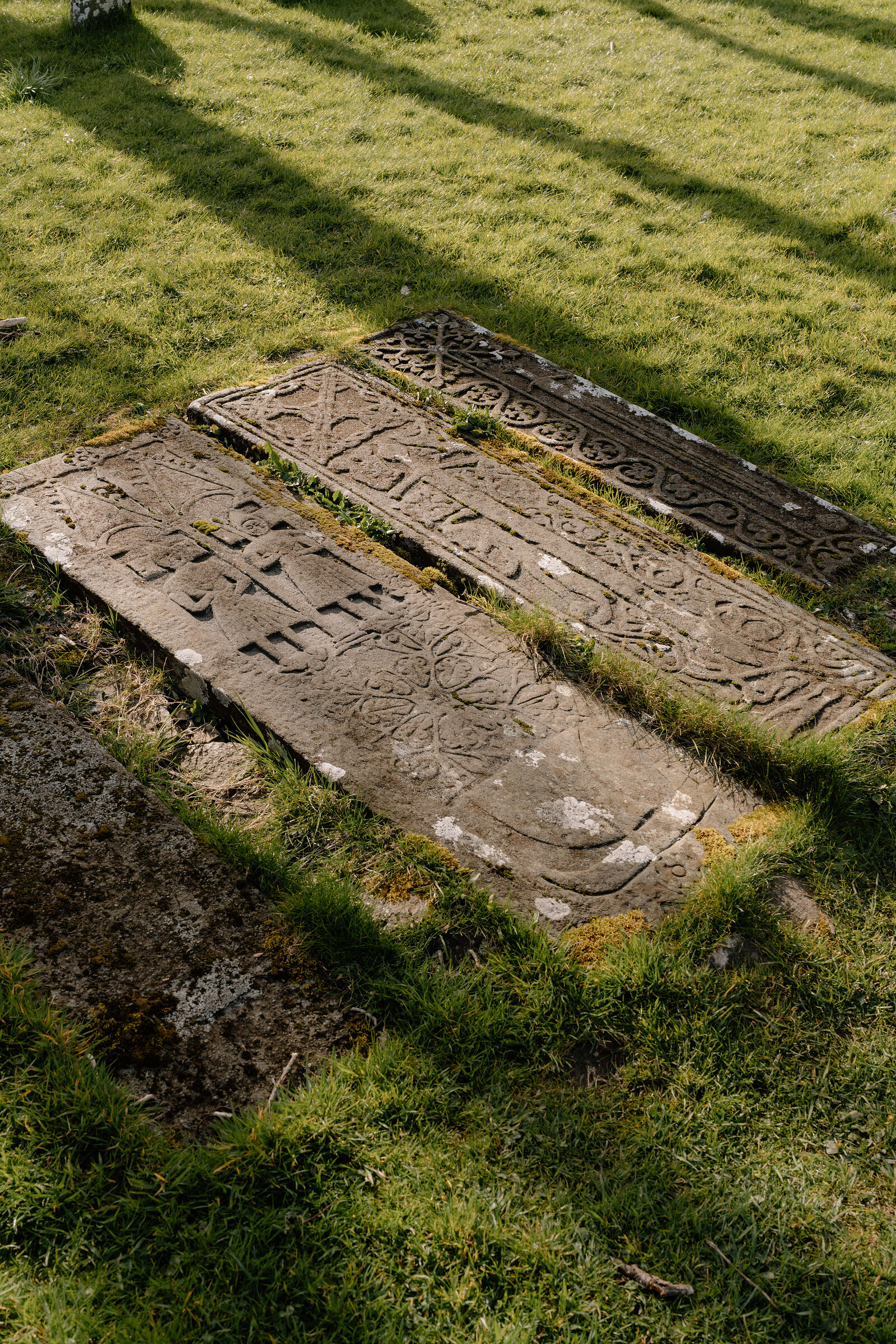
Repairs to the foundations in the 1800s found signs of an earlier cross-slab on the spot, and human bones beneath the cross.
Early Christian carved stones from this graveyard are on show in the Museum of Islay Life at Port Charlotte.
New places, news and stories, as we find them.
What is on on IslayWest of Ardmore, south-east Islay, PA42 7EE.
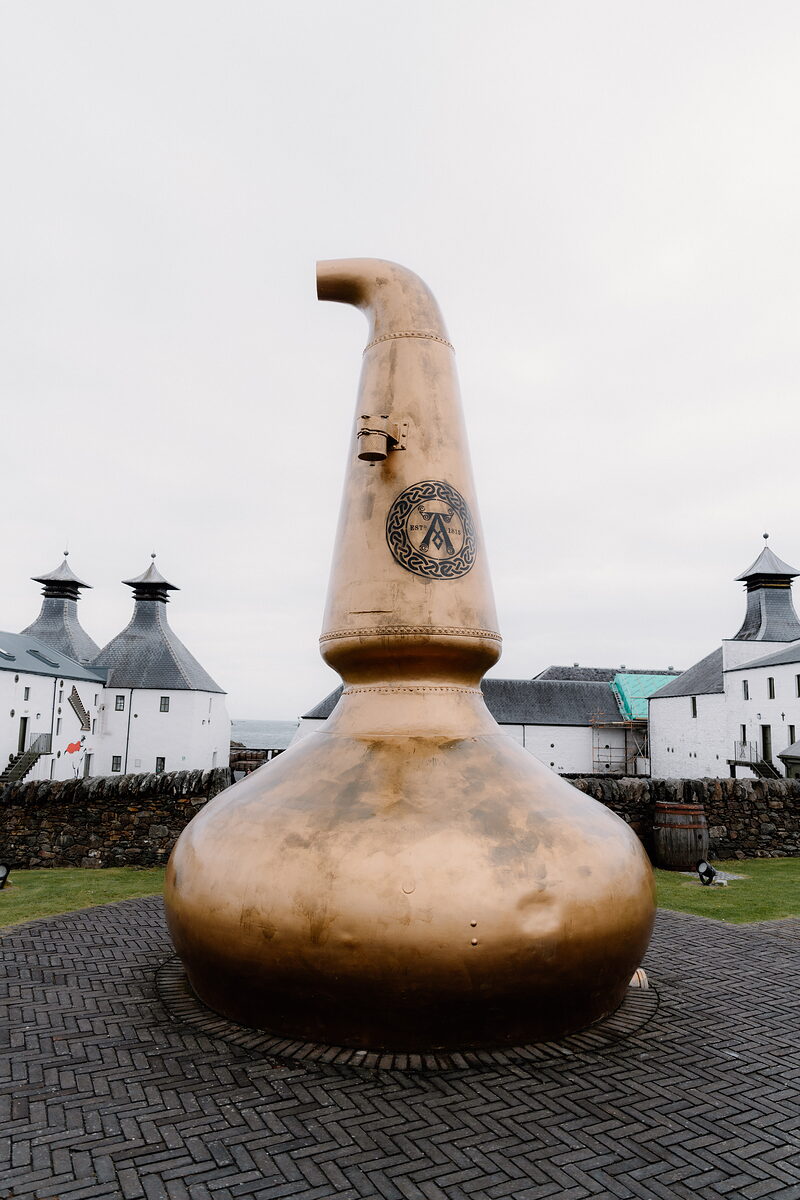 Ardbeg DistilleryThe peated malt distillery on its own small bay east of Port Ellen, making whisky since 1815.4 miles11 min by road
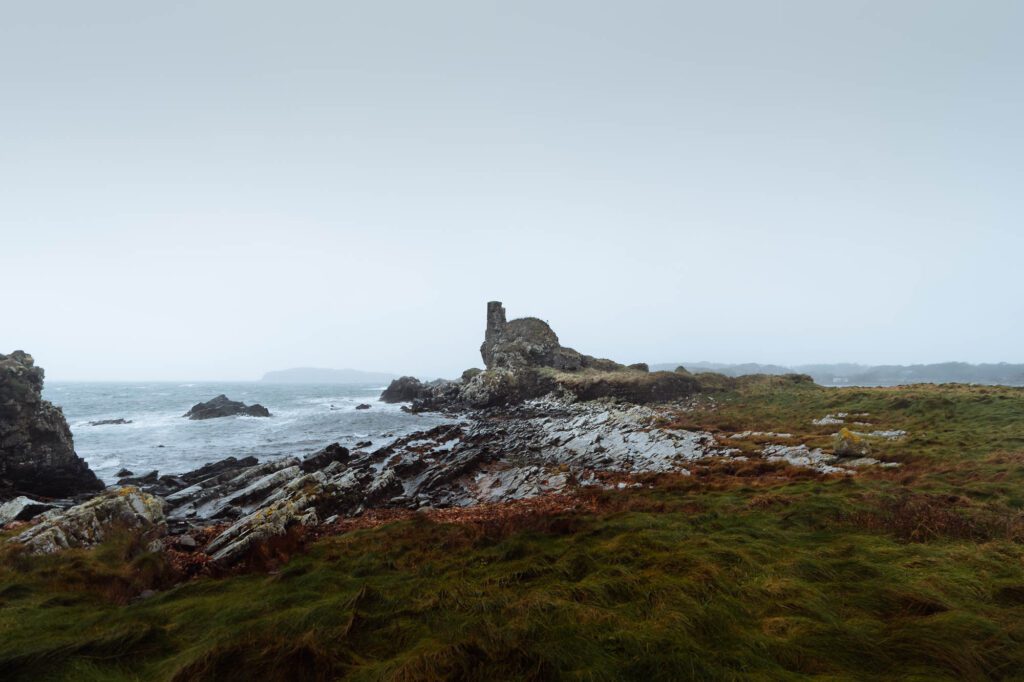 Dunyvaig CastleThe ruined sea fortress of the Lords of the Isles on a rocky point in Lagavulin Bay.5 miles13 min by road
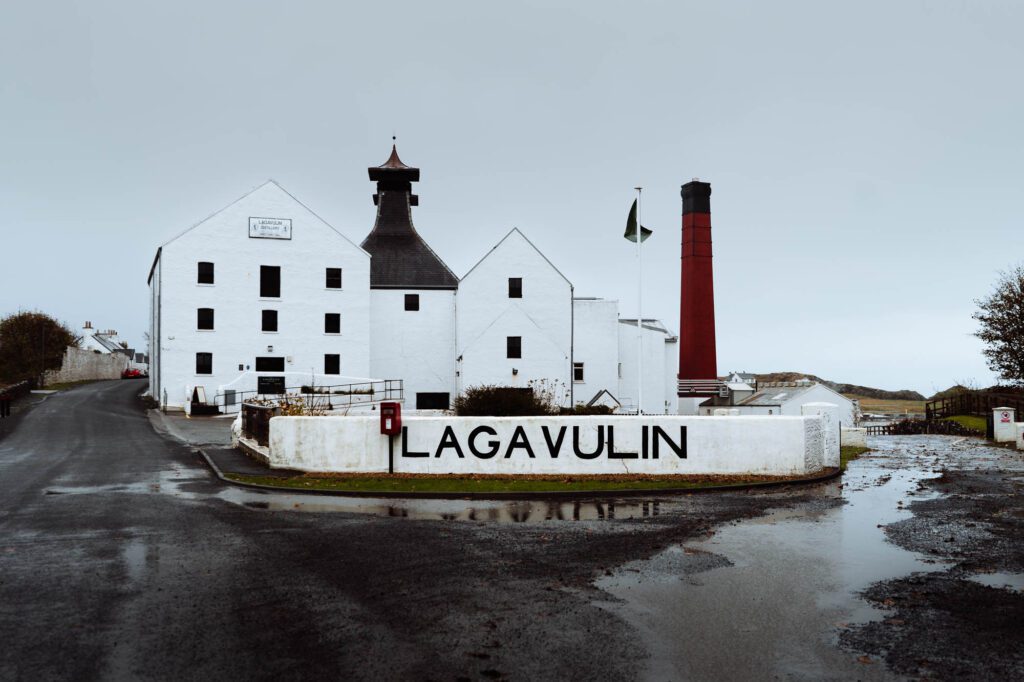 Lagavulin DistilleryThe distillery of 1816 on Lagavulin Bay, beside the ruins of Dunyvaig Castle, making deeply peated malt.5 miles12 min by road
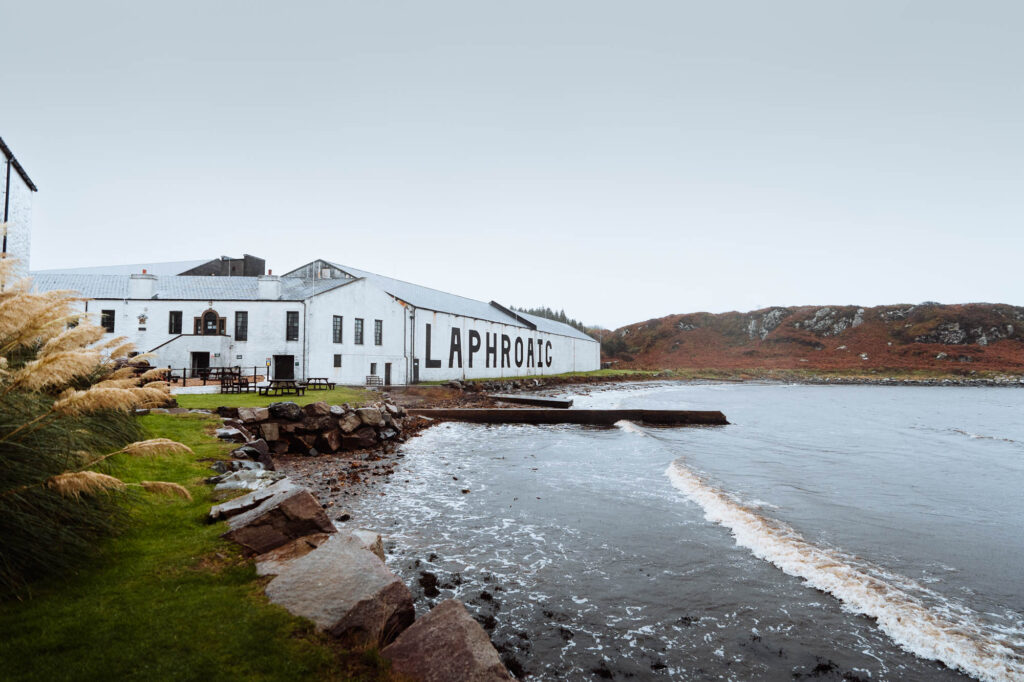 Laphroaig DistilleryThe Kildalton distillery of 1815 on a rocky bay east of Port Ellen, with its own malting floor.6 miles15 min by road
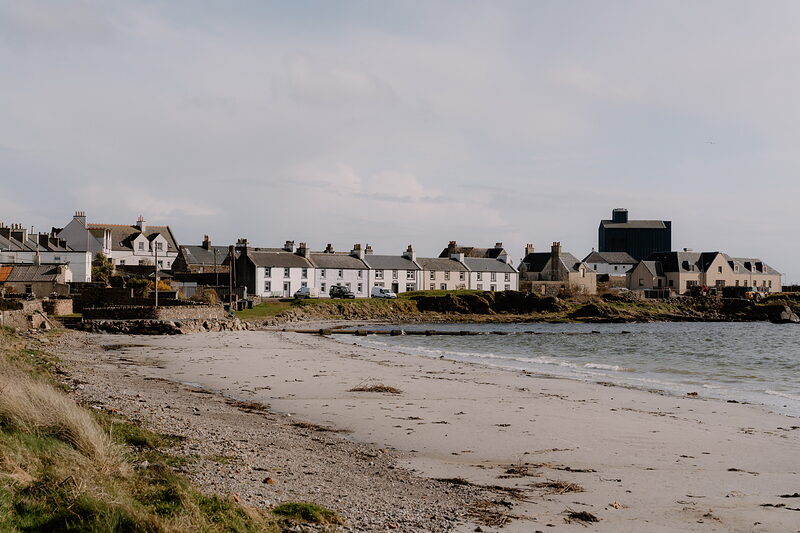 Port EllenA white ferry village in the south of Islay, founded in 1821, with three famous distilleries along the road east.8 miles17 min by road
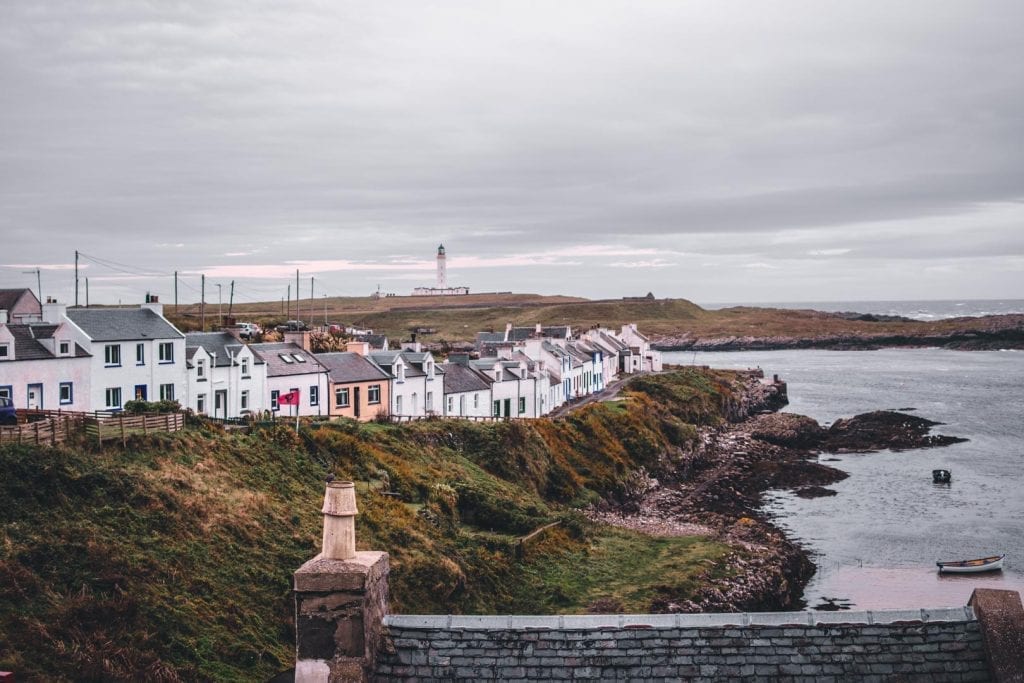 Isle of Islay (pronounced Eye-la)The most southerly of the Hebrides, famous for its whisky, with white villages, great beaches and the Lords of the Isles.8 miles16 min by road
Every photograph commissioned, every word written by somebody who went. Printed twice a year, made in Scotland.
For further reading, before you go.