
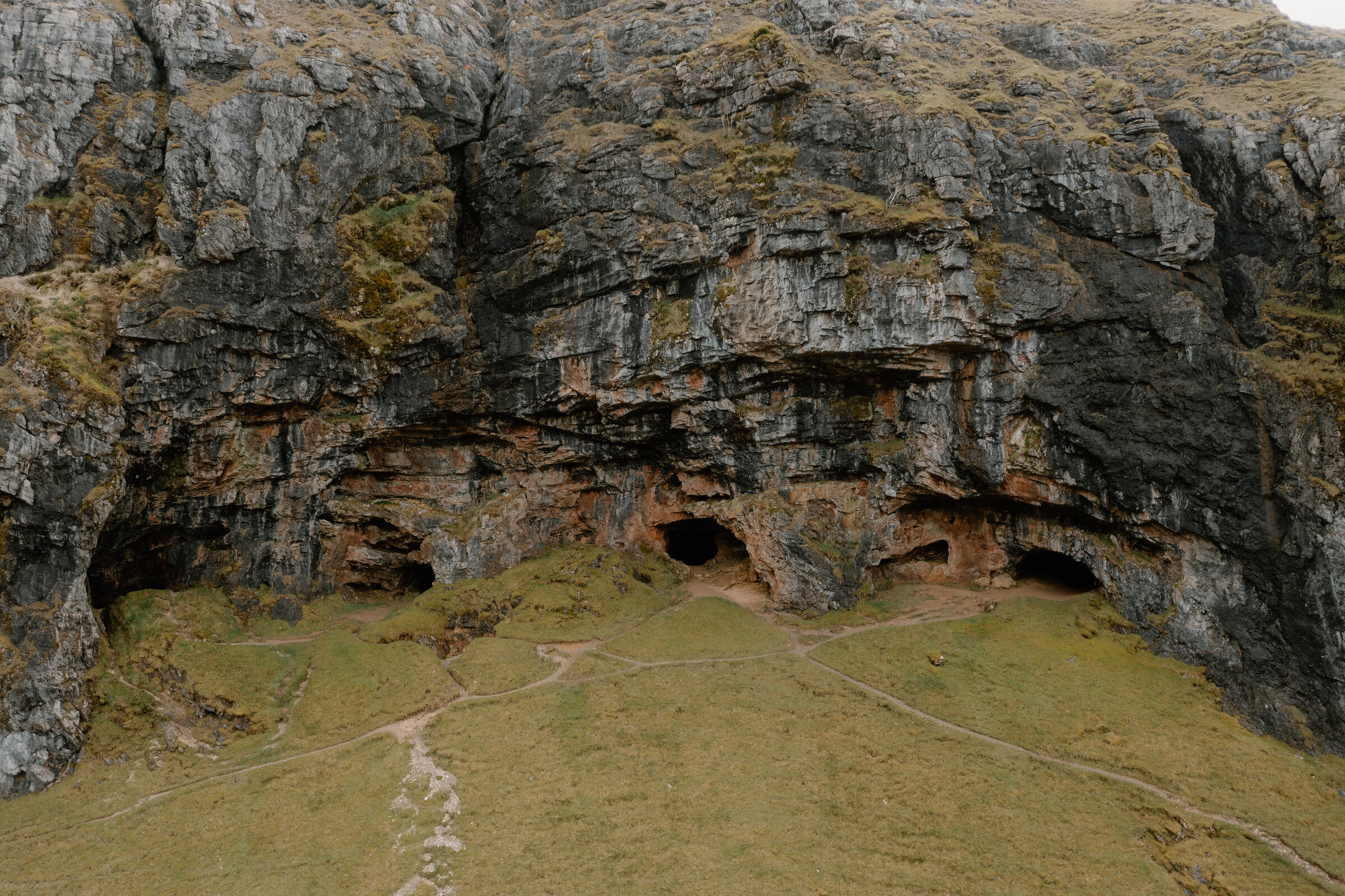
The Bone Caves – Up a Limestone Glen in Assynt
About 2.5 miles on foot.
High in a limestone cliff above a quiet Assynt glen are four cave mouths where Victorian geologists dug up the bones of reindeer, lynx, brown bear and arctic fox.
The walk up to them is about 4 km there and back, on a good path beside a burn, or stream, that vanishes underground and comes back again. Give it a morning, and bring boots and something warm.
- Time
- About two hours: around 4 km (2.5 miles) there and back, mostly on a good path, with a steep, narrow climb at the end.
- The path
- A rough hill path, steep and narrow below the caves. Not for a pushchair.
- Where to start
- The Bone Caves car park beside the A837, south of Inchnadamph. No charge.
- Set off
- From November to January, set off by 12.30pm to be down before dusk.
- When to go
- All year in daylight, best on a dry day. From November to January set off by 12.30pm.
- Dogs
- On a lead: this is deer country.
- Children
- Fine for children who are steady on their feet. Keep hold of small ones on the last steep slope.
- Toilets
- None at the car park or on the walk.
- Before you set out
- The last climb to the caves crosses a steep slope. Deer stalking goes on in the hills around until mid February: keep to the path.
The walk
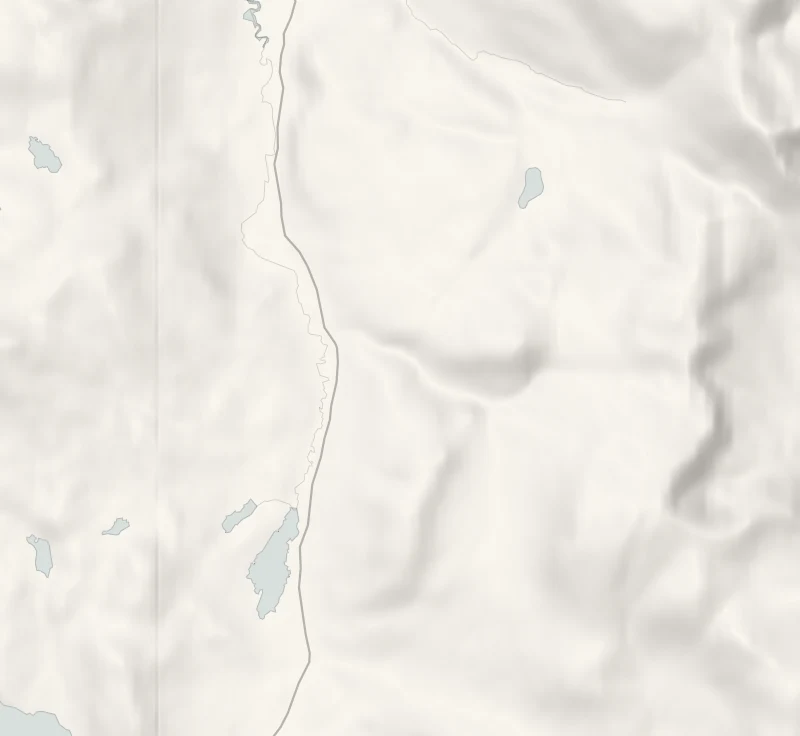
Park in the Bone Caves car park beside the A837, a few miles south of Inchnadamph, where there's no charge. There are no toilets here or on the walk. Discover Assynt, the community's own guide, gives the whole walk as about 4 km, mostly on a good path, and two hours is a comfortable allowance. The glen is the Allt nan Uamh, the burn of the caves, and it's limestone country, so the water has a habit of sinking out of sight and springing up again further down.
The caves sit in a line along the foot of a tall crag, high above the valley floor. The geologists Peach and Horne dug here in 1889 and found the remains of lynx, reindeer, brown bear, arctic fox and lemming, animals that lived in these hills thousands of years ago. The cave mouths are shallow enough to step into and look out from, and the view down the glen from their doorways is the reward. The last climb crosses a steep, narrow slope, and Discover Assynt asks walkers to take care on it.
It's a walk for families with children who are steady on their feet, but not for a pushchair. Keep dogs on a lead, as this is deer country, and keep to the path while stalking is going on in the hills around, which can be any time up to the middle of February. The glen loses the light early in winter: from November to January, set off by 12.30pm.
If it rains
There's no shelter in the glen until the caves themselves, and the last slope is slippery when wet. In steady rain or low cloud, keep it for a better day.
Before you go
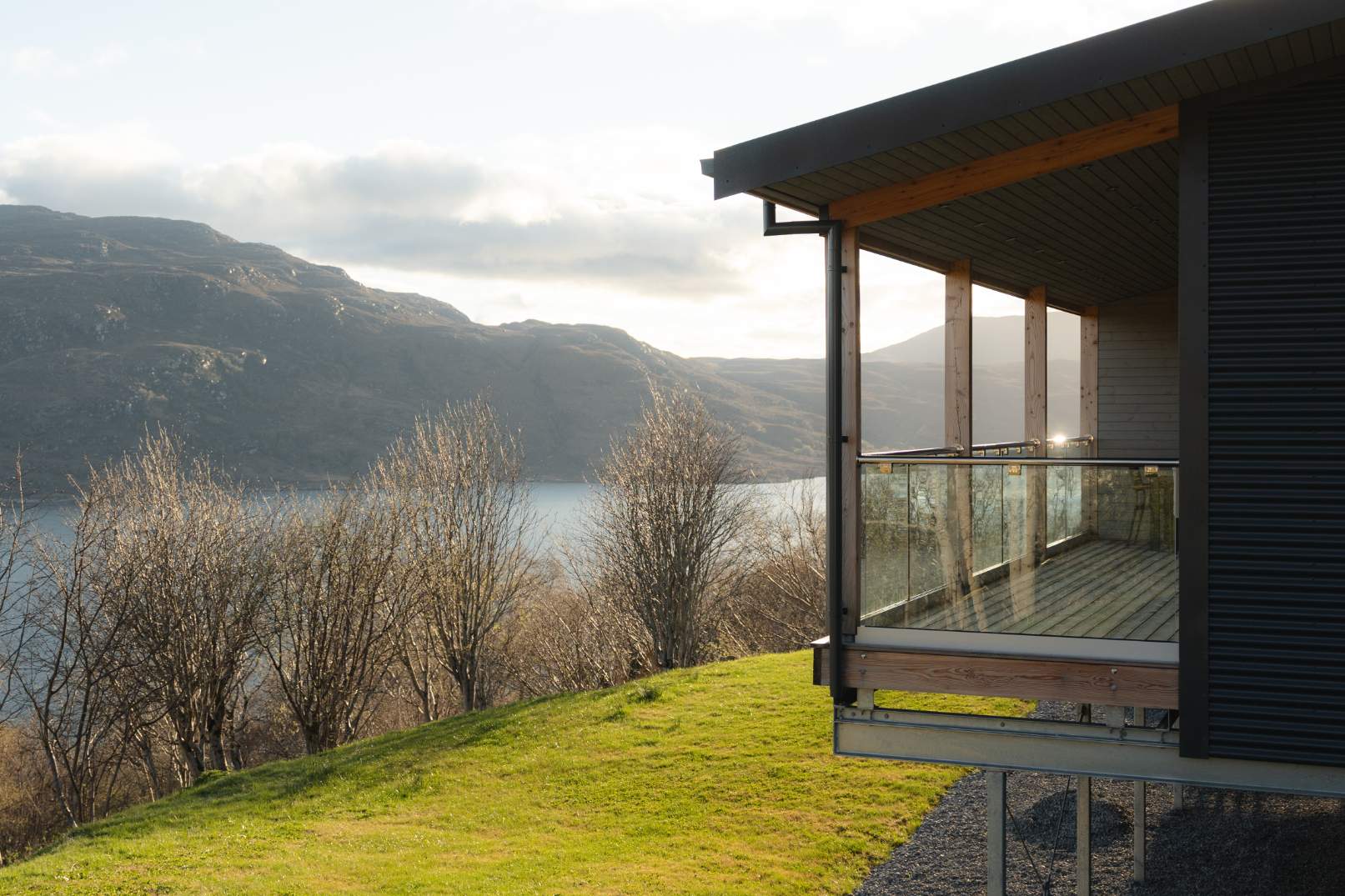
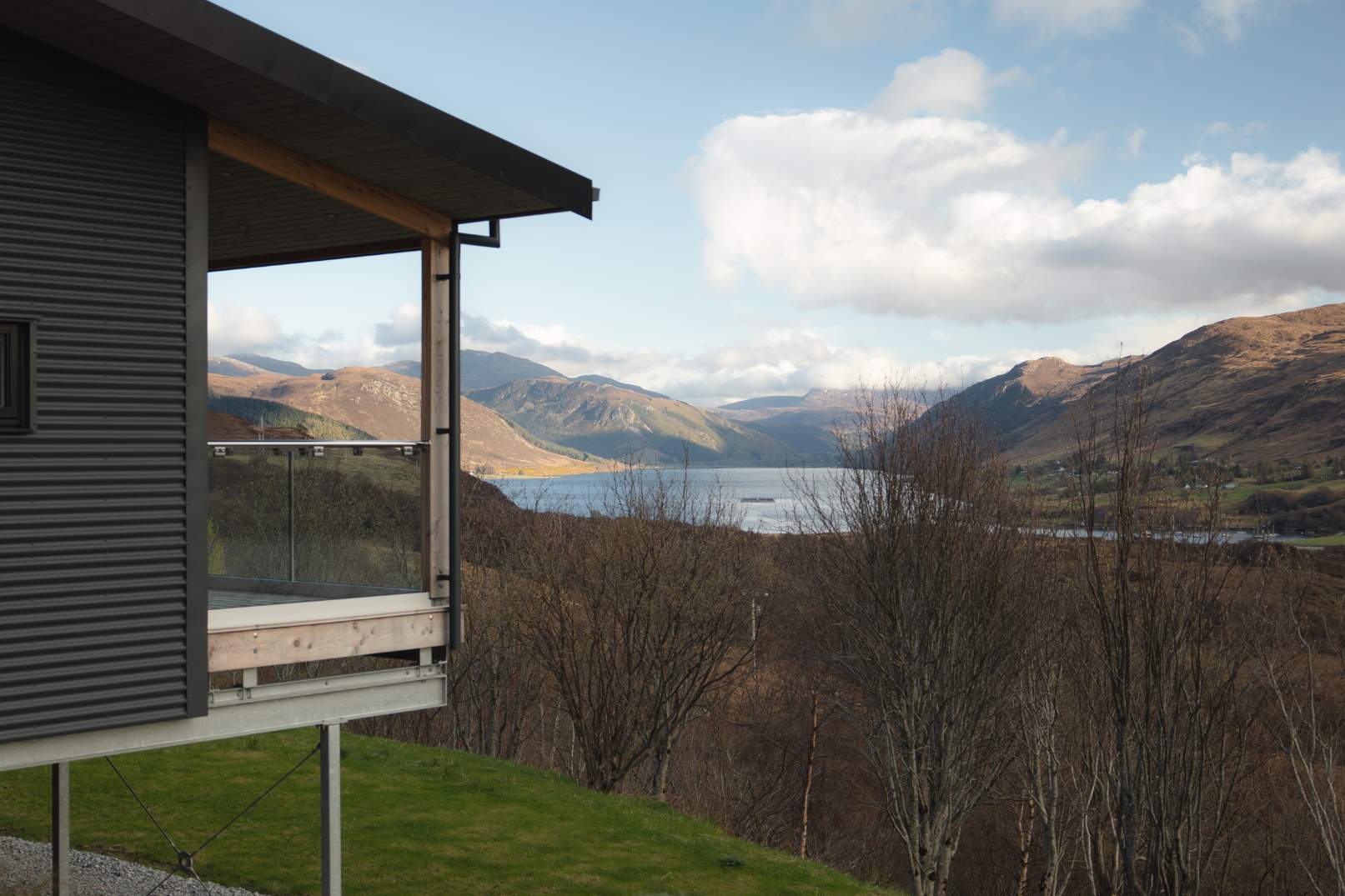
Book accommodation nearby
If you are staying over: here are ours nearest where the day starts and ends.
For further reading, before you go.