A Day Uncovering Neolithic Orkney

Written by Graeme Johncock
If you’re interested in ancient history, there’s nowhere quite like Orkney. This archipelago off the north coast of mainland Scotland is packed with so many well-preserved neolithic sites that it’s earned UNESCO World Heritage status. These are more than just rocks too, they’re packed with stories that make them come alive and you can get round lots of them in just one day!
Skara Brae
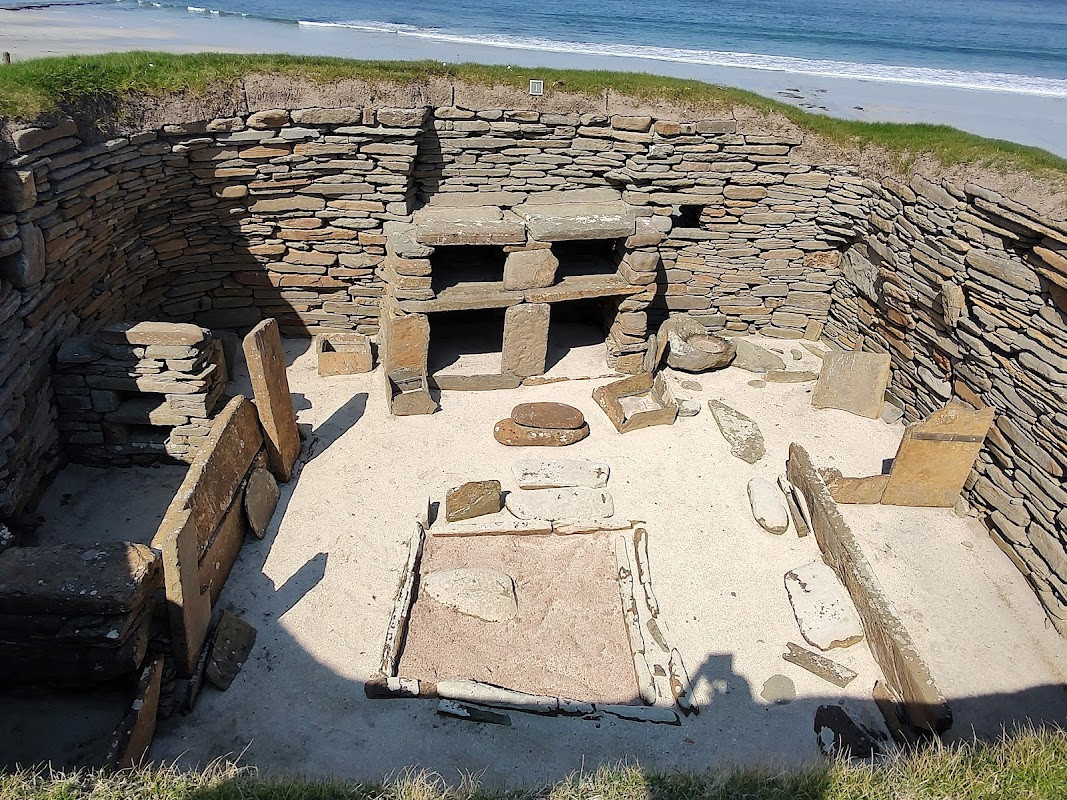
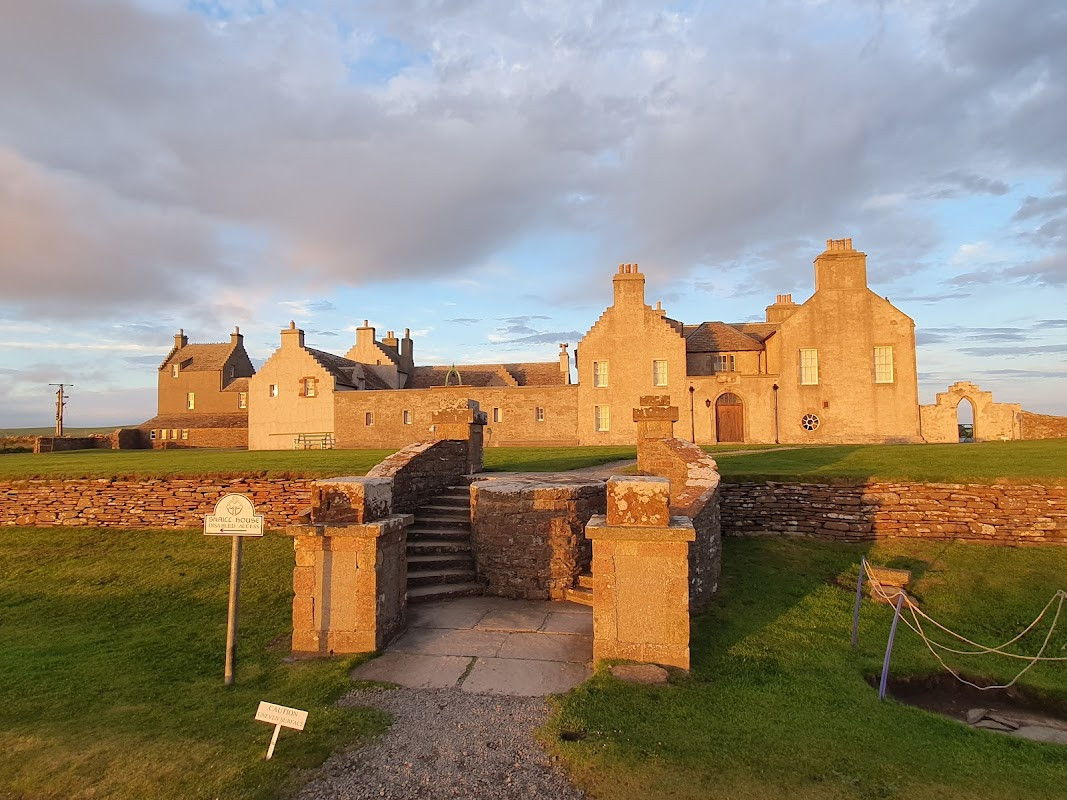
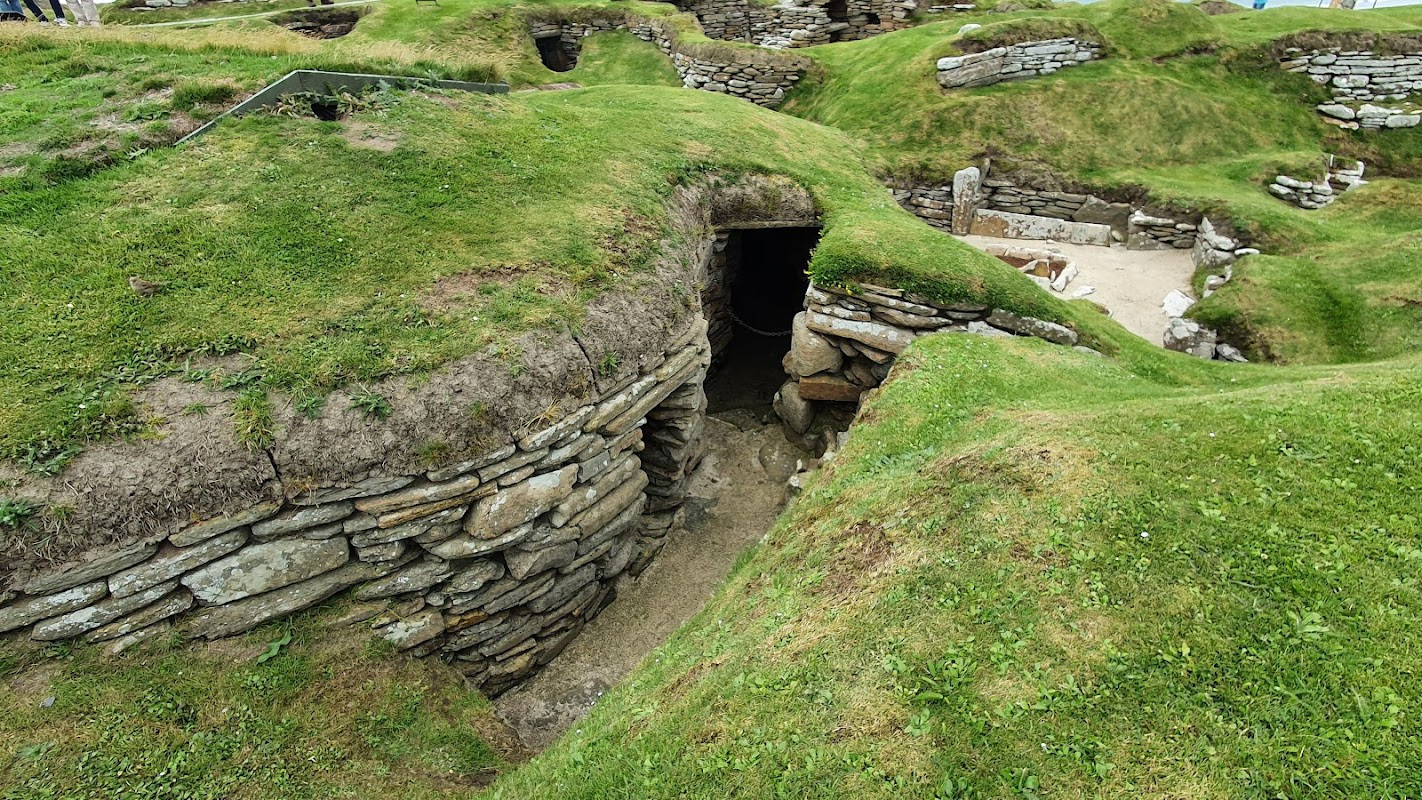
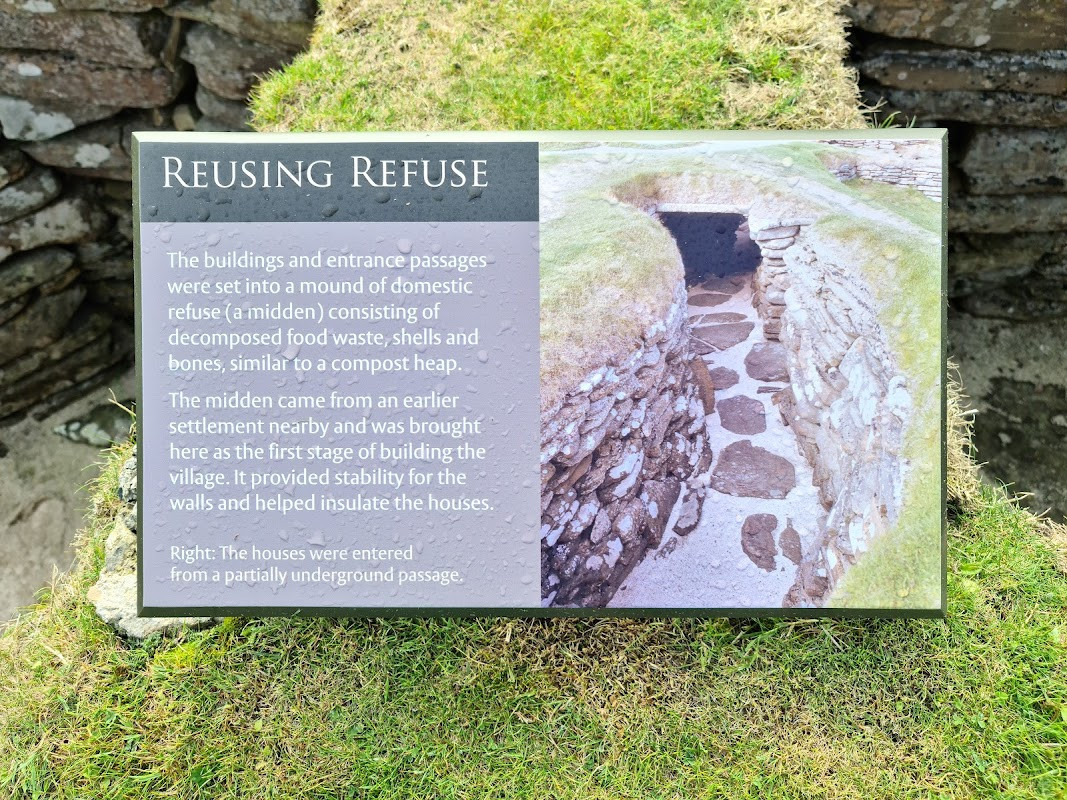
Undoubtedly the busiest attraction in Orkney, I’d always recommend visiting Skara Brae first thing to try and avoid some crowds. This 5,000- year-old village lay buried under sand and turf until it miraculously appeared after a storm in 1850. Strange looking stacked stones were revealed and as archaeologists got to...
Ring of Brodgar
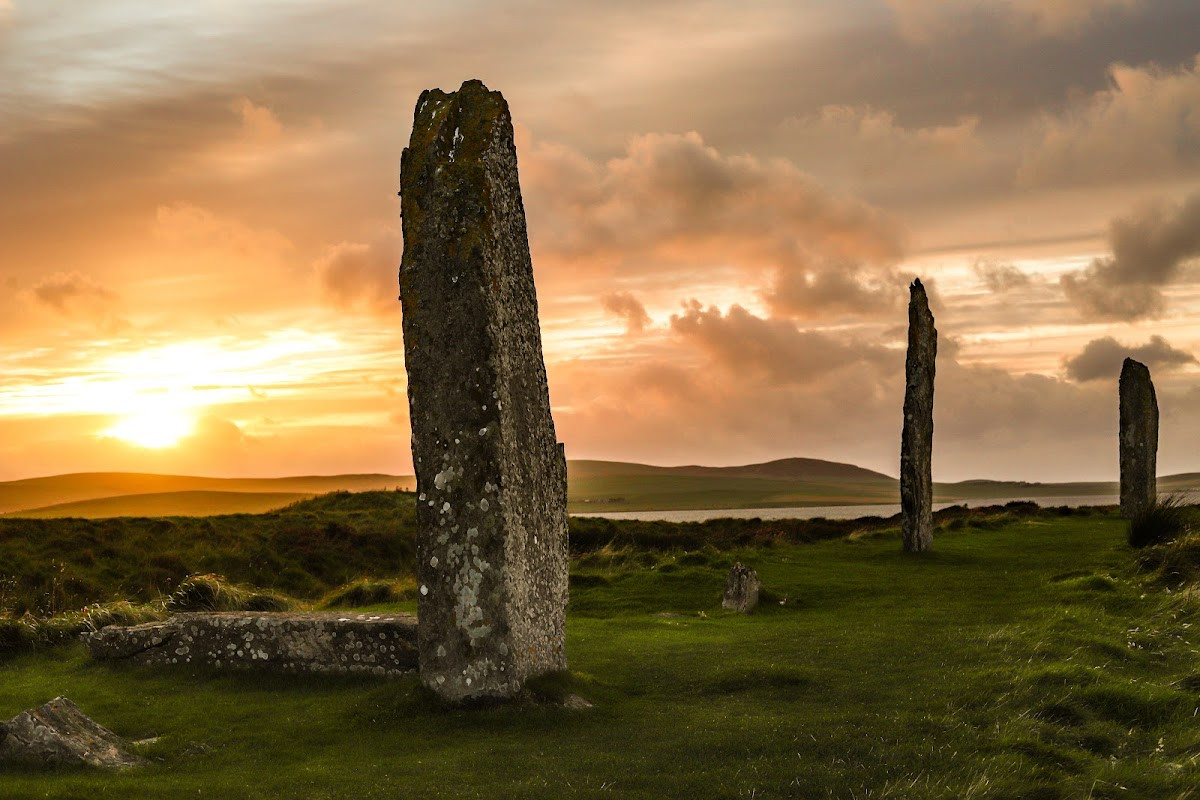
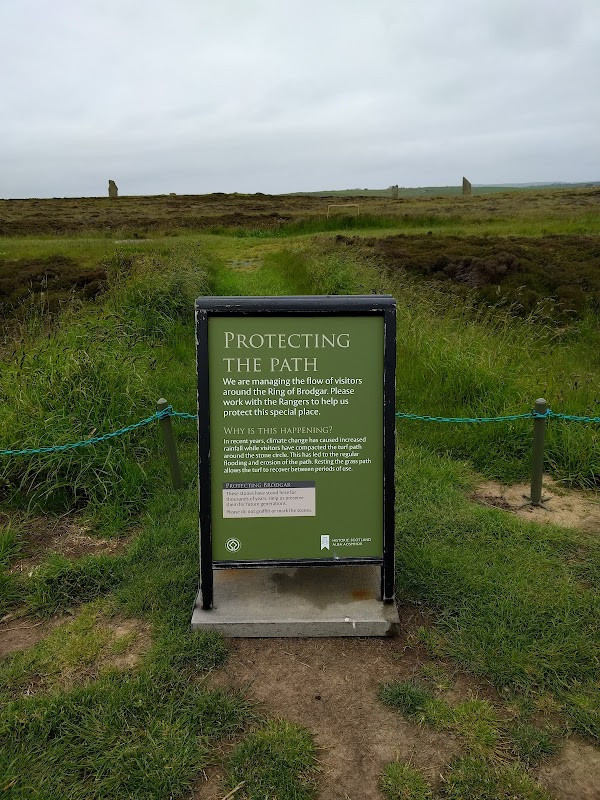
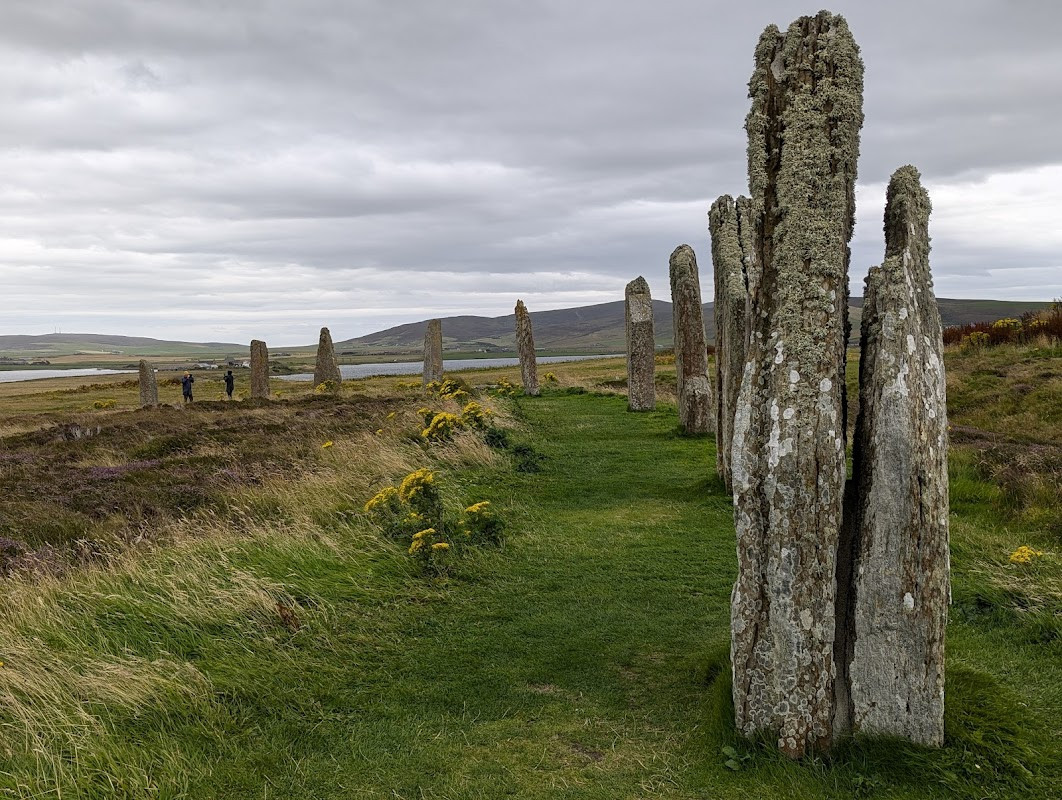
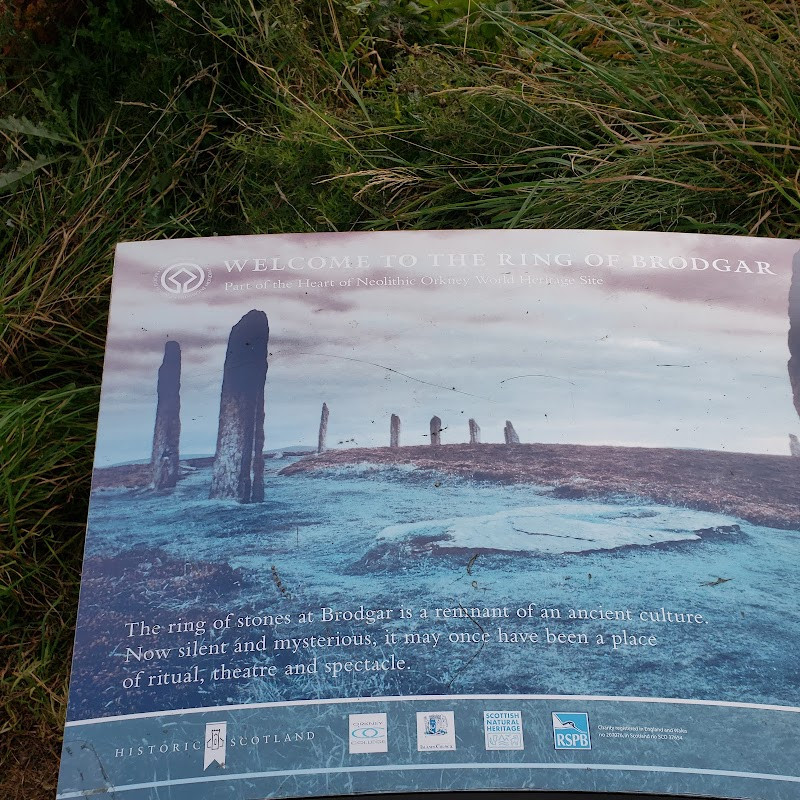
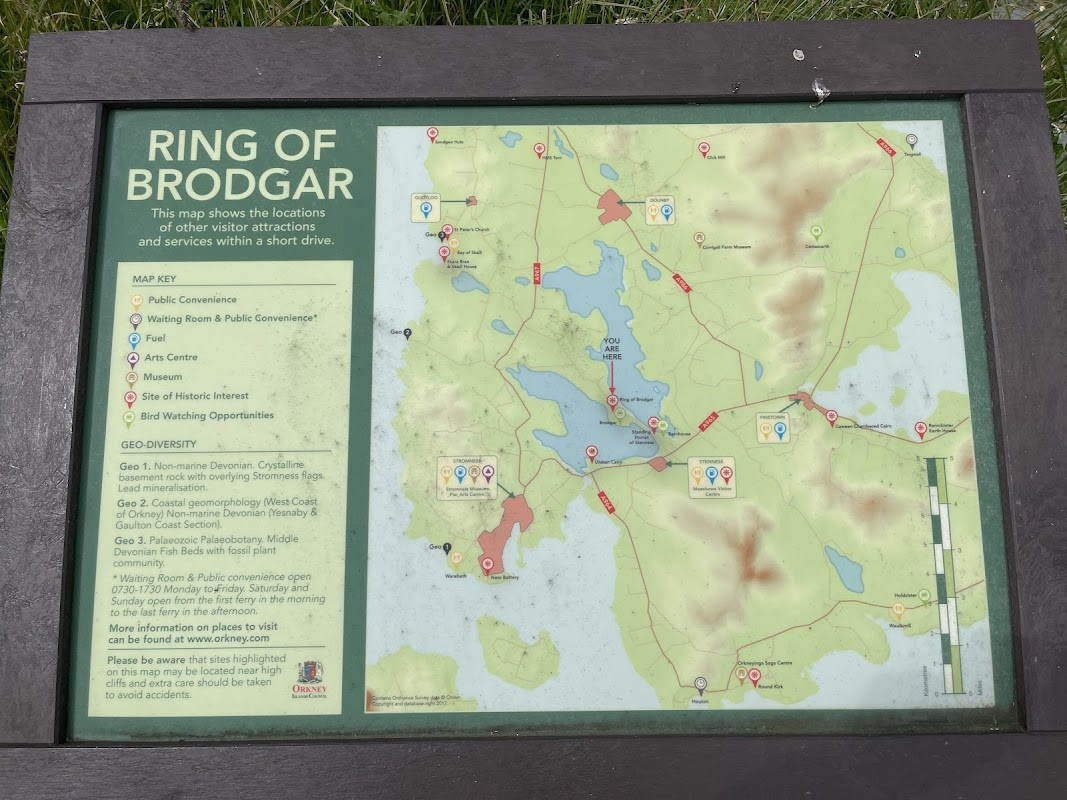
Heading inland, it’s not long until you reach the Ring of Brodgar, a dramatic circle of standing stones set in a natural amphitheatre between the loch of Harray and Stenness. Dating back to around 2600BC, it may have been built by the same people who lived in Skara Brae! It’s...
Standing Stones of Stenness
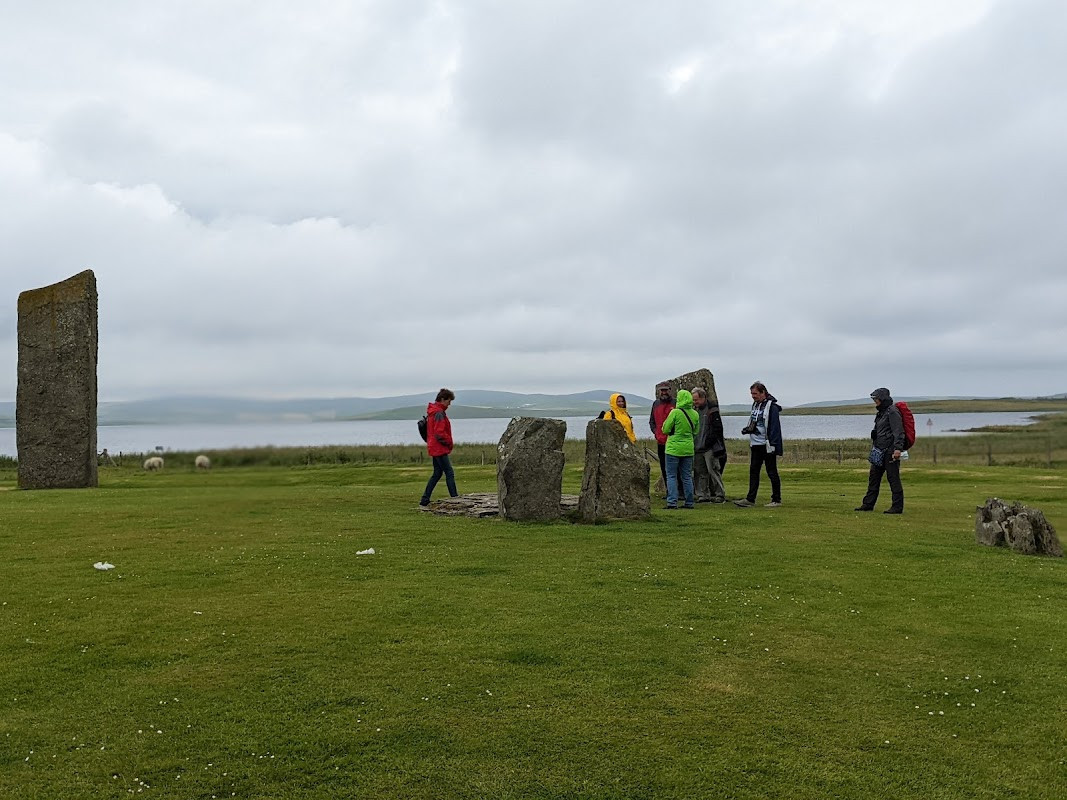
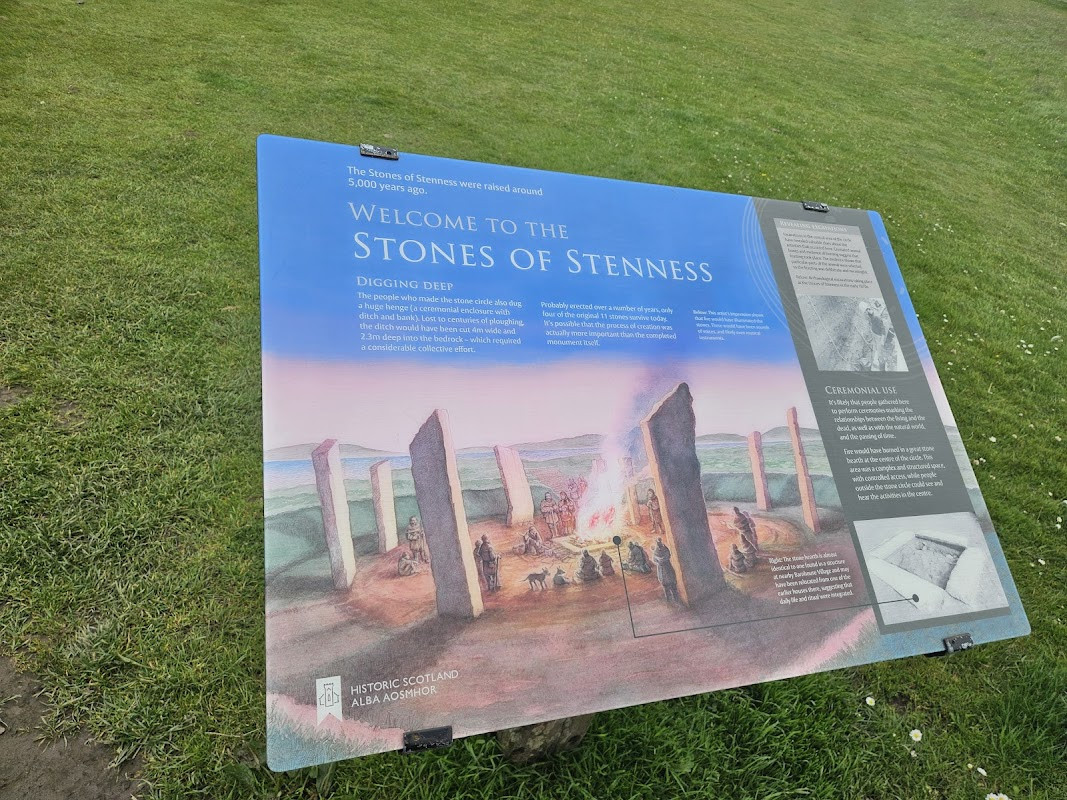
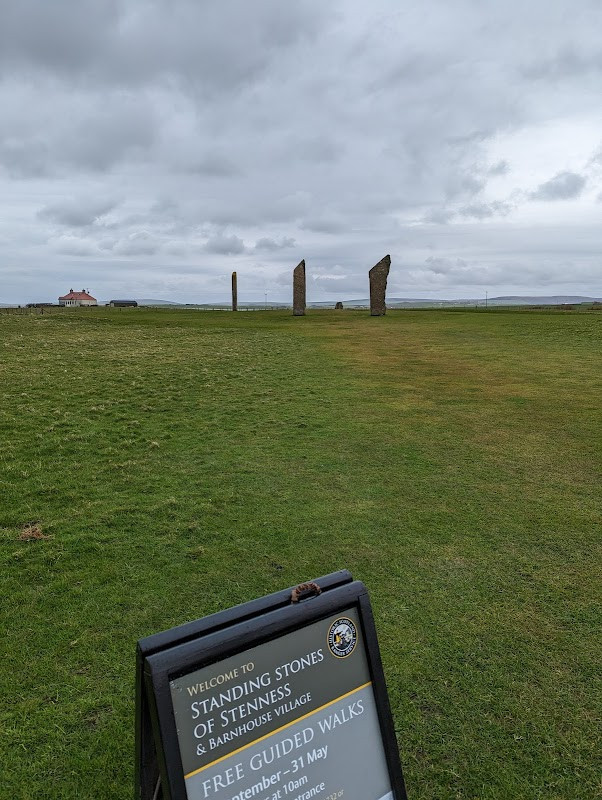
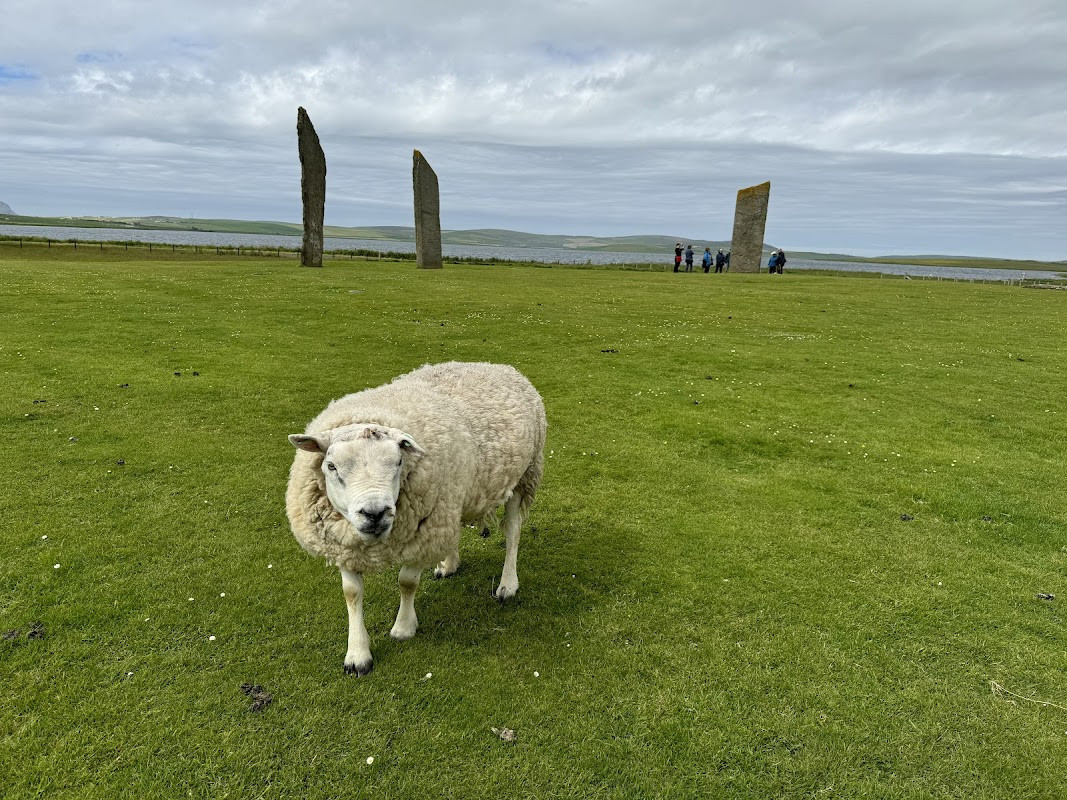
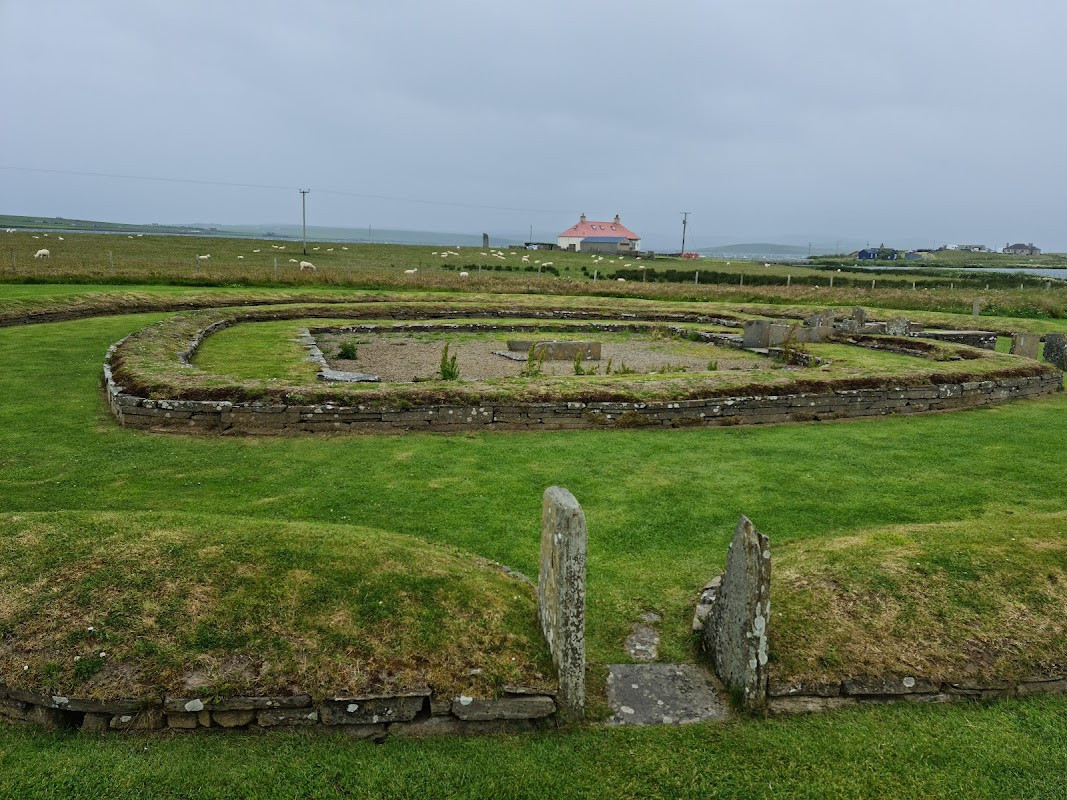
Just across a causeway, you'll find the Standing Stones of Stenness, believed to be the oldest stone circle anywhere in Britain. It adds more weight to the theory that whatever culture raised these monumental structures began here in Orkney, before spreading along the length and breadth of the British Isles....
Lunch at Julia’s Café Bistro
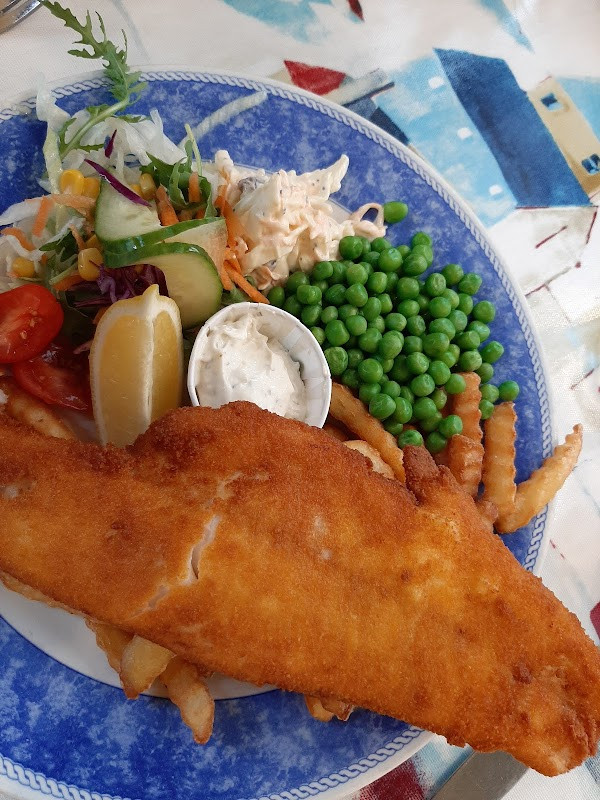
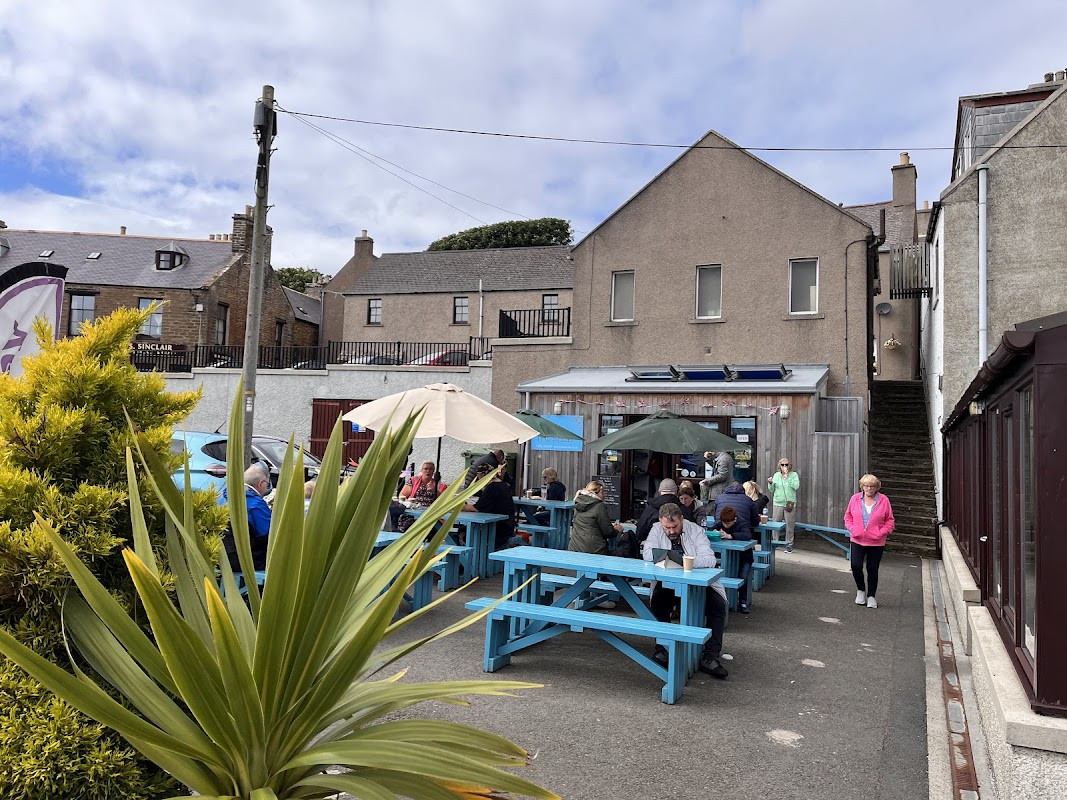
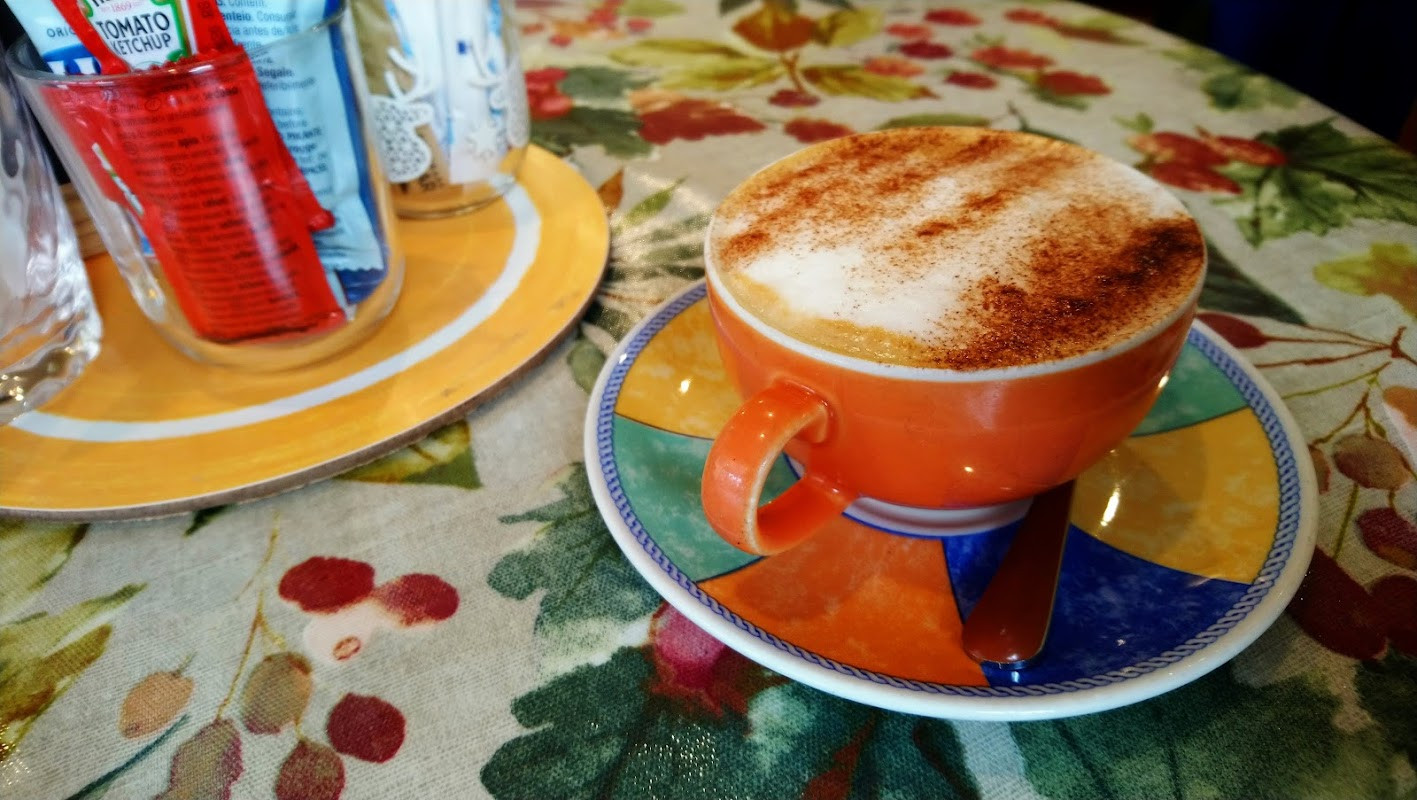
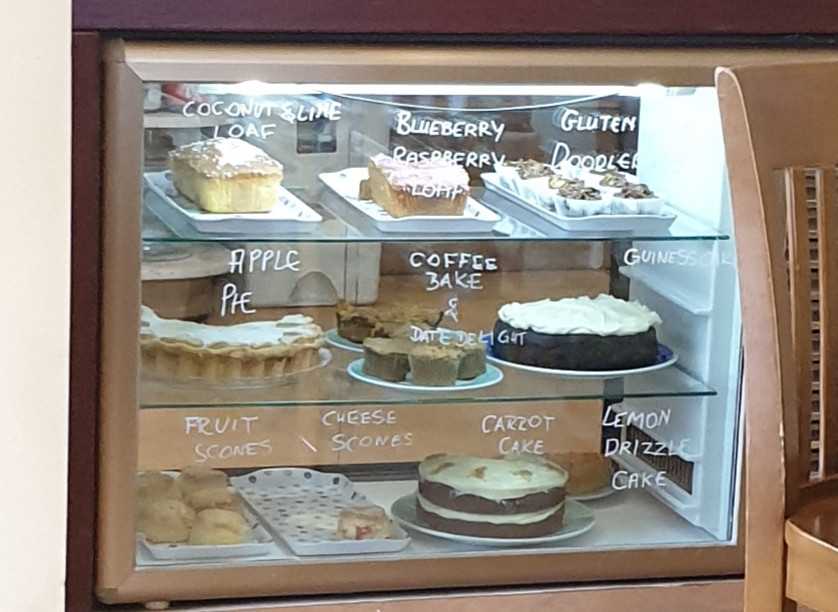
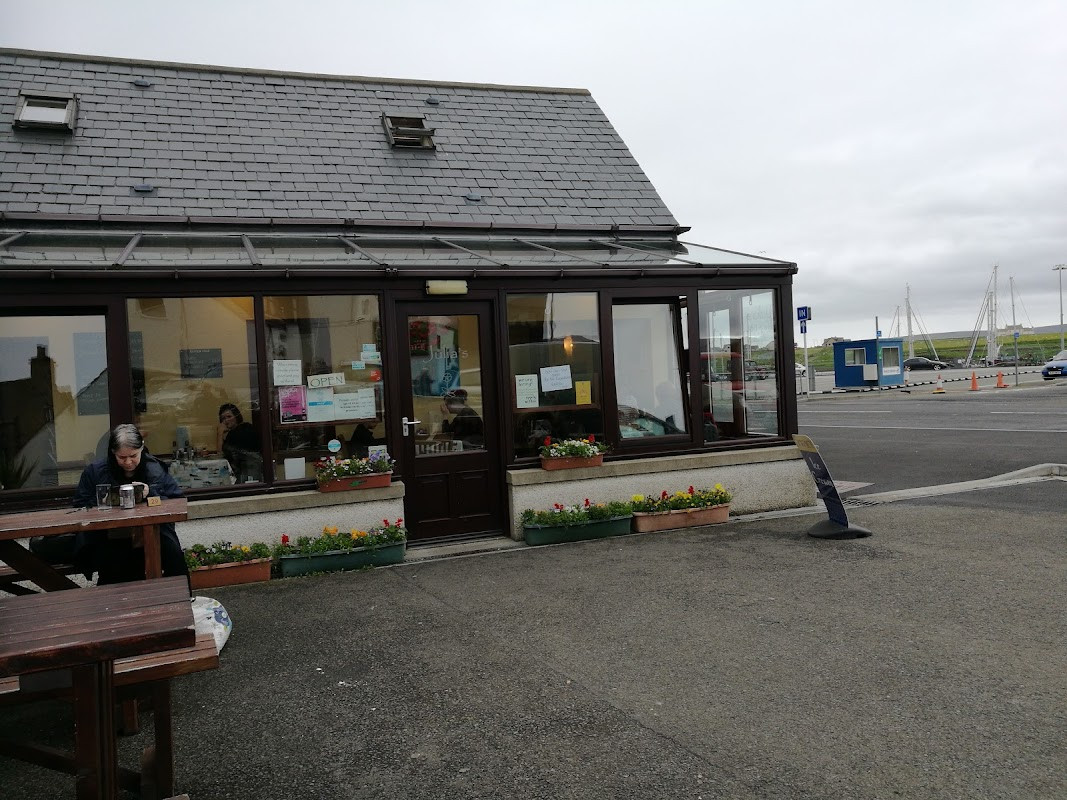
Take a trip to Stromness for a delicious lunch at Julia’s Café Bistro. I always try and pick up some local seafood when I’m there, but if that’s not your taste, then you can’t go wrong with anything that uses Orkney cheese! Either eat in, or takeaway and enjoy a...
Unstan Cairn
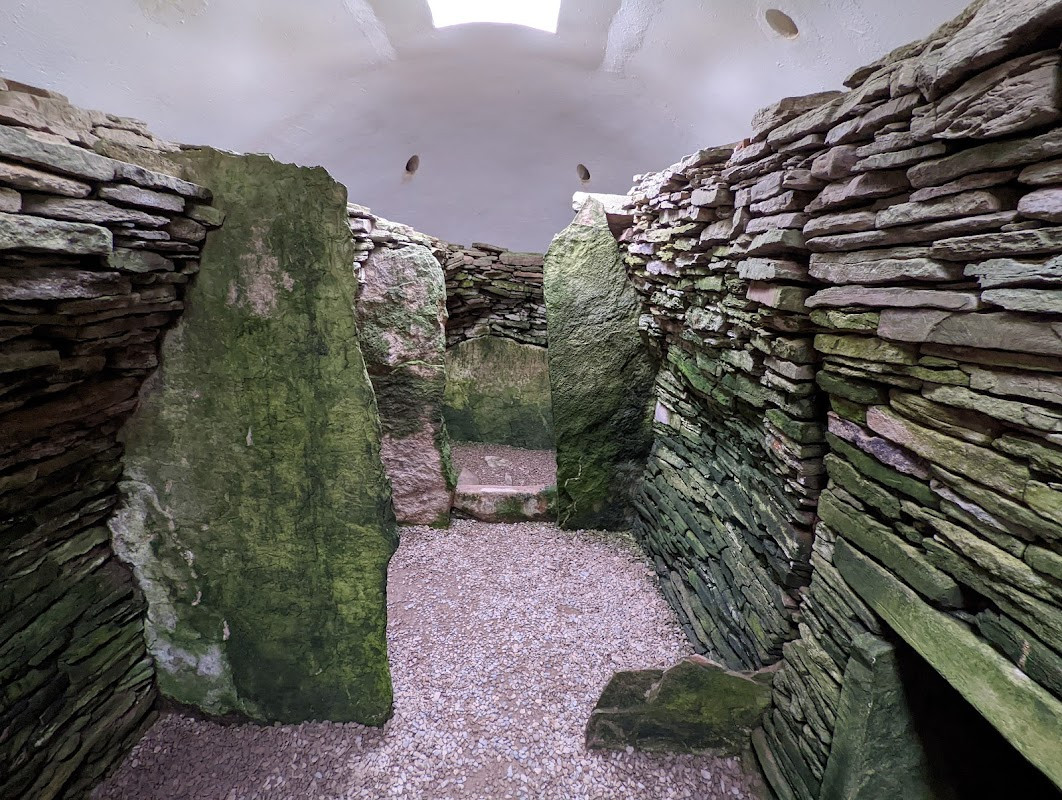
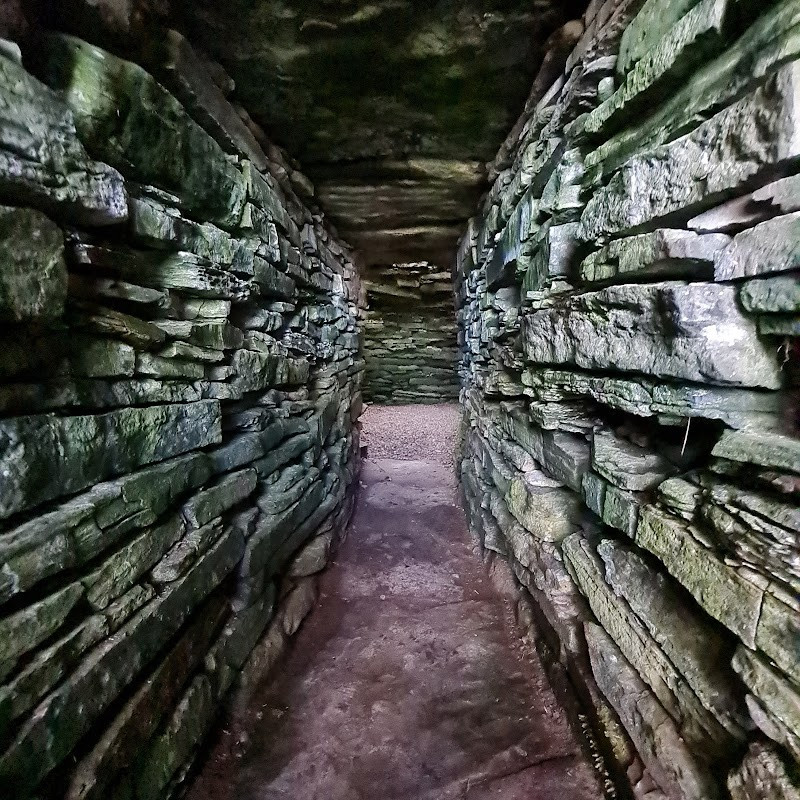
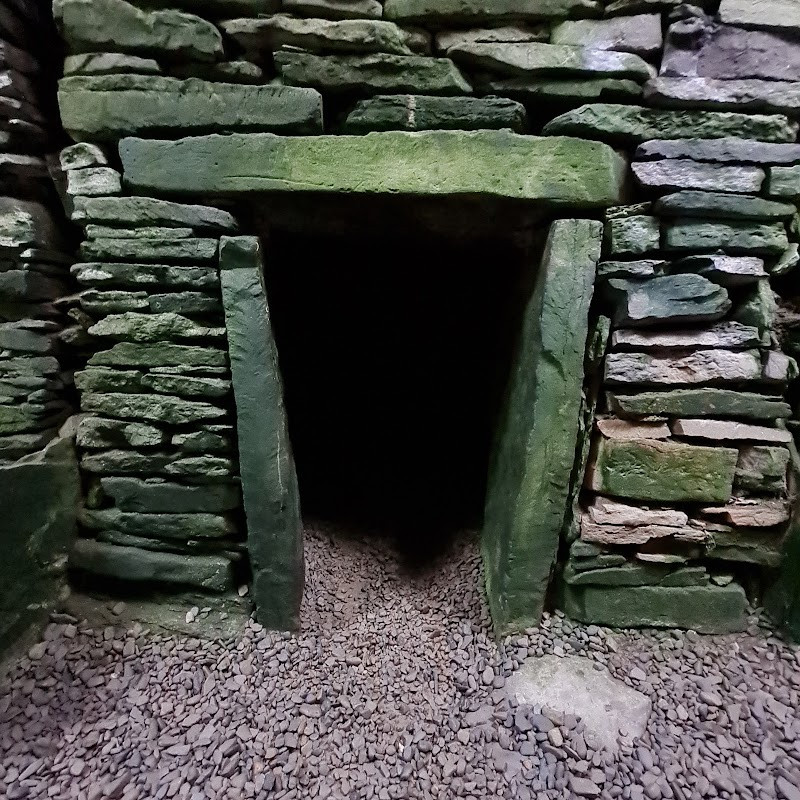
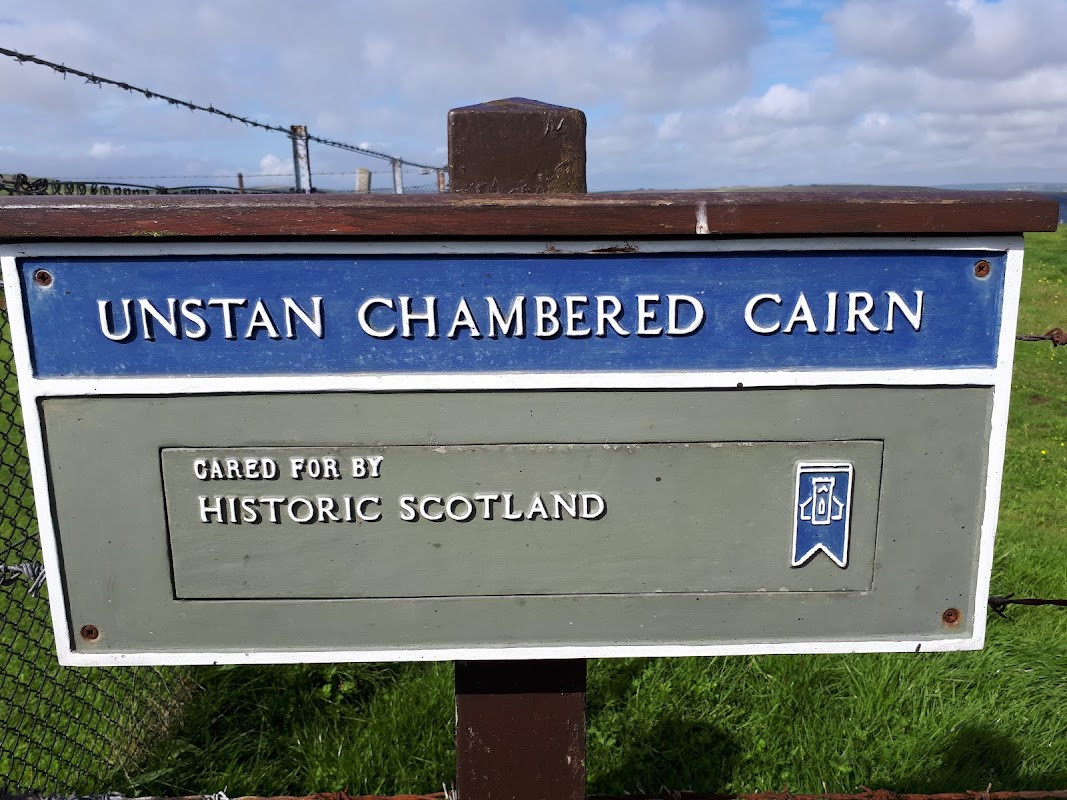
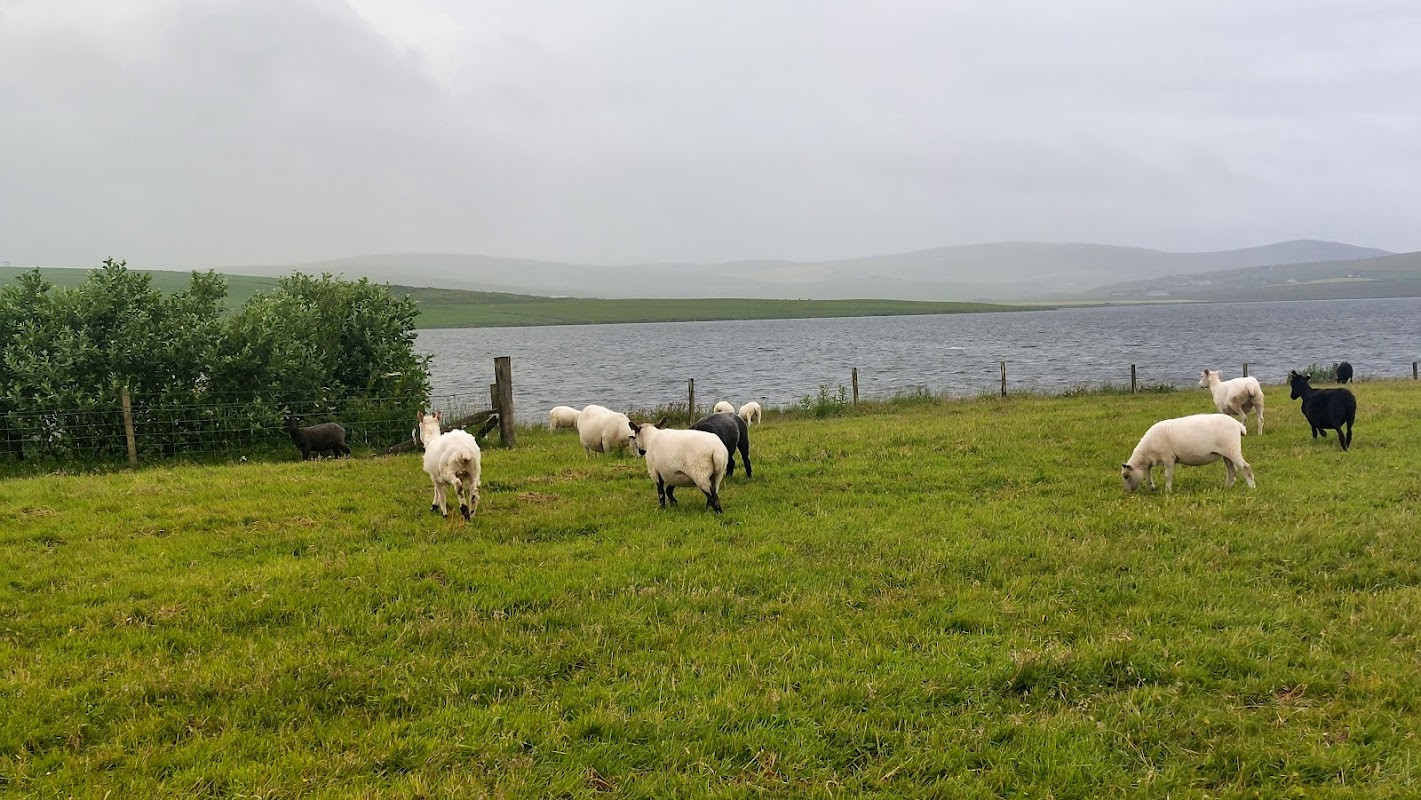
Speaking of stepping back in time, as well as standing stones and millenia-old villages, Orkney is packed with ancient cairns. At Unstan Cairn, you can step, or more like crawl, inside a 5000-year-old chambered tomb near the edge of the Loch of Stenness. It’s not the largest or most impressive...
Maeshowe Chambered Cairn
No Neolithic itinerary is complete without a visit to Maeshowe, one of Europe’s most impressive burial monuments. This is somewhere that you need to visit as part of a guided tour from Historic Scotland, with parking only at their visitor centre a short bus ride away. One you’re inside, you’ll...
Skara Brae


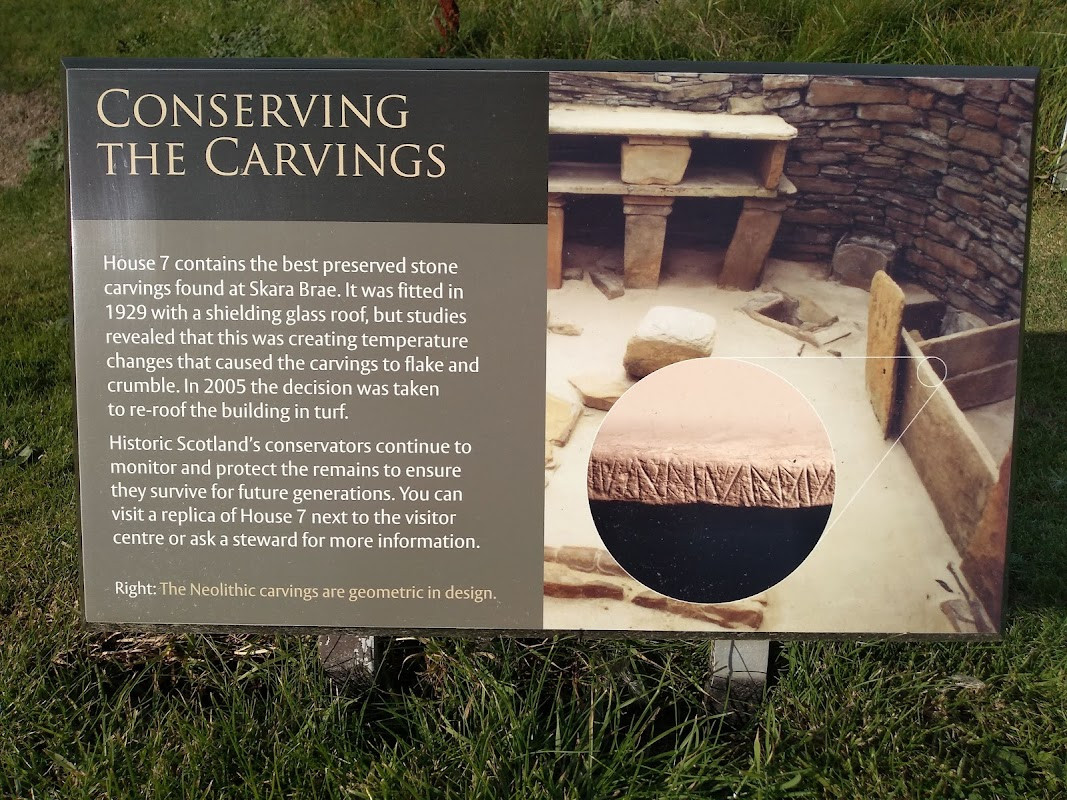
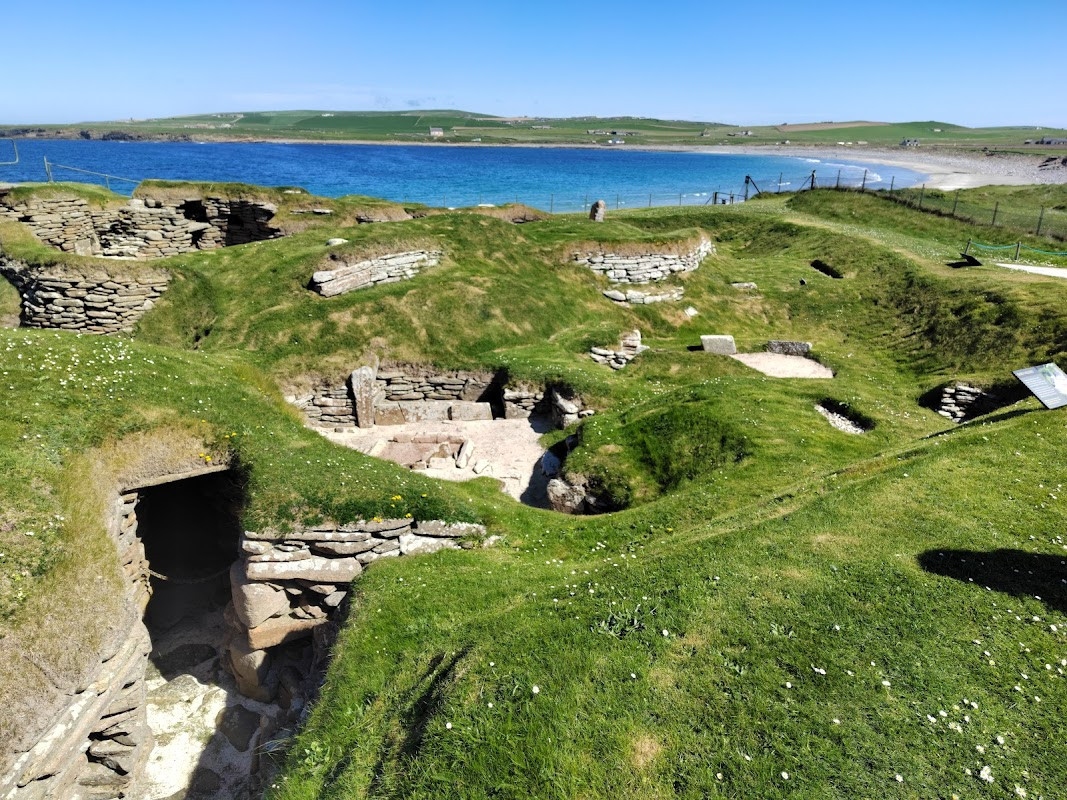
Undoubtedly the busiest attraction in Orkney, I’d always recommend visiting Skara Brae first thing to try and avoid some crowds. This 5,000- year-old village lay buried under sand and turf until it miraculously appeared after a storm in 1850. Strange looking stacked stones were revealed and as archaeologists got to work, they discovered something very special. A series of perfectly preserved homes, connected by corridors, complete with Neolithic furniture. Stone beds, hearths, water-containers and even stone cupboards emerged inside the buildings. We don’t know why these ancient people suddenly abandoned Skara Brae, whether they chose to leave or were forced out by a sudden sandstorm, but it gets your imagination going!


Ring of Brodgar


Heading inland, it’s not long until you reach the Ring of Brodgar, a dramatic circle of standing stones set in a natural amphitheatre between the loch of Harray and Stenness. Dating back to around 2600BC, it may have been built by the same people who lived in Skara Brae! It’s thought there were once 60 stones, but even with “just” 36 left standing, it’s one of the most impressive stone circles in Scotland. There are stones from other locations in Orkney included, so maybe this was part of a ceremonial site that including the entire archipelago. We don’t know for sure what it’s use was, so everybody is welcome to their theory. Local folklore claims that these were once giants, turned to stone after getting so carried away dancing to a tune played by a giant fiddler that they didn’t notice the sun coming up. Don’t miss the Comet Stone, a short distance from the main circle, said to be the fiddle player!


Standing Stones of Stenness


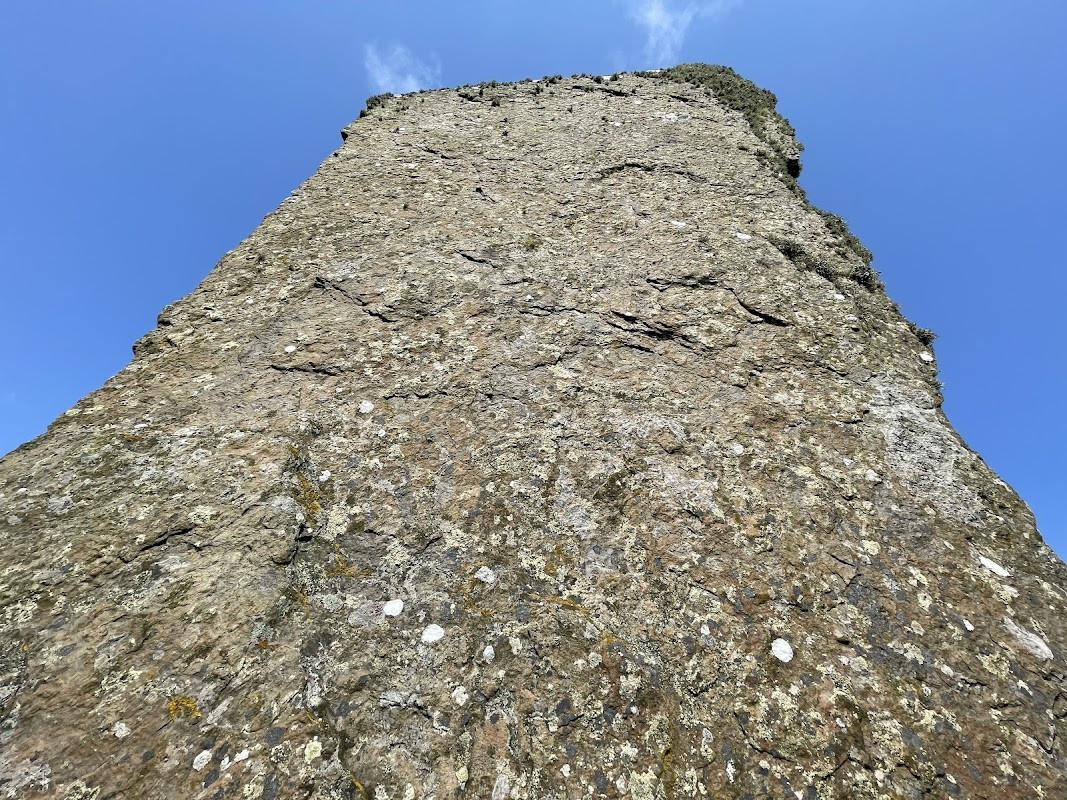
Just across a causeway, you'll find the Standing Stones of Stenness, believed to be the oldest stone circle anywhere in Britain. It adds more weight to the theory that whatever culture raised these monumental structures began here in Orkney, before spreading along the length and breadth of the British Isles. There was once a large stone with a hole called “Odin’s Stone” and local people would clasp their hands through it to pledge their love before they were married. Sadly, it was destroyed by an angry farmer called Captain Mackay who had recently moved to Orkney and hated people walking in his field! He smashed the Odin’s Stone but was thankfully stopped by a furious crowd before he could do too much more damage.


Lunch at Julia’s Café Bistro


Take a trip to Stromness for a delicious lunch at Julia’s Café Bistro. I always try and pick up some local seafood when I’m there, but if that’s not your taste, then you can’t go wrong with anything that uses Orkney cheese! Either eat in, or takeaway and enjoy a scenic picnic spot around Stromness itself. Orkney’s second largest settlement is a pretty wee harbour town with old stone buildings that make you feel like you’ve stepped back in time


Unstan Cairn


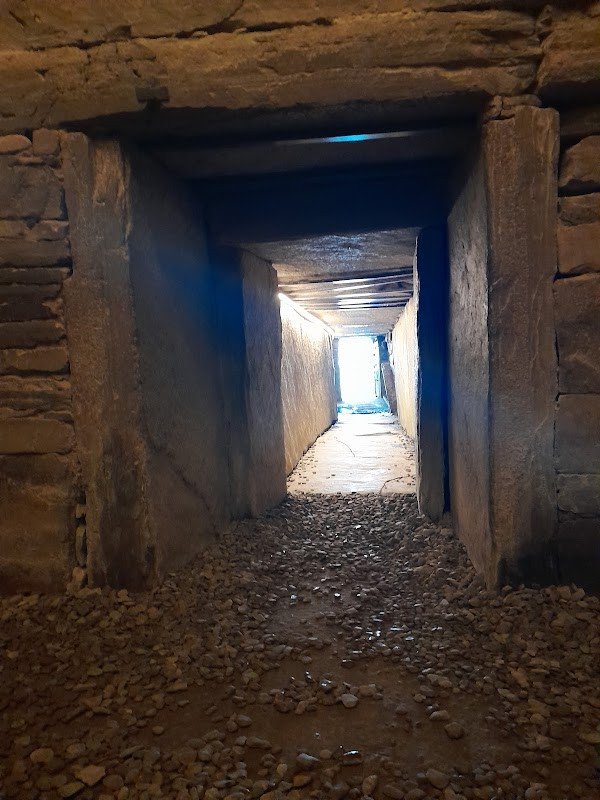
Speaking of stepping back in time, as well as standing stones and millenia-old villages, Orkney is packed with ancient cairns. At Unstan Cairn, you can step, or more like crawl, inside a 5000-year-old chambered tomb near the edge of the Loch of Stenness. It’s not the largest or most impressive around these islands, but it’s free, easily accessible and much quieter than the more popular Neolithic sites. It's a stalled cairn, with partial internal walls that once separated different piles of bones. Exactly how they were used is still a mystery, but it’s one worth exploring.


Maeshowe Chambered Cairn


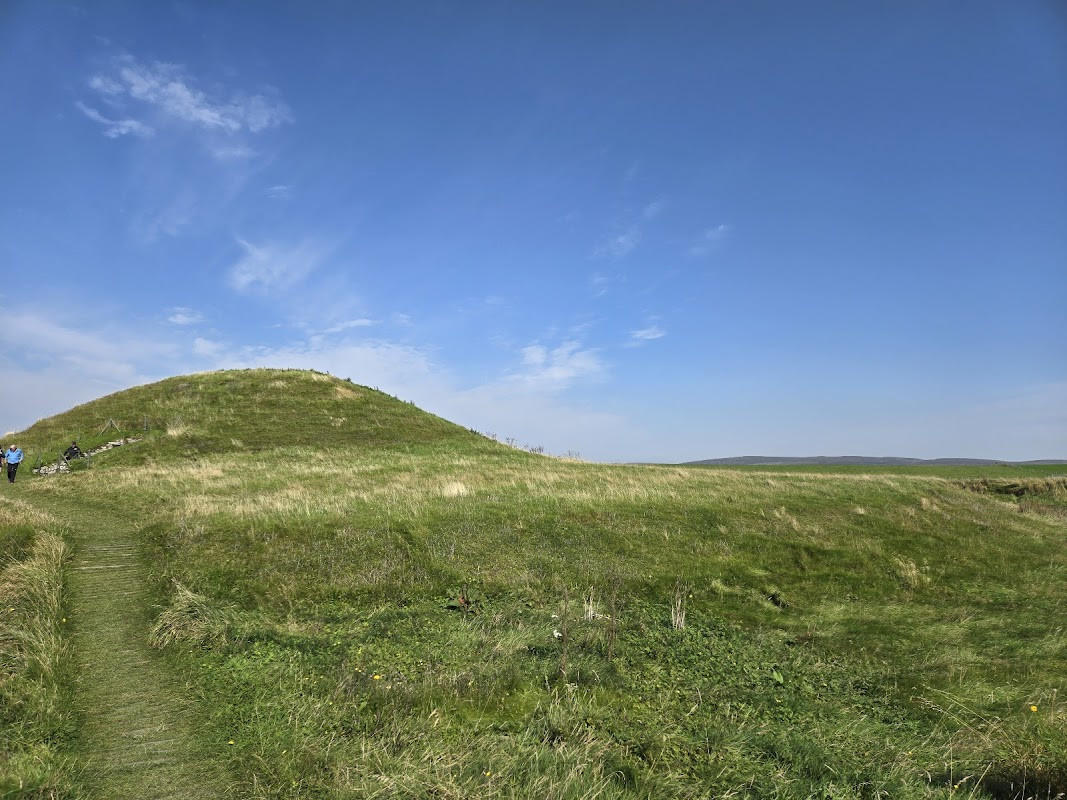
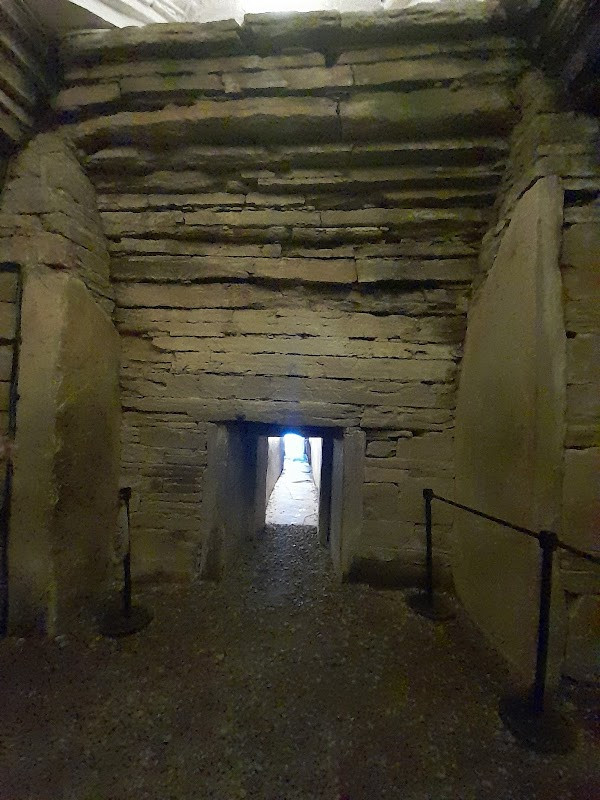
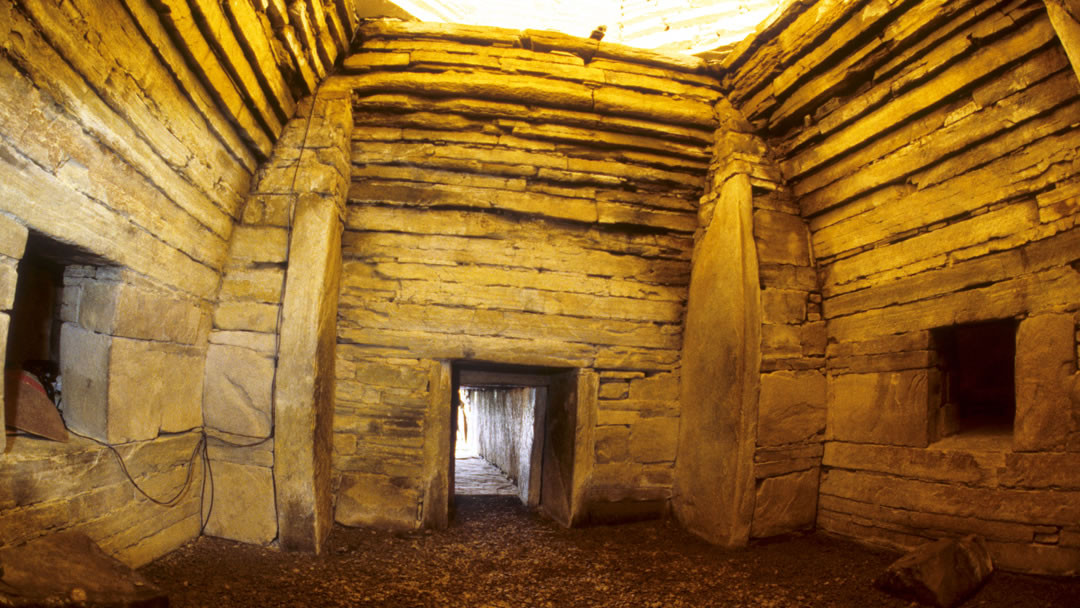
No Neolithic itinerary is complete without a visit to Maeshowe, one of Europe’s most impressive burial monuments. This is somewhere that you need to visit as part of a guided tour from Historic Scotland, with parking only at their visitor centre a short bus ride away. One you’re inside, you’ll see it’s well worth making that effort. Enormous 3-tonne stones line a low entrance passageway and if you visit around mid-winter, the setting sun will shine straight along this to illuminate the interior of the tomb. Chambers are built off the main central area, all beautifully built resting places for Orcadian ancestors. The site is also famous for its Viking runes, graffiti left behind by a group of Scandinavians who broke in the roof to shelter from a storm around a thousand years ago. It’s the largest collection of Norse graffiti outside Scandinavia, full of crude jokes and odd boasting, showing that people haven’t ever changed very much!


Add to a List
Name your list
Add to a trip
By continuing, you agree to our Terms of Service Read our Privacy Policy
Sign in
By continuing, you agree to our Terms of Service Read our Privacy Policy
Reset Password
By continuing, you agree to our Terms of Service Read our Privacy Policy
Sign in with Google
Sign in with Email