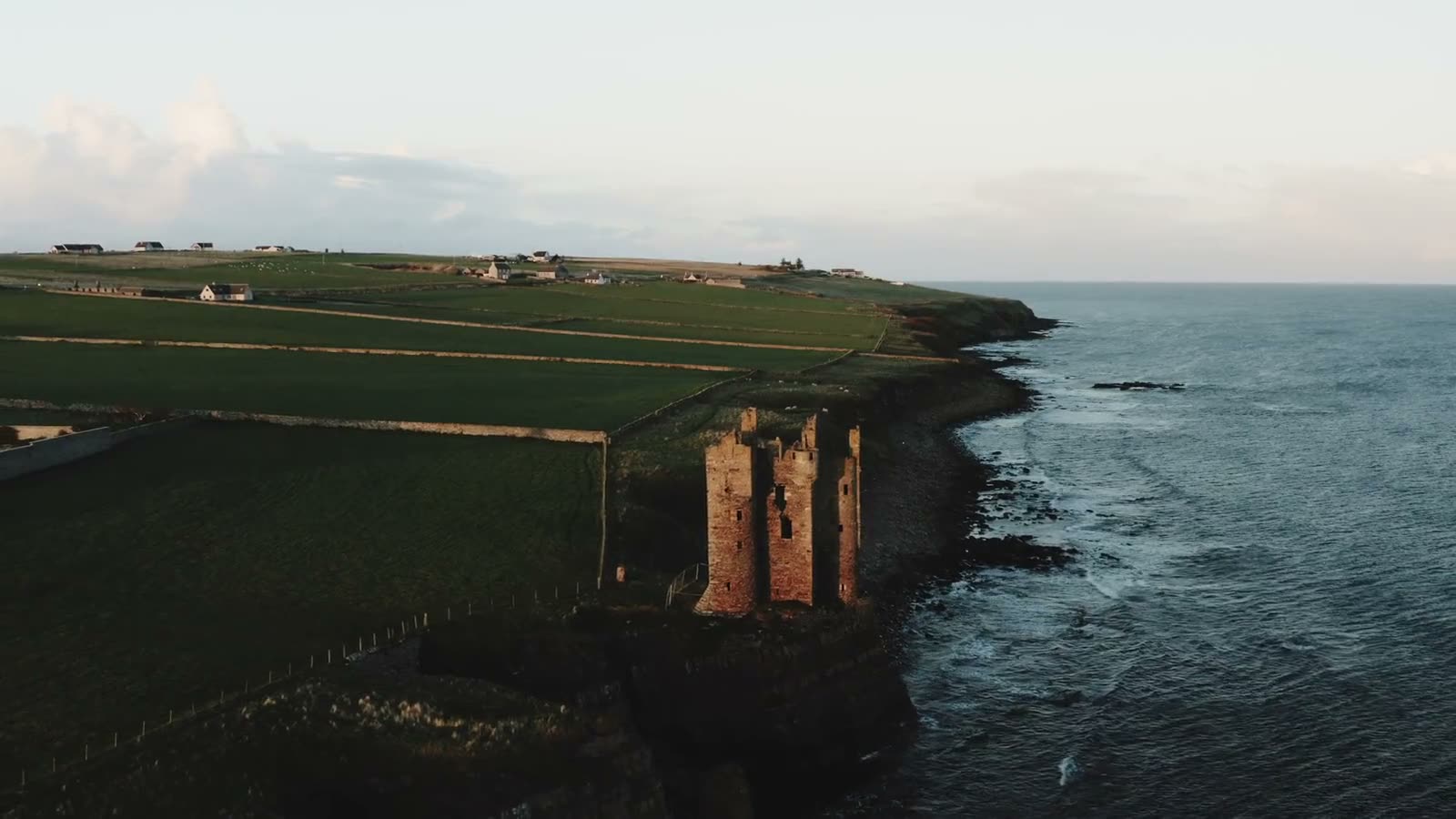
People have lived along this coast for thousands of years. Neolithic or early Bronze Age cairns stand on Muck and at Camas nan Geall, Iron Age forts crown rocky knolls, and an early Christian cross still stands at A'Chill on Canna. St Donnan brought Christianity to Eigg and was killed there with his monks in 617. Later the Norse held the islands, and in 2011 a Viking boat burial was found at Swordle Bay on Ardnamurchan. In the Middle Ages the Lords of the Isles ruled much of the west, and the MacDonalds of Clanranald held Castle Tioram. Inland, the Comyns built Inverlochy Castle around 1280. Two battles were fought beneath its walls. In 1431 the clansmen of the Lord of the Isles routed a royal army there, and in 1645 Montrose crushed a Covenanting army after a winter march over the mountains. The next century brought clearances. At Grulin on Eigg, fourteen families were cleared for sheep in 1853, and most of them sailed for Nova Scotia. Then came the canals and railways. Telford's Caledonian Canal opened in 1822, the West Highland Railway reached Fort William in 1894 and Mallaig in 1901, and Mallaig grew into a great herring port. Water power built Kinlochleven's aluminium works in the early 1900s. In the Second World War the whole area was a protected zone. The commandos trained at Achnacarry, and the Special Operations Executive schooled its agents in the big houses around Arisaig. More recently the land has come back to the people who live on it. Eigg was bought by its islanders in 1997, and Knoydart by its community in 1999.
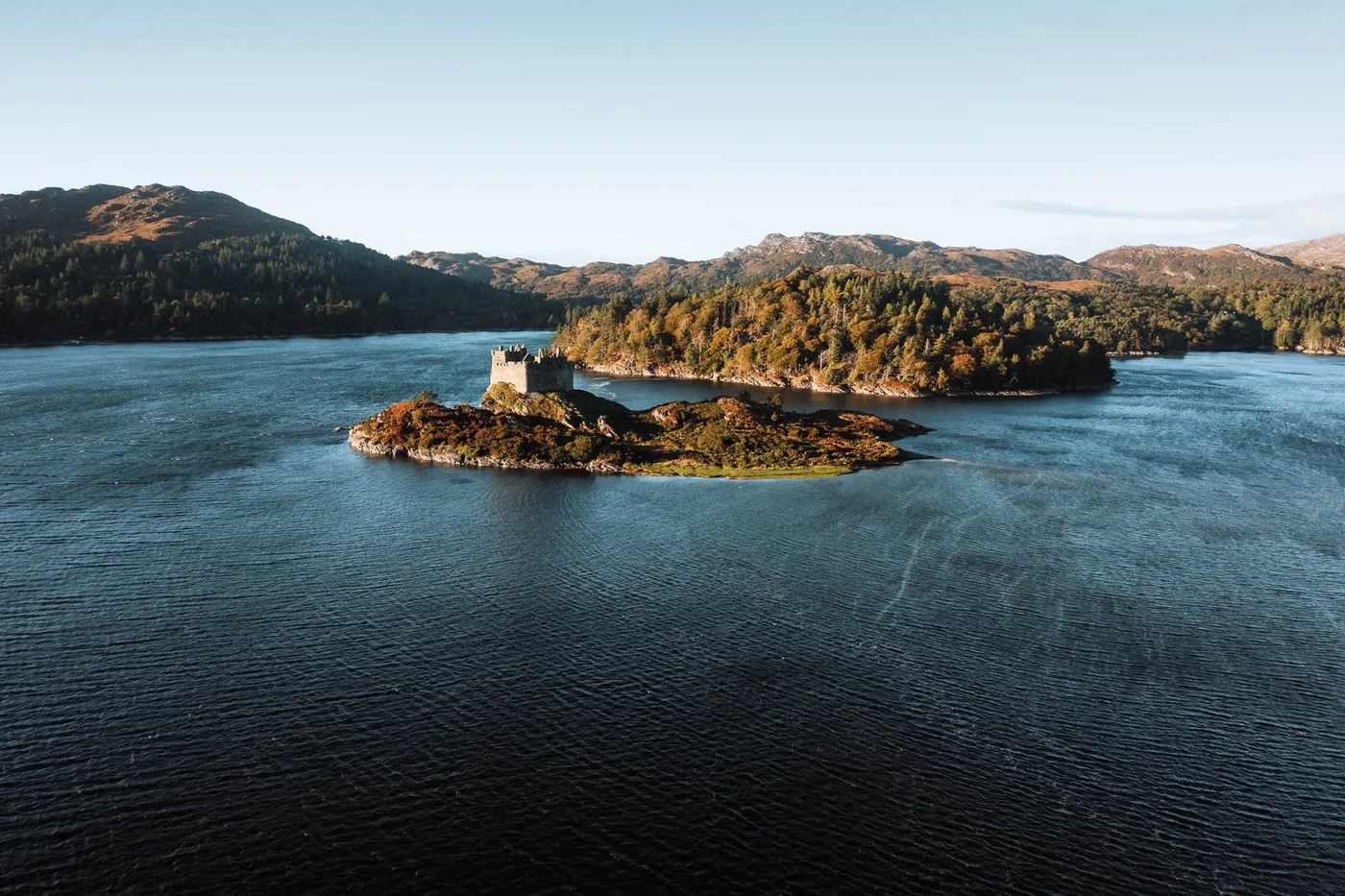 HistoryCastle Tioram and the Adventures of Allan MacRuari
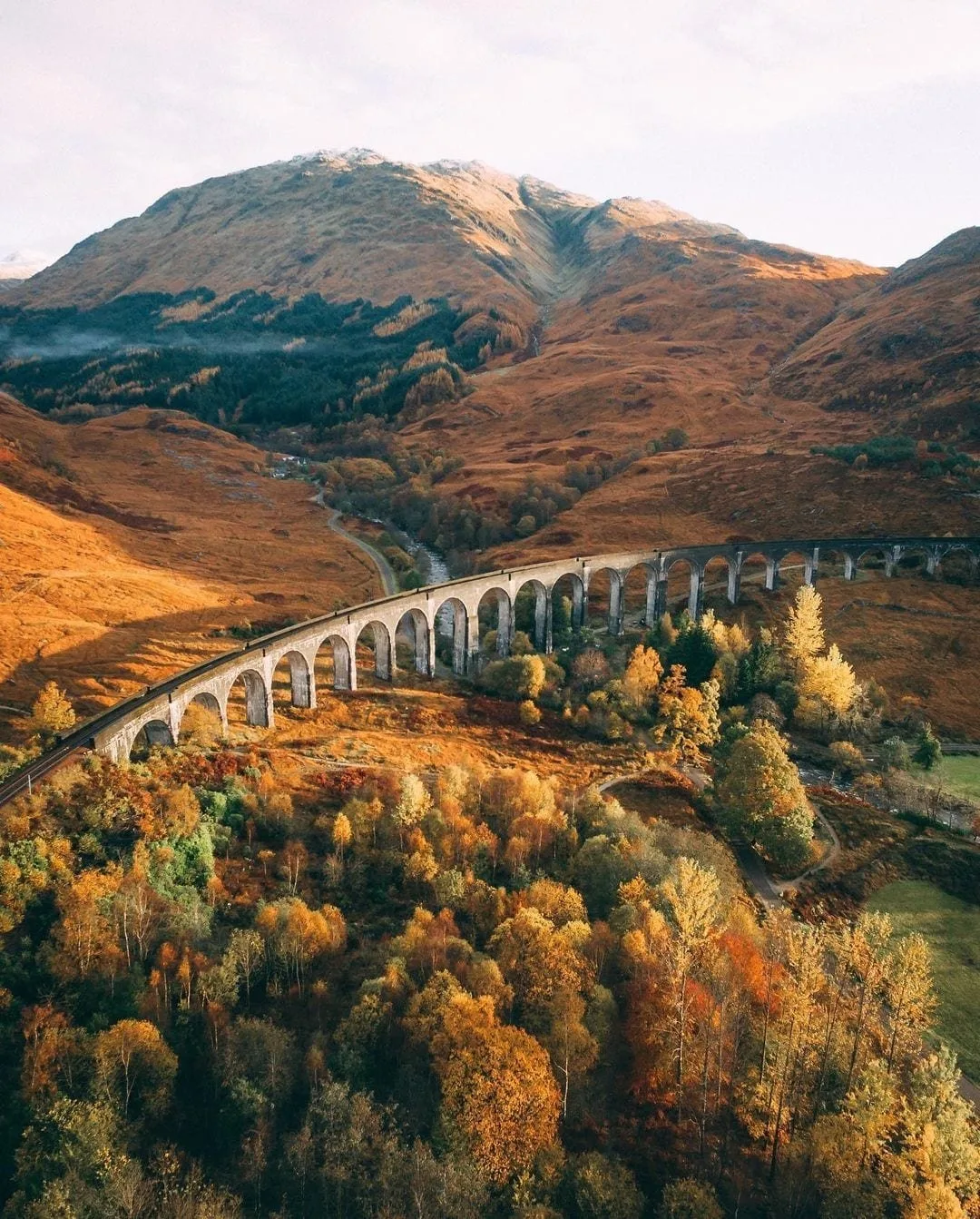 HistoryBuilding the Glenfinnan Viaduct
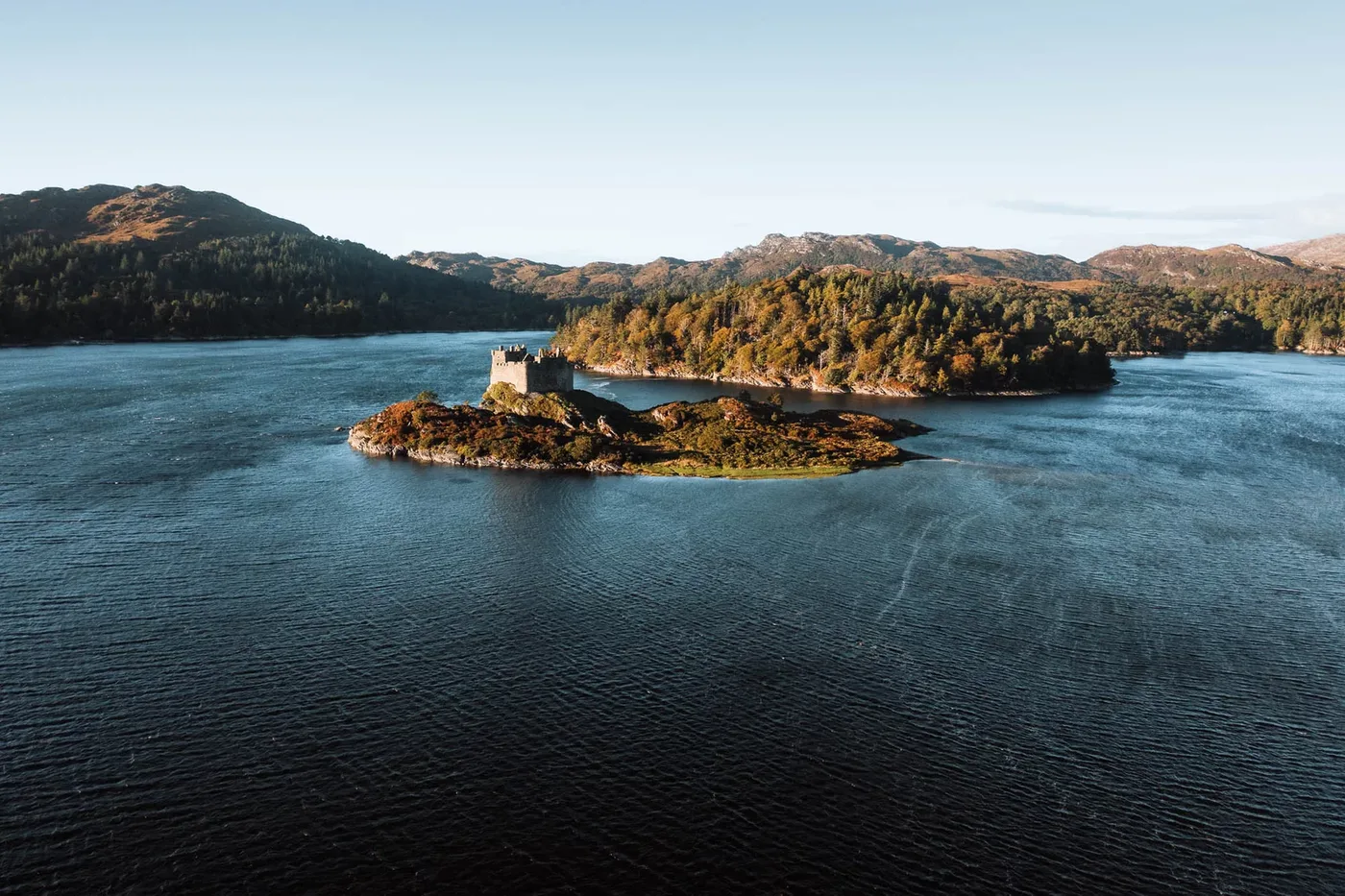 HistoryCastle Tioram and the Adventures of Allan MacRuariHistoryThe Cailleach and the Hunter