People have lived along this coast for thousands of years, and the Romans built a fort at Loudoun Hill in the first century. In the Middle Ages the county took shape as three districts, Cunninghame, Kyle and Carrick, divided by the rivers Irvine and Doon. Monks settled at Kilwinning in the late 1100s, and William the Lion made Ayr a royal burgh on 21 May 1205. Then came the Norwegians. On 2 October 1263, after a storm drove some of King Haakon IV's ships ashore near Largs, the Scots fought his men on the beach. Haakon sailed north and died that winter in Orkney. Under the Treaty of Perth in 1266, Norway gave up the Hebrides and the Isle of Man to the Scottish crown in return for a payment. Robert Burns was born in Alloway on 25 January 1759 and spent most of his short life farming in Ayrshire. His first book, Poems, Chiefly in the Scottish Dialect, was printed by John Wilson in Kilmarnock and published on 31 July 1786, in a run of just 612 copies. He died in Dumfries in 1796, and in 1801 his friends held the first Burns Supper in the cottage where he was born. By then coal and industry were changing the county. The Kilmarnock and Troon Railway, opened in 1812, was the first railway in Scotland authorised by Act of Parliament. In 1820 John Walker opened a grocer's shop in Kilmarnock, where the story of Johnnie Walker whisky began. In 1860 Prestwick staged the first Open Championship.
 HistoryAyrshire: The Land That Inspired Robert Burns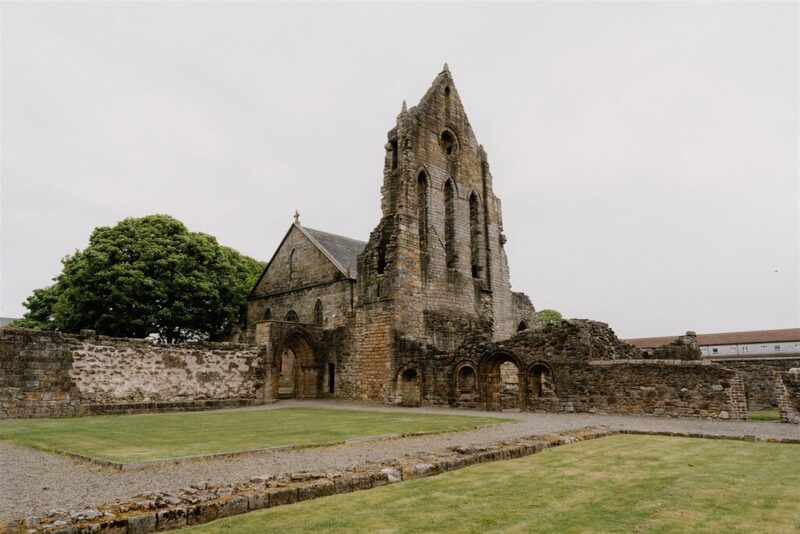
-listable-card-1764155260.jpg)