
 Issue Two · Page 38Spring and Summer 2021 · page 38
Meditating on Nature - Argyll's Secret Coast.
WordsEmily Rose MawsonPhotographyEilidh Cameron
Photograph · Eilidh Cameron
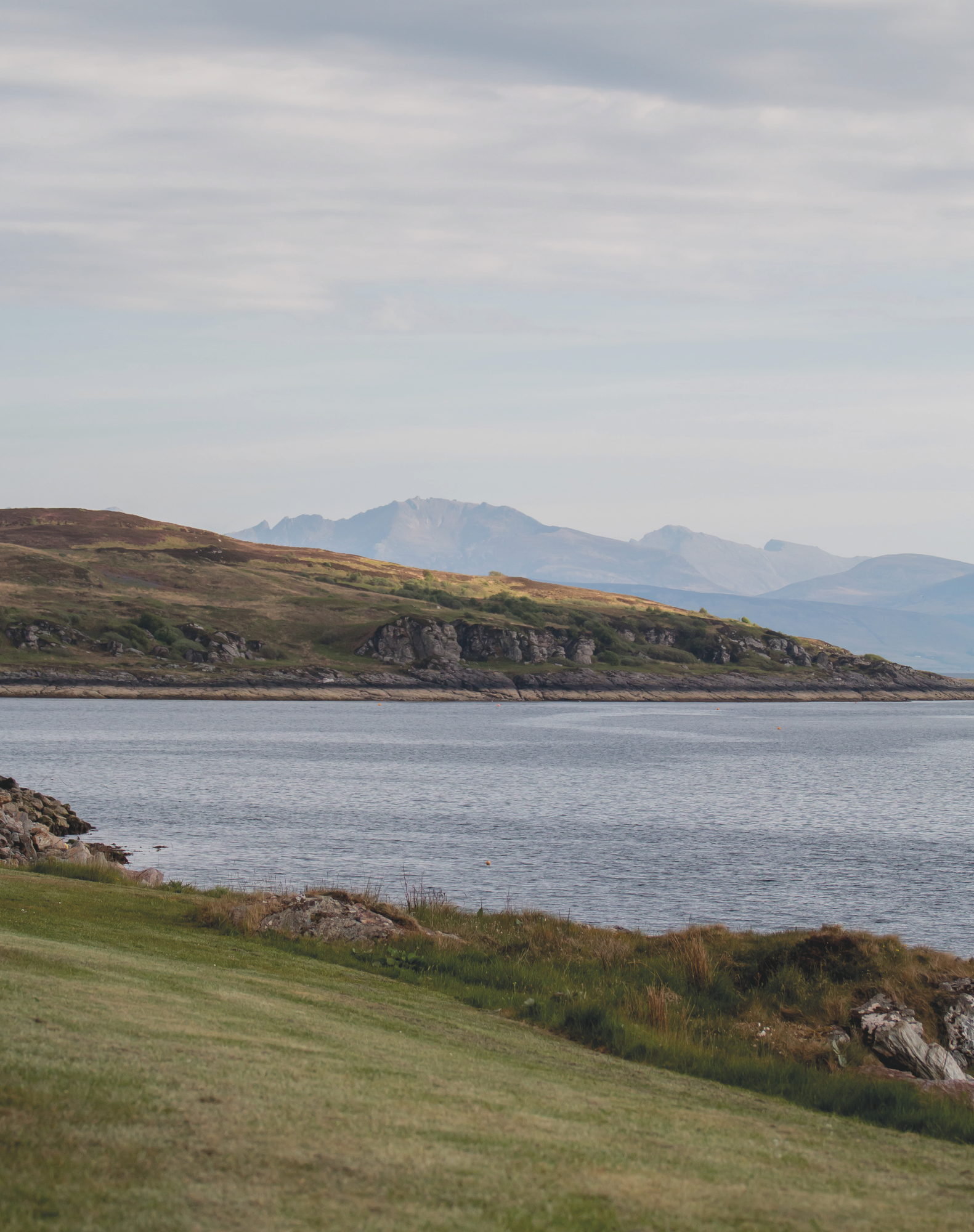
Up ahead, the path creeps through machair that swishes and billows beside a slim cuticle of white sand: Ostel Bay, on the turn of high tide. Where the sea has receded, slowly uncovering more of the broad beach, the sand shimmers like sealskin. The water in this bay of the Firth of Clyde is as rich as blue opal. On its horizon, the dramatic mountains of the Isle of Arran rise hazy mauve against the pale sky. Pops of colour are provided by wildflowers on the shore, dancing in the wind that fills my ears as if I am holding a conch shell to them. There is nobody else around – not even a trace of footsteps on the sand.
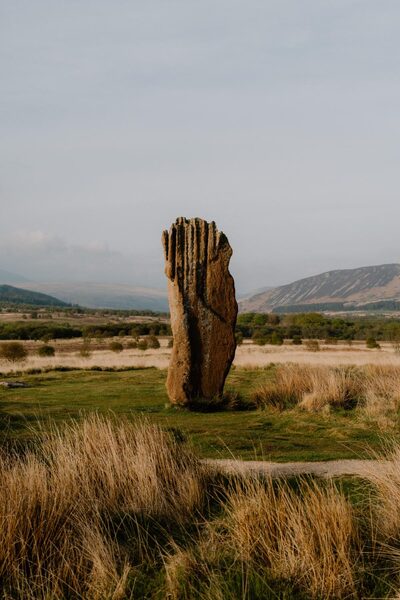
That fact isn’t surprising: Argyll’s Secret Coast at the south-western end of the Cowal peninsula is just what its name suggests – little known and even less visited. Occupying the protrusion of land between Loch Fyne and the Kyles of Bute, the Secret Coast is a jigsaw of sea lochs, lonely hills and ancient woodland. It’s where red squirrels forage, common seals bask and golden eagles soar. There are forgotten villages and crumbling castles. It’s a rare place to be alone with nature.
For members
Keep reading with membership
The rest of Meditating on Nature - Argyll's Secret Coast is for members. Printed in Issue 2, from page 38.
A year. Every issue and guidebook online, every article in full.
Join with DigitalA year. All of Digital, and two new issues posted to your door.
Join with PrintAlready a member? Sign in · Read the opening pages of Issue 2 free
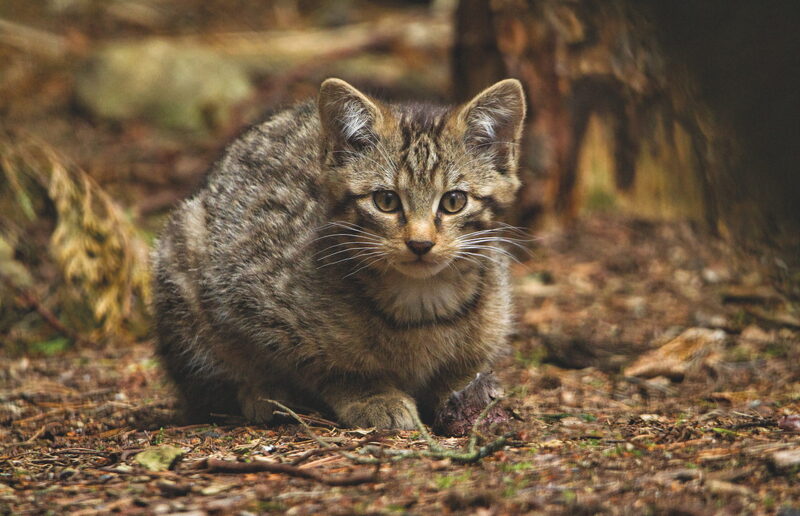
Scottish Wildcat - The Highland Tiger.
As majestic as they are rare, Scotland’s wildcats are facing a desperate plight. Since they arrived in Britain over 9,000 years ago, numbers have dwindled to double digits. Here we trace their history, characteristics, and what is being done to save them.
Read the article