
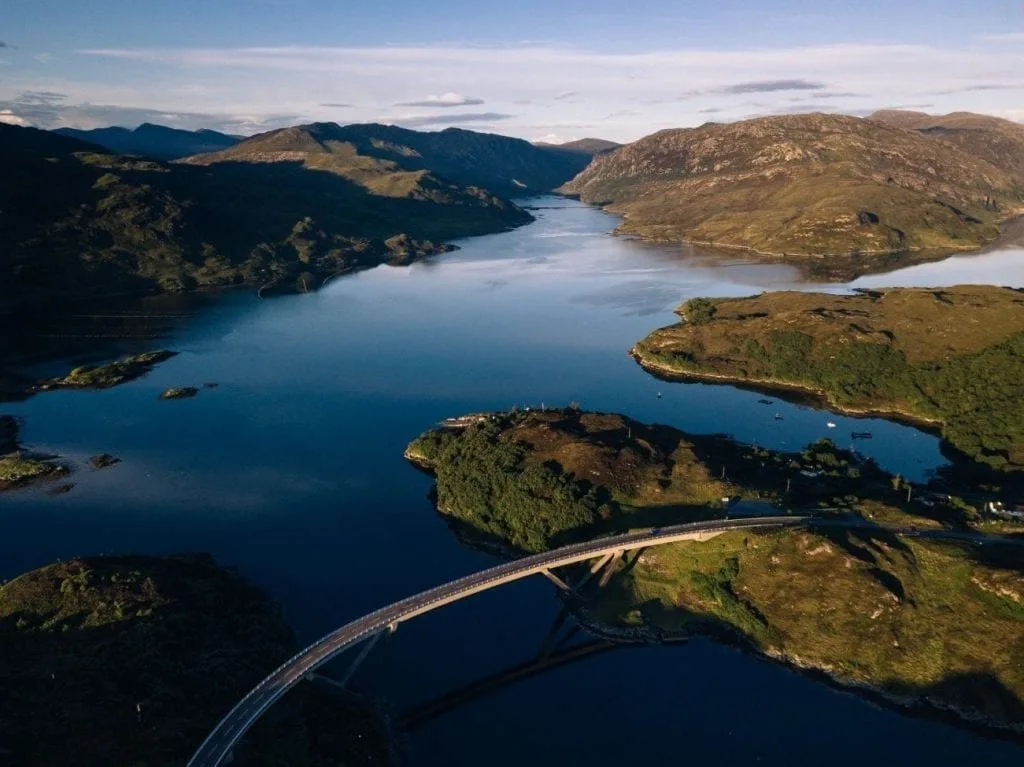
Guide to Travelling Responsibly in Scotland
How to travel in Scotland and leave it as you found it.
Words by Hidden Scotland
Scotland is unique, not only because it offers some of the most inspiring scenery in the Western world, but also because access to its open space is freer than in any other part of the UK.
The Thoughtful Traveller
Hikers, cyclists, campers and backpackers all share that freedom of access to the wild landscapes, and so does anyone exploring the sights at their own pace.
However, with this freedom comes responsibilities: to look after the environment, to respect the rights of other people and to take ownership for your actions during your stay. The Outdoor Access Code outlines the steps that all travellers should take to ensure the long-term sustainability of the environment so that generations can continue to enjoy the magnificent scenery that Scotland has to offer.
Enjoying Open Access to the Countryside
Scotland is beautiful in any weather or season. But enjoying the landscape brings important responsibilities and it is well-worth familiarising yourself with these before setting off on your travels.
The right to access the countryside is enshrined in Scottish Law but with a caveat: respectful behaviour is expected. When hiking across open land, ensure you follow these simple rules:
As a rule of thumb, after you have left, the land that you have visited should be exactly the same as when you arrived. Anything that you have brought, such as food packaging, should leave with you and anything that was present, such as plants, should still be there. Bear in mind that it is illegal to uproot wild plants without the landowner’s permission.

Observing Animals in the Wild
Scotland is home to a great range of wildlife, some of it rare, so it is a fine place for wildlife spotters. While many of the animals will be accustomed to visitors passing-by, respectful behaviour will ensure that they continue to live peacefully in their natural habitats.
Dogs are welcome on a walking holiday in Scotland, but they should not be allowed into fields where animals are present. Some birds nest at low levels in late spring, so dogs should be kept on leads in grasslands, forests, around lochs and along the seashore.
Viewing Scotland From a Different Perspective
While good old-fashioned equipment – sturdy walking boots, a windproof raincoat and a pair of hiking poles – are essential when exploring Scotland’s countryside, modern technology has helped the intrepid explorer venture further than ever before. Drones, in particular, offer an unrivalled view of the landscape that simply isn’t possible with two feet on the ground and you may come home with footage to enjoy for years.
However, operating a drone comes with significant legal and moral responsibilities to protect the safety of people and animals and to preserve the tranquillity of the countryside:
At all times, keep other people’s enjoyment of the countryside at the forefront of your mind. Drone rules are the same across the UK and change from time to time, so check the Civil Aviation Authority’s current rules before you fly.
Wild Camping and Bothies
Scotland has a variety of accommodation options but wild camping or a night in a bothy brings you closest to nature.
If you’re wild camping, Scottish Law means you can set up in most open areas of land but steer clear of other campers to avoid overcrowding. Whether you’re wild camping or using a bothy you should still follow the outdoor access code and be respectful of the landowner and other travellers by leaving the site clean and tidy, not damaging trees, burying human waste away from water sources and clearing all litter before you leave. It is especially important not to leave food waste behind to avoid attracting vermin.
Safety First When Driving
Driving in Scotland, either in your own car or a rental vehicle from one of the many hire companies you’ll find at airports and ports, is a good way to explore the countryside at your leisure. Wherever you live, bear in mind that driving laws may differ and Scotland’s road network, particularly in mountainous regions, may be more hair-raising than you are used to.
If you would prefer to reduce your carbon footprint during your visit, take advantage of the many environmentally-friendly options, including train and bus services, that operate across the country and can provide you with a cost-effective alternative to enjoying Scotland’s glorious scenery. In short, Scotland is for all and the greater enjoyment is to be had when everyone takes responsibility for their own actions, acting positively to help to preserve the countryside for generations.
 Out now
Twice a year, to your door
One hundred and sixty pages of Scotland, every photograph commissioned, every word written by someone who went. Members get both issues posted and everything on screen.

 The Last Stop Before Nowhere
 A Weekend Exploring the Isle of Mull
 What's On in Scotland: Autumn and Winter