
A World Beneath the Waves
When searching for some of Scotland’s most impressive wildlife, it helps to look where the eye doesn’t usually see.
Scotland is famous for its wildlife. But when you picture it, you probably see a red deer on a misty morning, a red squirrel on a pine tree, or a golden eagle soaring through the sky.
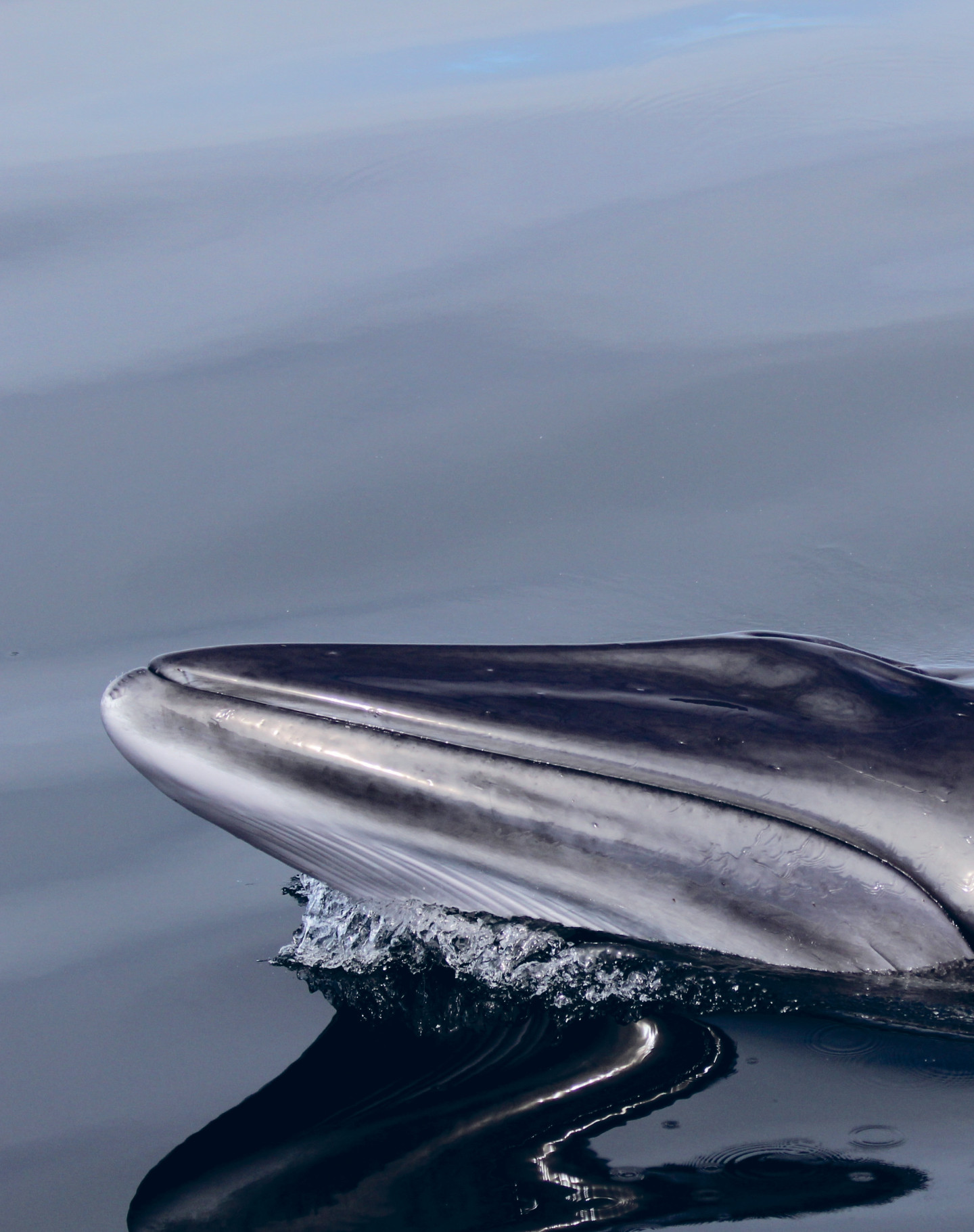
However, there is much more Scottish wildlife than what can be seen on land and in the air. In fact, the waters around Scotland hold some of our best (and biggest) creatures. From the diminutive harbour porpoise to the enormous fin whale (the world’s second longest-living animal), over 28 species of dolphin and whale call the Scottish coastline home. Minke whales are the most commonly spotted whale species, occurring mainly during the summer but with some individuals remaining over the winter.
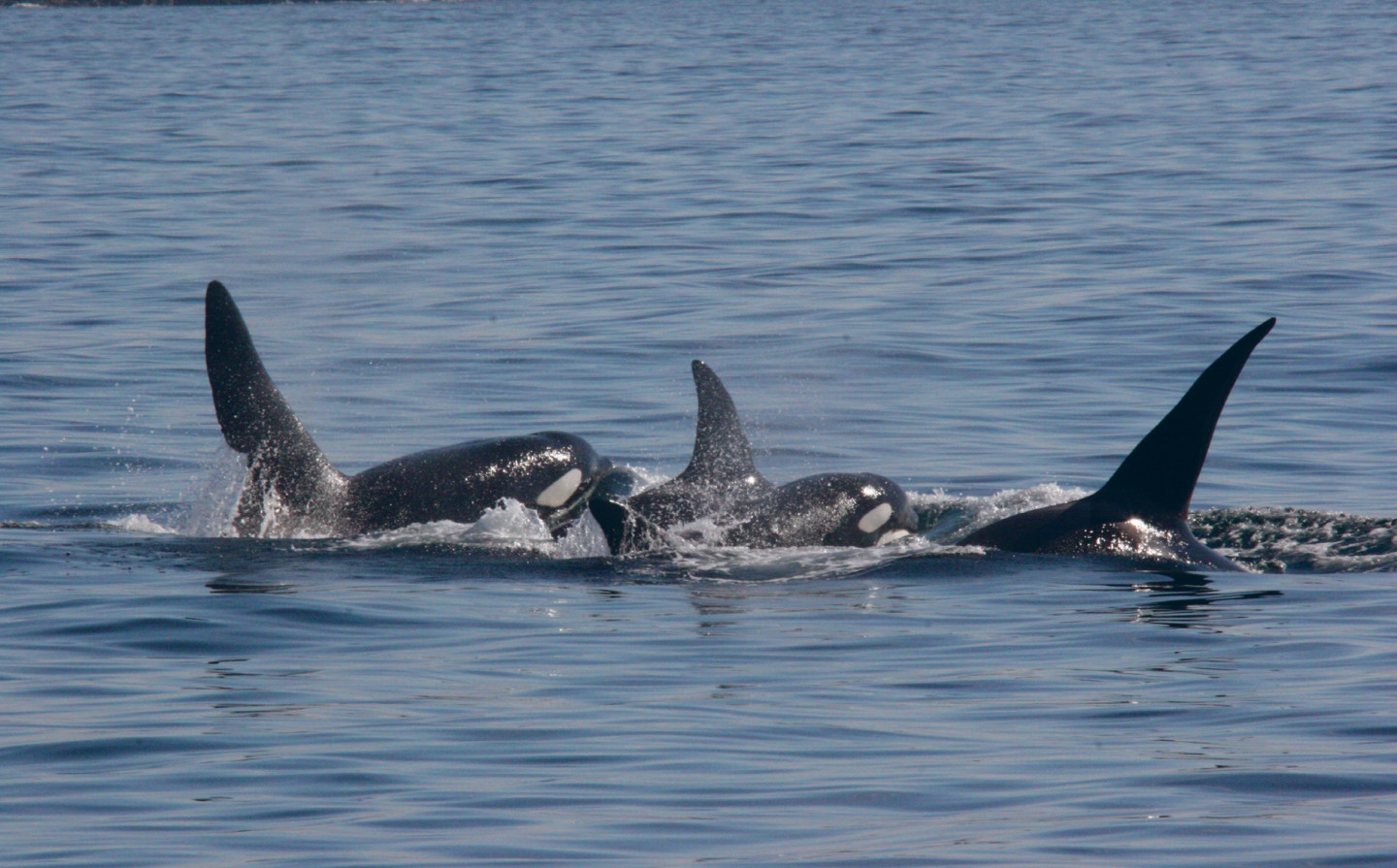
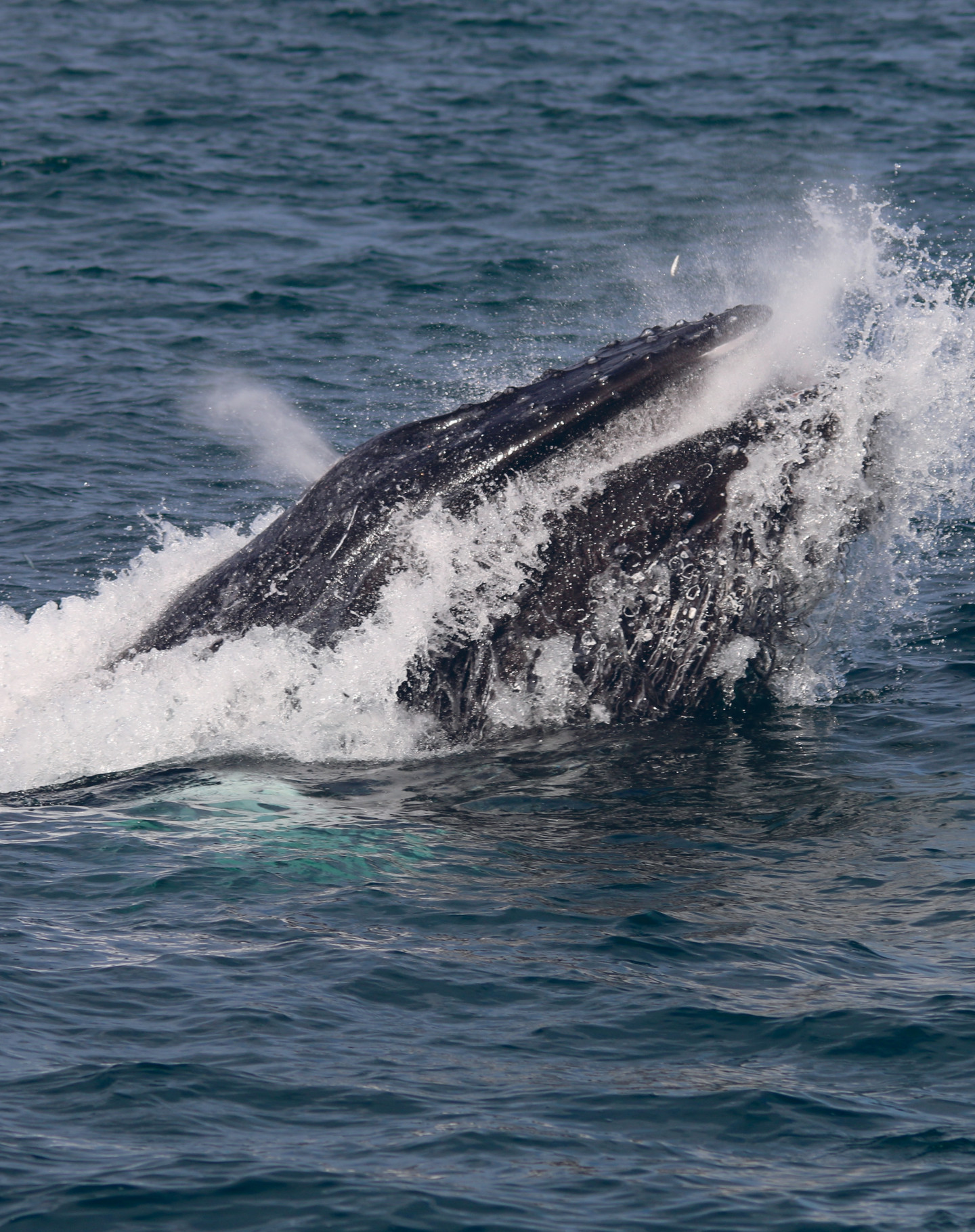
Humpback whales are also making a return, and the Hebridean seas host one of the highest densities of harbour porpoise in Europe. There is even a resident pod of orcas, known as the West Coast community. Unfortunately, the pod hasn’t reproduced in decades and so may not be around for much longer.
On the whole, whales and dolphins appear to be doing very well in our waters, and with them, they have brought new opportunities for coastal communities as people flock to see these unique animals. But, like many other European countries, Scotland’s relationship with whales wasn’t always so respectful.
A History of Whaling
For hundreds of years, ships departed Scotland bound for remote parts of the world with a single goal in mind: hunting and harvesting whales. Whaling was an extremely lucrative trade. Whale oil was used for street lighting and in-home heating and was a crucial component in the jute sacking industry. While the meat would have rotted long before reaching home, a single whalebone might sell for up to £3,000 and would be used as a high-end construction material that found particular use in the assembly of corsets. Dundee, Peterhead and Greenock were Scotland’s most important whaling ports, and the Southern Ocean and Antarctica the most common destination. In fact, the first known photographs of Antarctica were taken during the Dundee Whaling Expedition in 1892, and Antarctica’s geography is littered with Scottish place names, including Dundee Island, Mount Dalrymple and the Scotia Sea. In 1986, the International Whaling Commission banned commercial whaling around the world. However, whaling had effectively ended in Scotland long before this date, as the industrial revolution increased reliance on alternate fuels and whaling trips became prohibitively costly. And yet, a legacy remains. In fact, if you find yourself on The Shore in Leith, you will see a harpooning gun that was once used in this cruel industry.
If you go down to the waters today
After centuries of persecution, whale populations are believed to be recovering worldwide. This gives us an incredible opportunity to study these elusive mammals, and there are several Scottish organisations devoted to doing just that. Based on the Isle of Mull, the Hebridean Whale & Dolphin Trust (HWDT) has been pioneering the conservation of whales, dolphins and porpoises in the waters of western Scotland for over two decades. Today, much of HWDT’s work is learning about the different populations off Scotland’s coast and helping them thrive. “You can only protect what you understand, so we’ve been trying to deepen the knowledge of whales and dolphins in Hebridean waters,” says Morven Summers, Communications Manager at HWDT.
“Our conservation work is underpinned by our long-term data collection programmes. Through citizen science and long-term research projects, HWDT generates the knowledge and evidence needed to drive effective marine conservation.” This is important because, while whaling has ended, whales and dolphins still face many threats. “Globally, whales and dolphins are faced with climate change, bycatch, pollution, habitat degradation, to name a few,” continues Morven, “Off the west coast of Scotland, we are concerned about noise pollution and entanglement in fishing gear and marine debris.” “Entanglement is the largest identified cause of death due to human activity in minke and humpback whales in Scottish waters.” But, partially through the efforts of HWDT, there is hope. Recently, a ground-breaking project to help reduce wildlife entanglement in creel fishing gear in Scottish waters was announced.
The first of its kind in the UK, this project brings together commercial creel fishers, NatureScot, research scientists, and marine mammal conservation and rescue charities to better understand the scale and impact of marine animal entanglement in Scottish waters. Creel fishers participated in training events and workshops to promote best practise, reduce entanglement risk, and learn how to safely disentangle marine animals from their gear. It’s just one of many programmes around the country that aims to ensure that Scottish waters are always welcome to whales and dolphins, as well as the visitors they inevitably bring.
Want to see for yourself?
So, where can you go to see whales and dolphins for yourself? Well, if you’ve got sea legs and fancy getting out on the water, a boat trip will offer some of the best and certainly closest encounters. There are now guided boat tours and whale watching cruise operators around the Scottish coastline. The HWDT advise always going with an operator that has undergone WiSe training. The WiSe Scheme teaches boat operators how to responsibly watch for wildlife on the water, and details of certified tour operators can be found on the WiSe website. And if you are lucky enough to see a whale or dolphin in Scottish waters, you can contribute to the work of the HWDT by reporting the sighting using the free Whale Track app. These sightings help the HWDT track the movements of coastal species and uncover the mysteries of rare visitors, including humpback and orca. Every sighting adds to the growing understanding of whales and dolphins in Scottish waters. So whether you see a pod of humpback whales or a single harbour porpoise, add your sighting and help the HWDT learn about and protect the species. If you’d like to support the Hebridean Whale & Dolphin Trust or report a cetacean sighting, visit their website on hwdt.org or download the free Whale Track app. To find a certified tour operator or to learn more about the WiSe Scheme, you can visit wisescheme.org.
words // Kieran Lynn - photography // Becky Dudley

Promoted Post
ferryman






 Sign in with Google
 Sign in with Email