
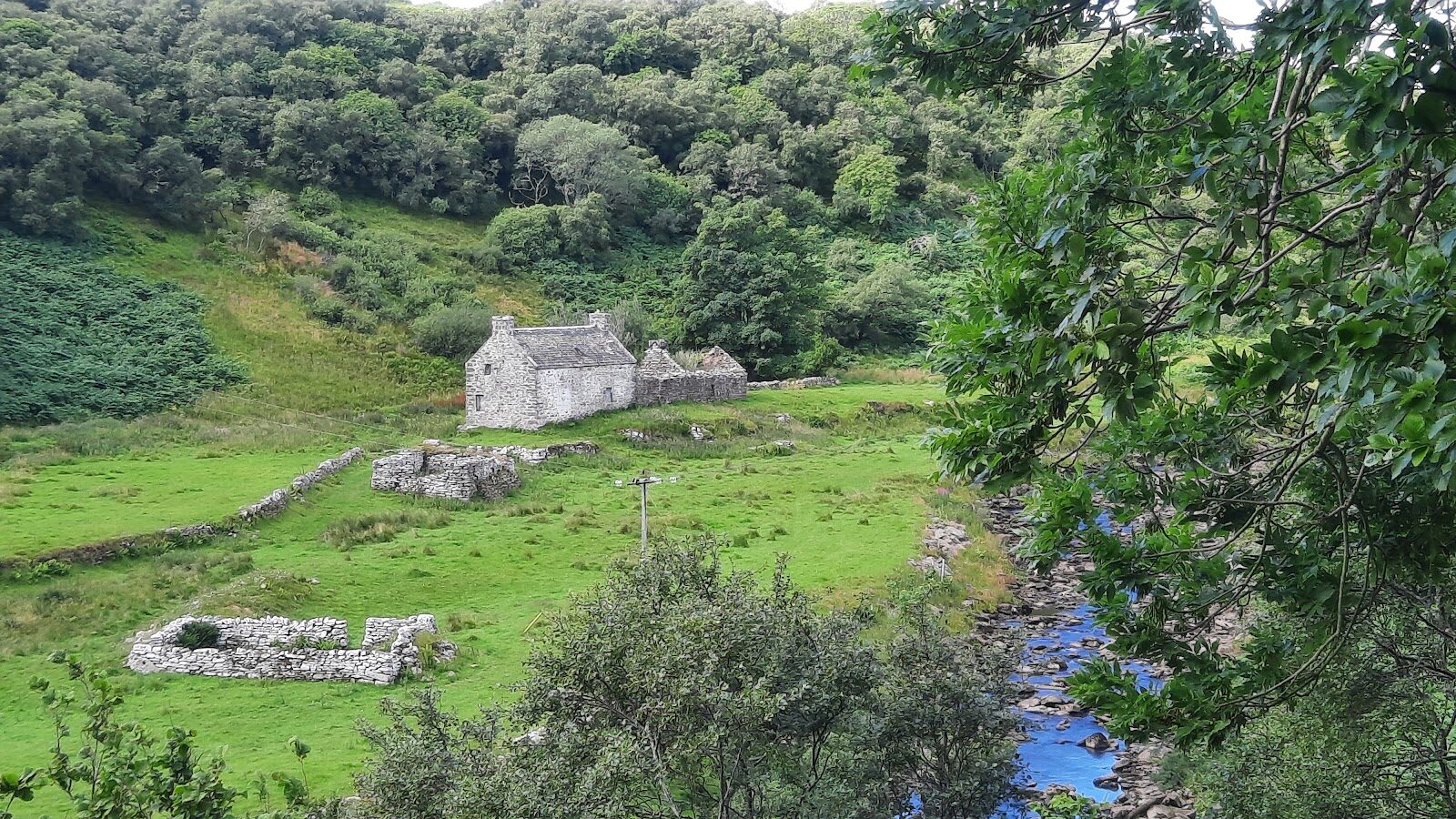
Dunbeath Strath – Neil Gunn's Highland River
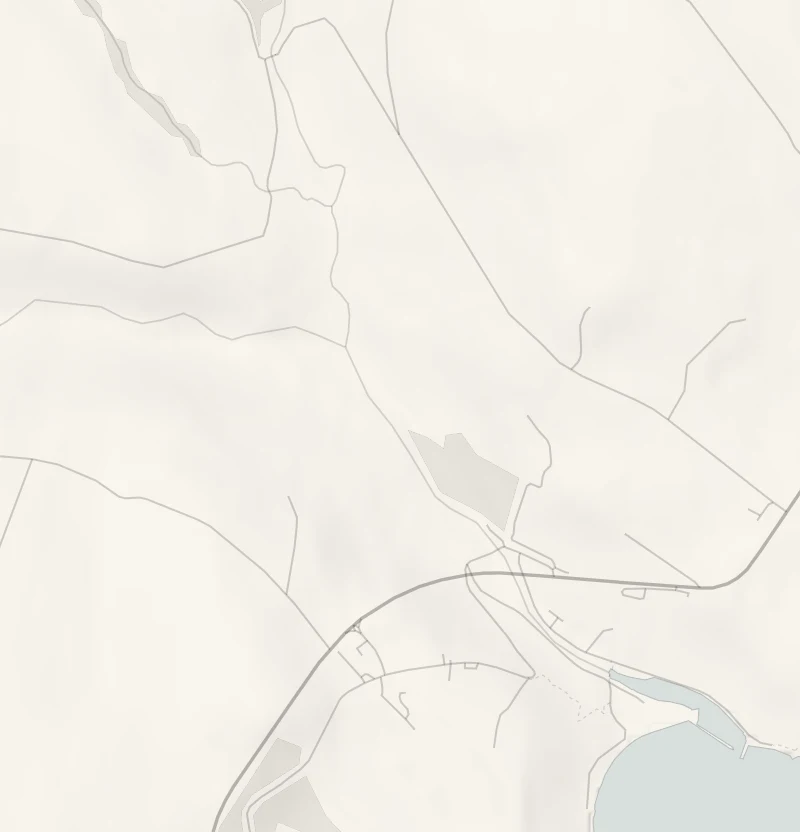
Dunbeath Water comes down to the sea through Dunbeath Strath, a sheltered valley of hazel, birch and rowan, and the novelist Neil Gunn, who was born in the village, made it the river of his book Highland River.
A path keeps to its north bank from an old meal mill to an Iron Age broch, a round stone tower, on a knoll, a mile there and back. Carry on upstream to the Prisoner's Leap, a rocky gorge with a legend attached, and the round trip is three miles.
- Time
- About 45 minutes to Dunbeath Broch and back, 1 mile (1.6 km); about two hours to the Prisoner's Leap and back, 3 miles (4.8 km).
- The path
- A riverside path with a footbridge and a climb to the broch; rougher beyond it.
- Where to start
- Beside the old meal mill at Telford's bridge in Dunbeath, beneath the A9 flyover. Free, with room for only a few cars.
- Set off
- From November to January, set off by 12.30pm if you're going as far as the Prisoner's Leap.
- When to go
- All year in daylight. From November to January set off by 12.30pm for the Prisoner's Leap. The Dunbeath Heritage Museum is open from April to September only.
- Dogs
- On a lead near stock.
- Children
- The walk to the broch suits children. Keep them well back at the Prisoner's Leap.
- Toilets
- None at the mill: the nearest are at Dunbeath harbour.
- Before you set out
- Easy to the broch, rougher beyond it. The Prisoner's Leap is a gorge with a steep drop. The Dunbeath Heritage Museum is open from April to September only.
The walk
Park beside the old meal mill at Thomas Telford's bridge in Dunbeath, on the old road beneath the A9 flyover. It's free, but there's room for only a few cars. The nearest toilets are at the harbour. The Dunbeath Heritage Museum, whose trail this is, gives the walk to the broch and back as one mile, and to the Prisoner's Leap and back as three. Telford built the bridge in 1812, and the mill beside it ground meal until 1950. Neil Gunn was born in the village in 1891, and Dunbeath Water is the river of his novel Highland River.
The path keeps to the north bank and passes Chapel Hill, where tradition puts a monastery. Dunbeath Broch stands on a knoll between the Houstry Burn and the river, across a footbridge, inside a modern wall built to keep stock out. It's the best preserved of several brochs in the strath, and you can still make out its entrance and a guard cell. Beyond it the path runs on through woods of hazel, downy birch, rowan and bird cherry. Look for dippers on the rocks in the river, buzzards overhead and roe deer among the trees, and in autumn there are hazelnuts to pick. The Prisoner's Leap is a narrow gorge.
The story goes that a Gunn held captive by the Keiths was promised his freedom if he could jump it, and did. The going is easy as far as the broch and rougher after it, so wear boots, keep children well back at the gorge and keep dogs on a lead near stock. The lodge across the river is private, so stay on the path. The museum in the village is shut from October to March. For lunch, the River Bothy tearoom at Berriedale, a few miles south on the A9, is open from Monday to Saturday, 10am to 4pm. From November to January, set off by 12.30pm for the Leap.
If it rains
The strath is sheltered and the walk to the broch is short, so a shower needn't stop you. Beyond the broch the path is rougher and the rocks by the gorge are slippery when wet.
Before you go
Book accommodation nearby
If you are staying over: here are ours nearest where the day starts and ends.
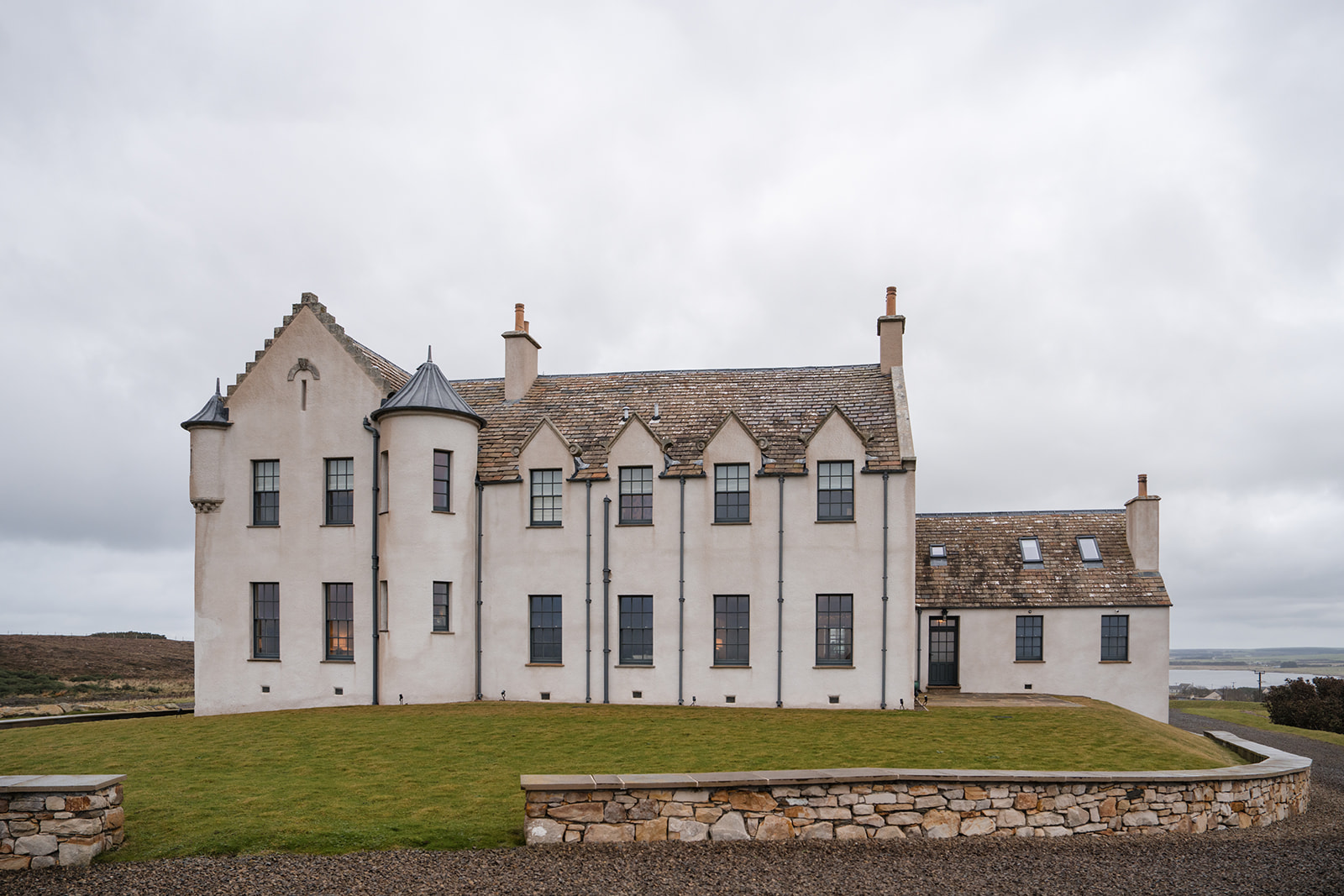
None of ours is close by: the nearest is House of the Northern Gate, 26 miles away. Sleeps 18.
For further reading, before you go.
Photograph by Armel Bonsergent via Google