
The Hard Life Of A Timber Floater
Felled trees sent racing down the Spey, and the men with hooked poles who steered them.
Words by Hidden Scotland · Photographs by Hidden Scotland
The Great Caledonian Forest was once so widespread that it’s said a squirrel could leap all the way from Forres right to the highest of the Cairngorms without ever touching the ground. Many of those trees have long disappeared, but the area around the River Spey held on much longer than most.
While the word Speyside instantly conjures up images of whisky distilleries, this region was once home to a much more dangerous trade. Scotland’s fastest-flowing river was perfect for transporting felled trees on a rollercoaster ride from the dark Moray forests out to the shore.
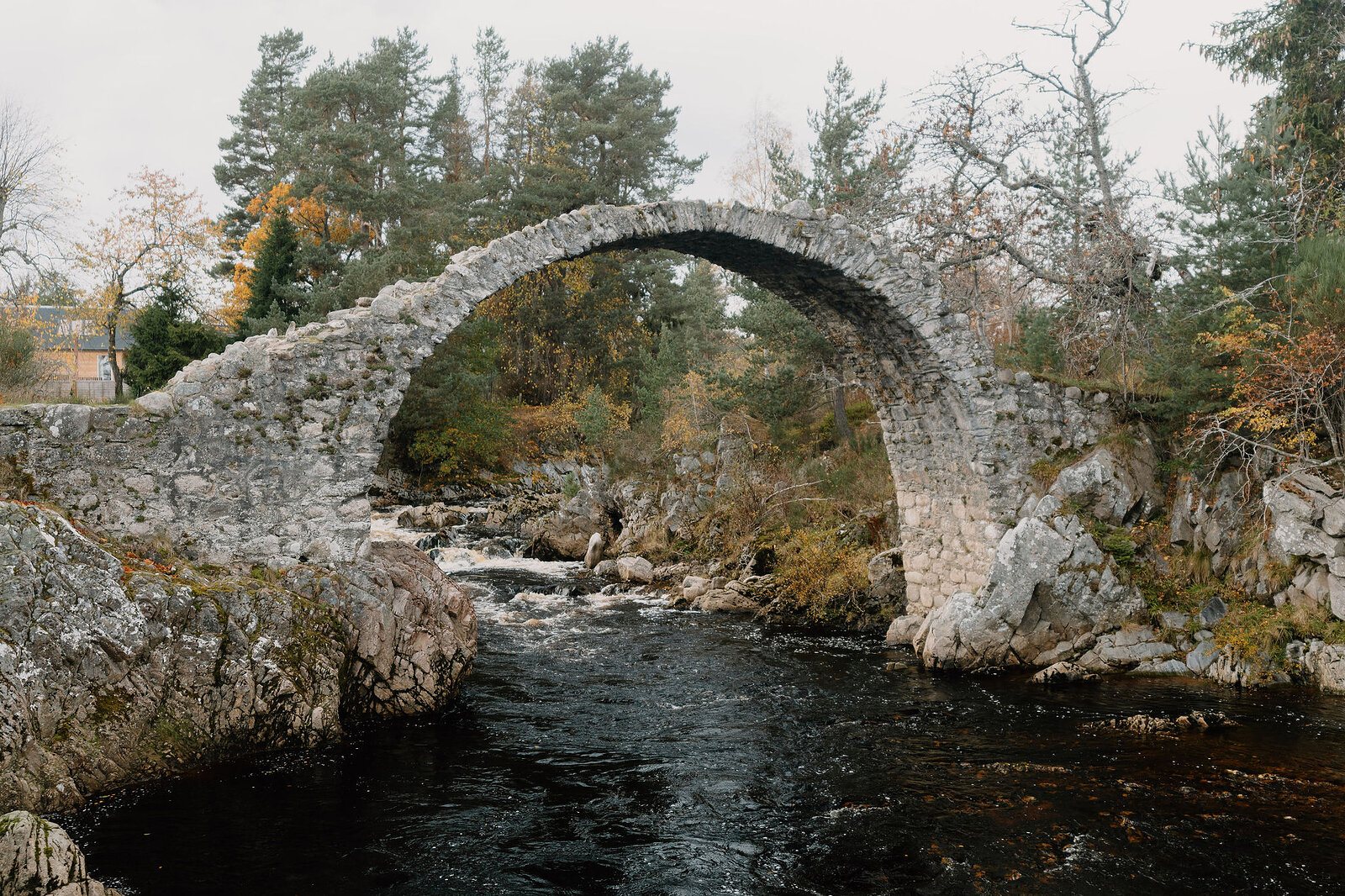
It was much more efficient than using roads, but that didn’t make it an easy job. Floating logs that were stripped of branches were guided down tributaries of the Spey by young men with hooked sticks, sprinting to keep up with their cargo. They were then gathered together and let loose down the main river to eventually be caught just before disappearing out to sea.
After a few too many stray trees caused extreme damage to vital bridges, in 1813 the government were forced to act. From then on, the logs were to be tied into rafts and guided by a timber floater, steering a safe passage down the precarious river with the help of a long, hooked pole called a floater’s cleek.
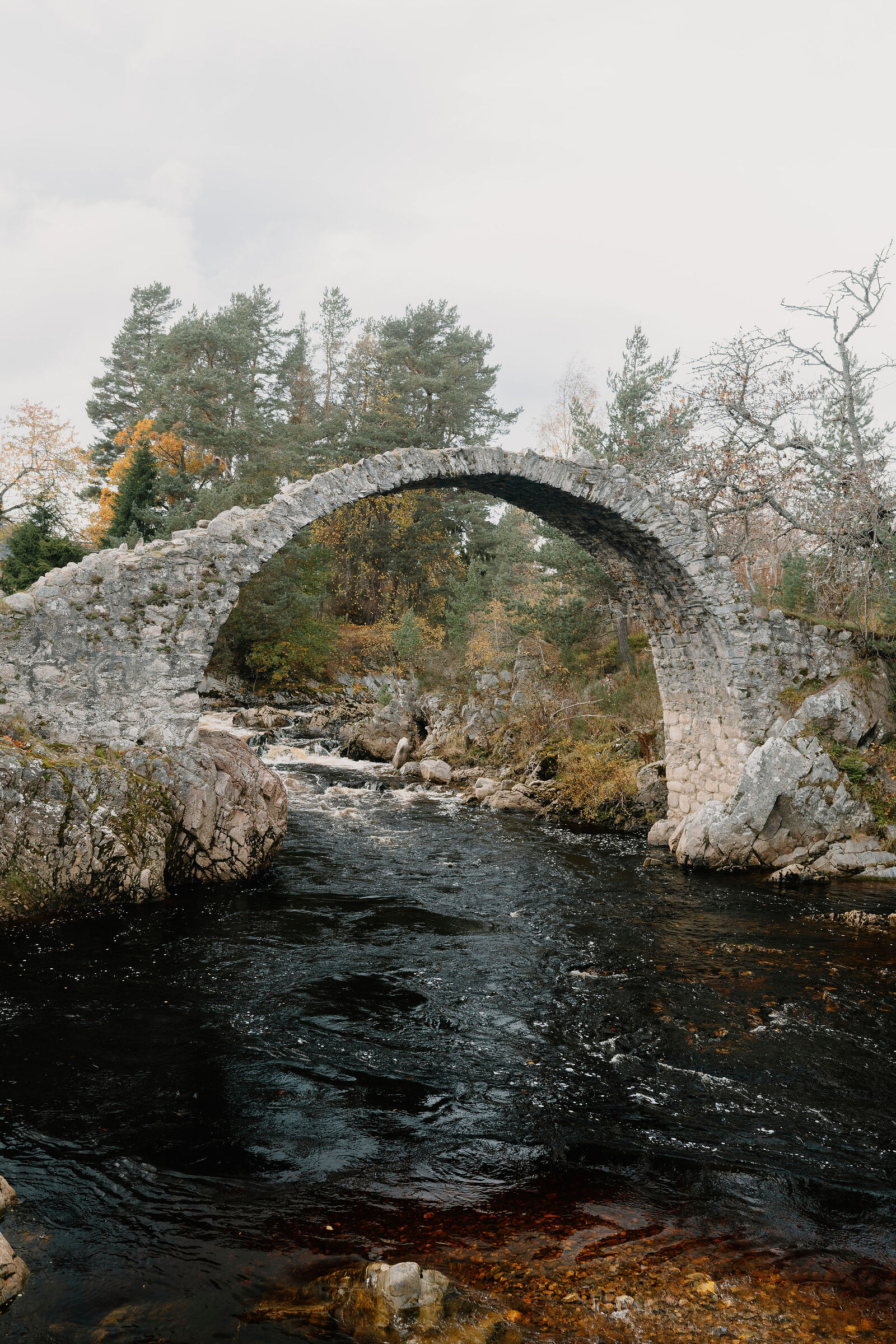
These burly characters were powered by oatmeal, bannocks and cheese and without any waterproofs to protect them, they kept warm with large measures of strong whisky. They may have been highly skilled, but even the most experienced timber floater could fall victim to the whims of the river and accidents happened.
A Mr Lobban once got caught on the rocks near Carron, his makeshift craft becoming stuck fast. When out of the water, these rafts weighed tonnes and it took him around three hours, not to mention all his strength, to work it free again. By the time the floater and his shipment reached the shore at Garmouth, it was past dark and he had missed the last coach back upriver.
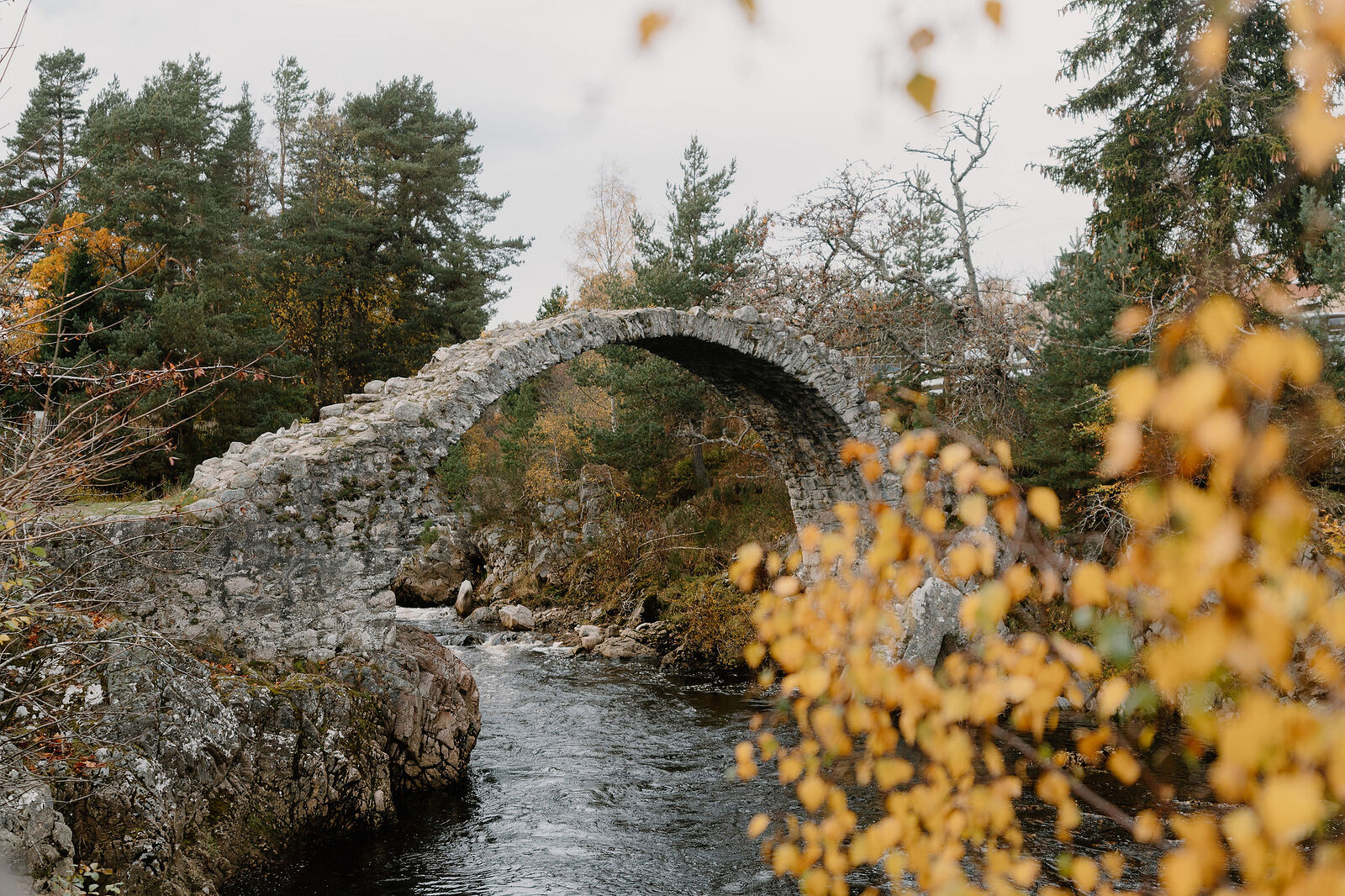
Rather than sit around waiting until the next day for another and losing out on the next morning’s shipment, he decided to walk the 40-mile journey home. All he carried with him was a little bag of oatmeal and he managed to borrow hot water from houses he passed to make his brose.
After hiking all through the night, Lobban finally arrived back at his cottage around 6 am. He had just enough time for a quick breakfast before heading straight back down to the water to prepare his next raft.
-full-1750070214.jpg)
 Hallowe’en? It started here in Scotland