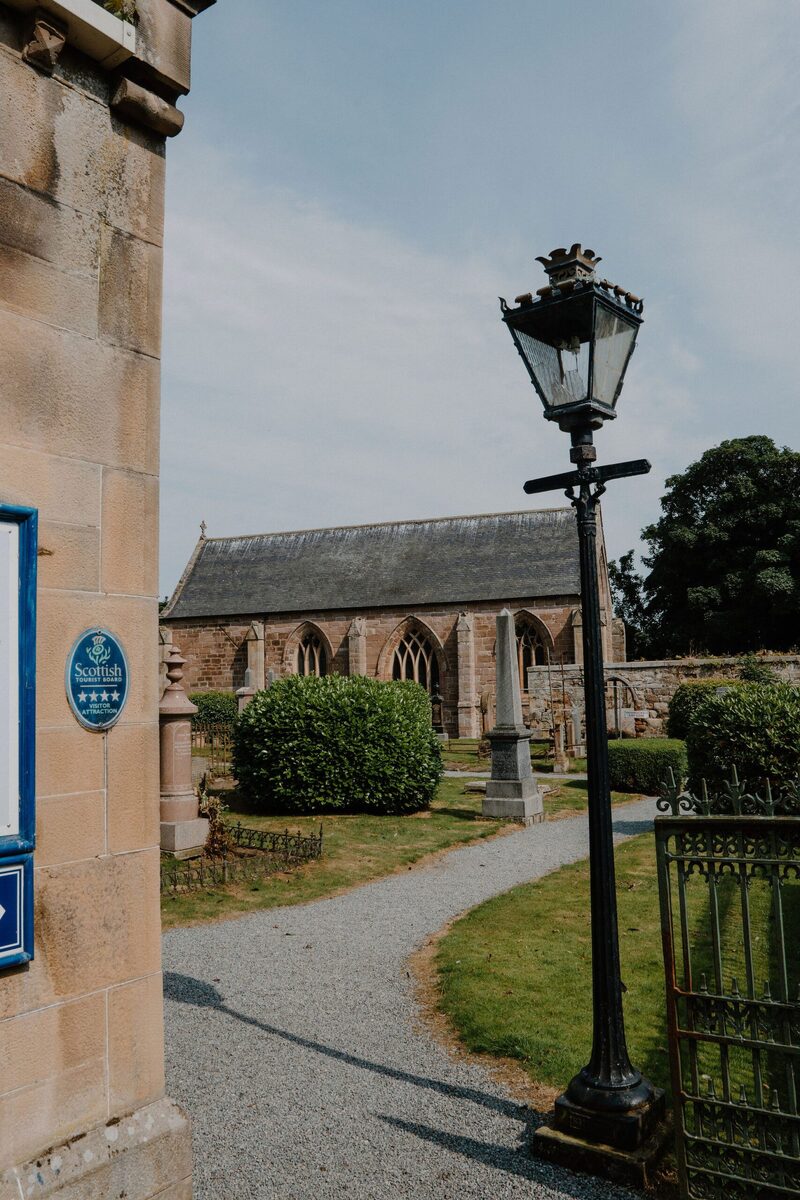
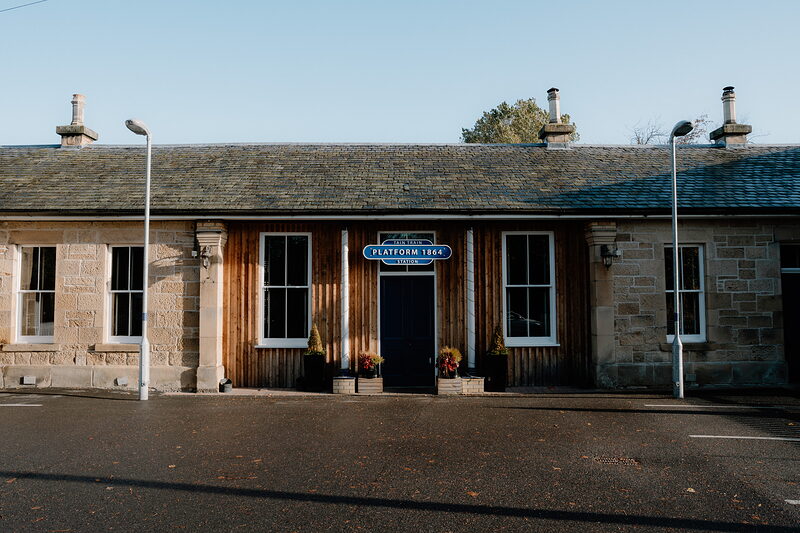
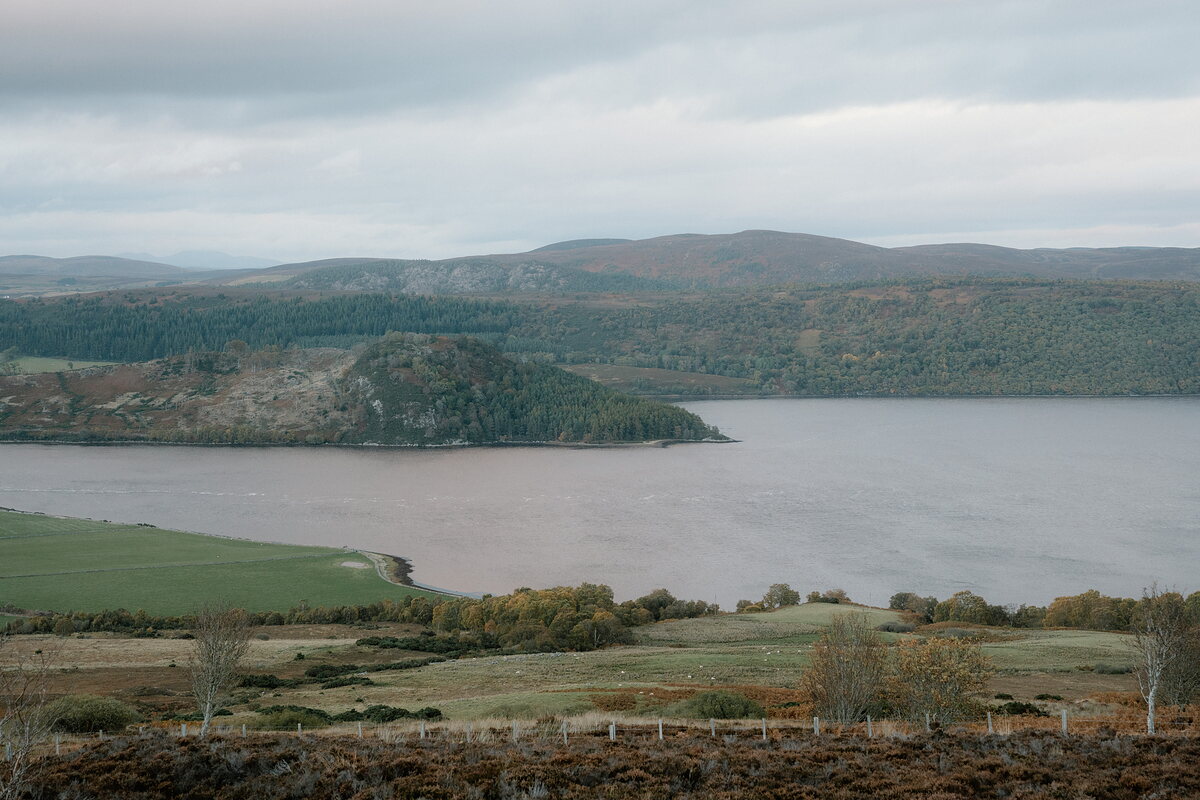
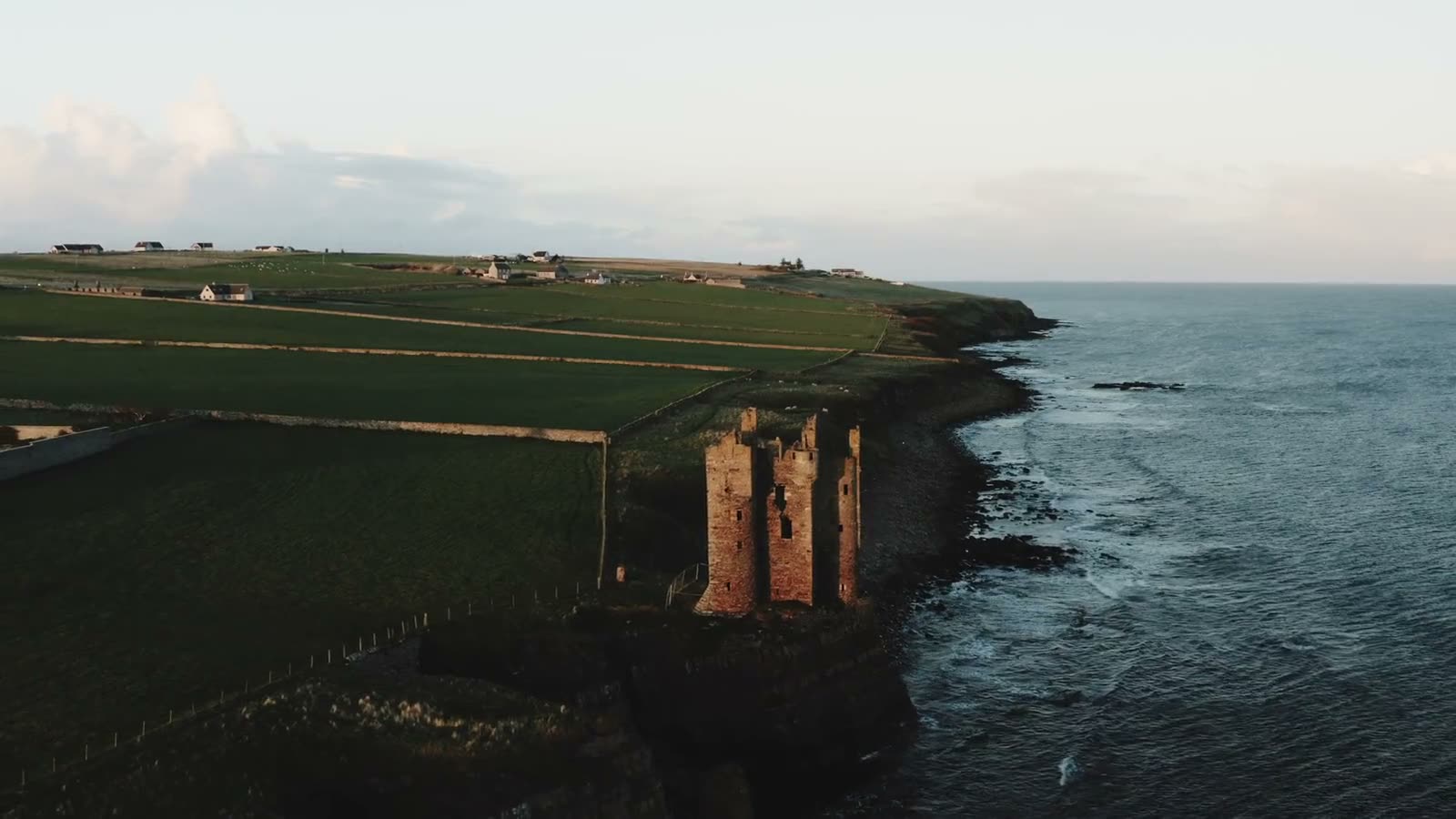
People have farmed this low, fertile land for thousands of years, and the oldest marks they left are standing stones such as the Clach Biorach at Edderton and cup-marked boulders like the Ardjachie Stone. By the first millennium AD this was the country of the Picts. Around 550 a monastery was founded at Portmahomack, and for more than two centuries its monks farmed the land and made fine metalwork. The great cross-slabs at Nigg, Shandwick and Hilton of Cadboll were carved around the end of the 8th century. In about 800 the monastery was burned, perhaps by Viking raiders, and Norse place names such as Shandwick, the sand bay, show that Scandinavian settlers followed. In the 1780s Sir Hector Munro of Novar, home from fighting in India, paid local people to build the Fyrish Monument on the hill above Evanton, at a time when work was scarce. It is said to copy the gate of Negapatam, a town he had captured. Fishing boats crowded the harbours along the coast, the railway reached Tain in 1864, and distilleries grew at Tain, Edderton and Alness. From 1913 the deep, sheltered water of the Cromarty Firth made Invergordon a naval base, and it stayed one until 1956. In 1972 a yard opened at Nigg to build platforms for the North Sea oil fields. Today oil rigs come into the firth for repair, cruise ships call at Invergordon, and the Nigg yard works for the offshore energy industry.
Nothing here for that yet.