
Rùda: An Interview with Phillippa Henley.
InterviewHidden Scotland
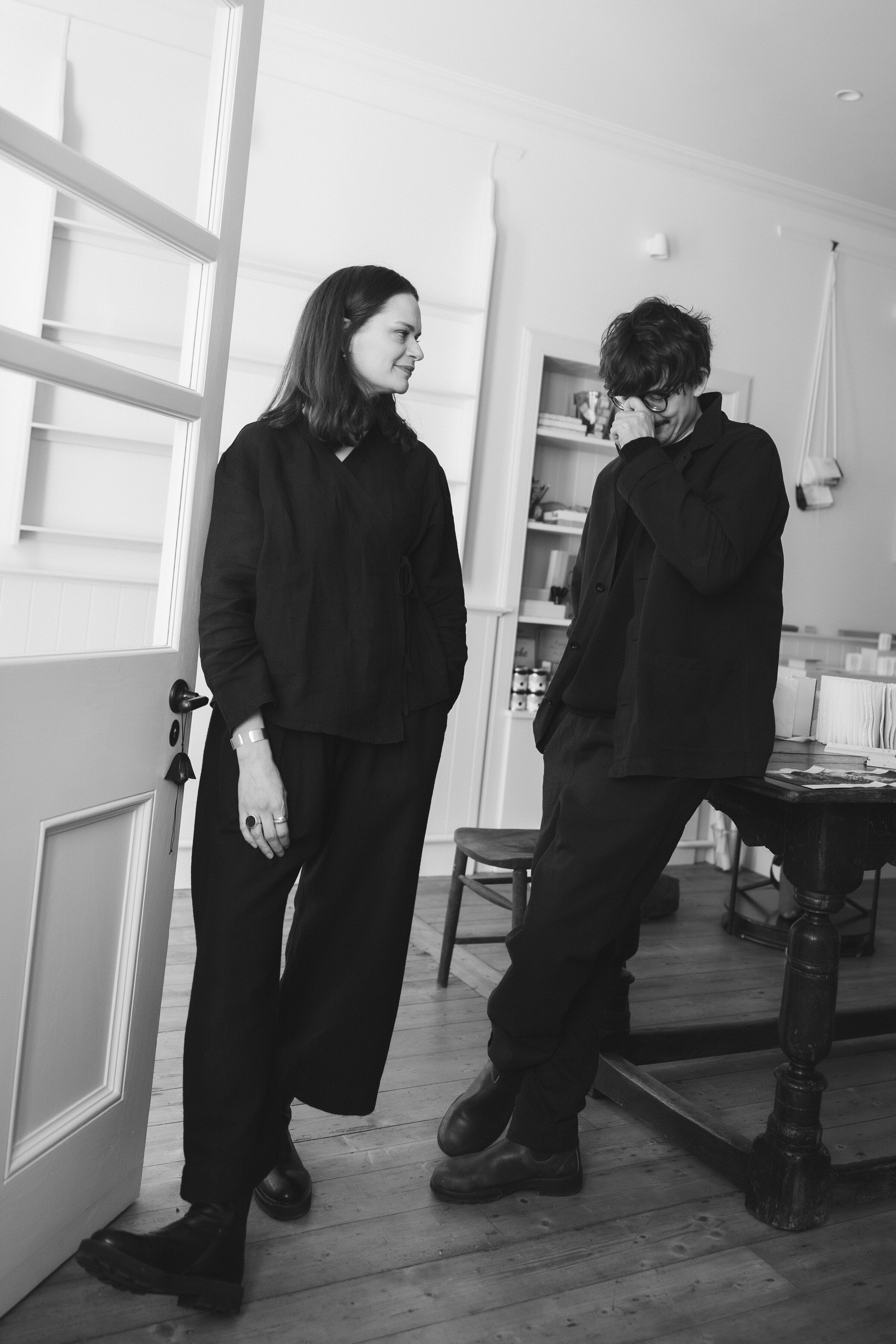
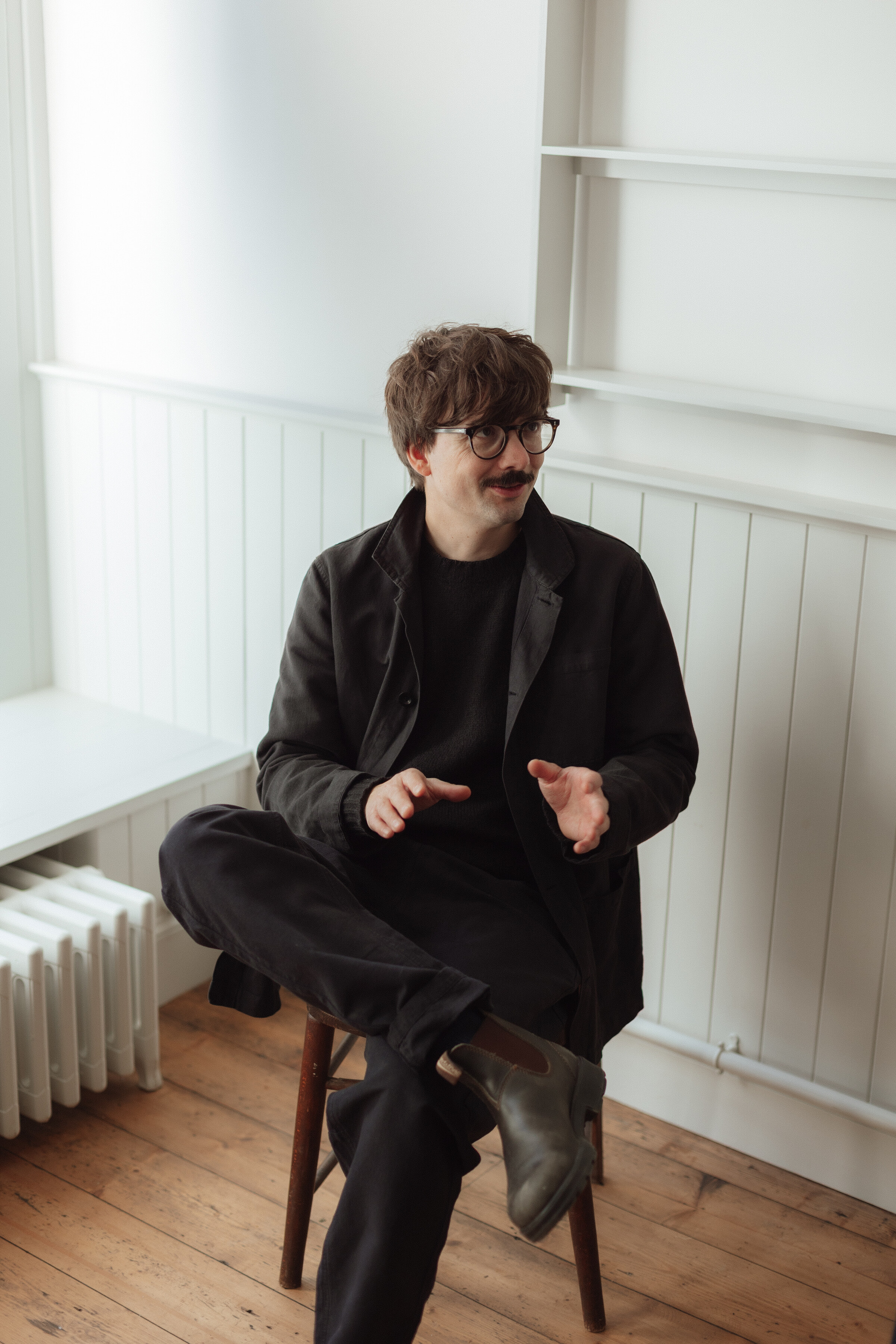
Photograph · Sarah Louise Photography
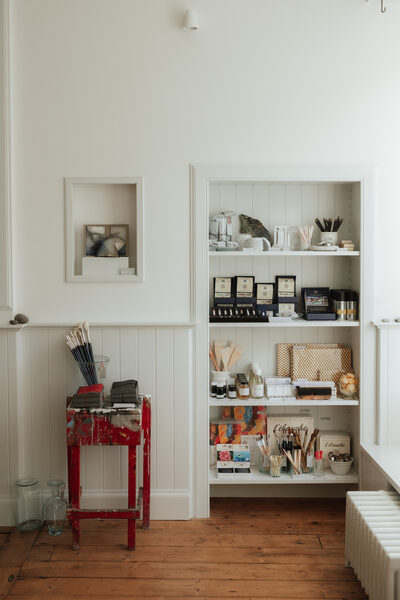
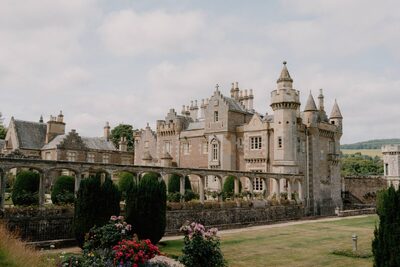
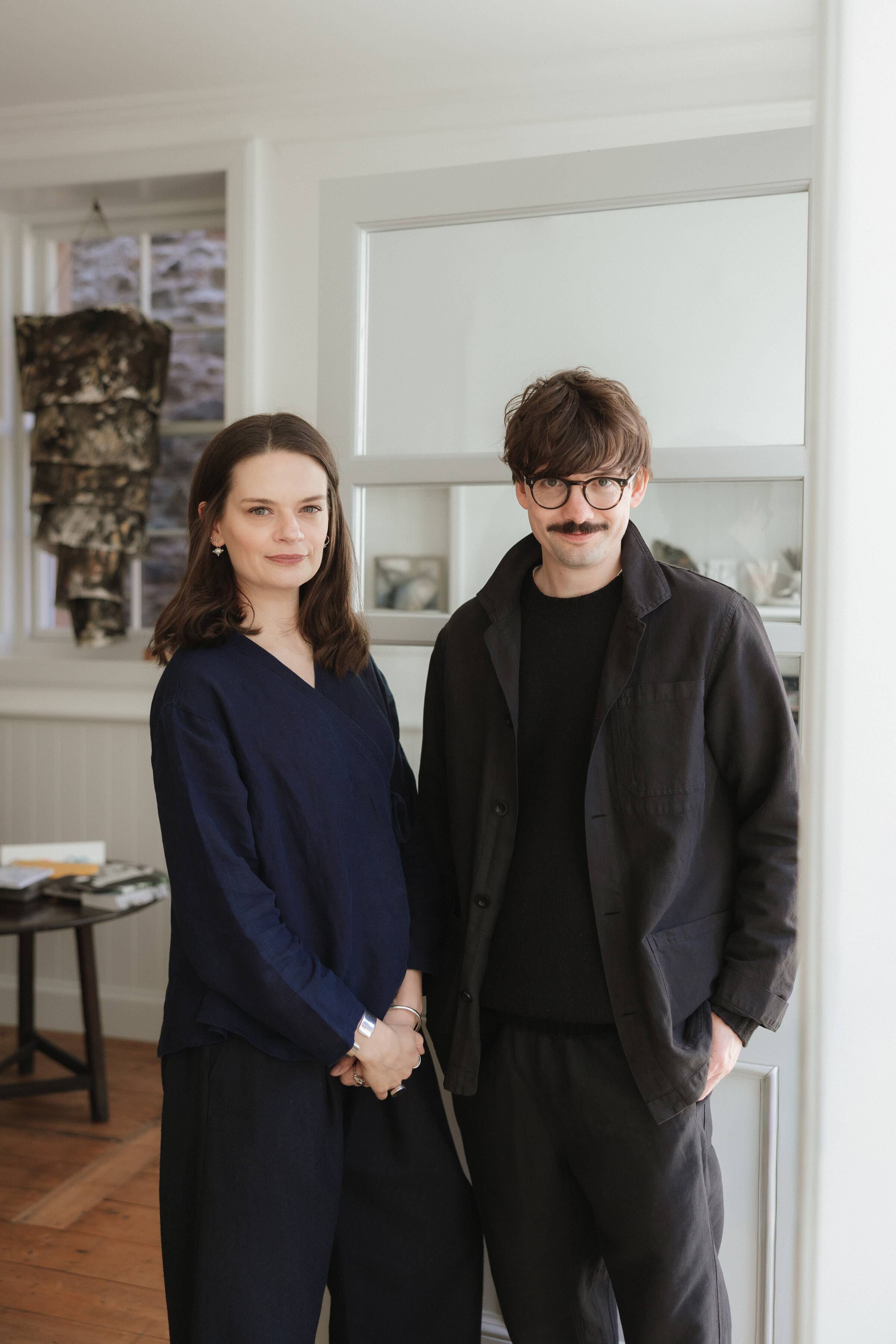
Rùda is a gallery, art shop and studio in the village of St Boswells, in an 1840s building on Main Street that artists Phillippa Henley and Shaun Fagan bought in 2024 and have been renovating largely by themselves. Opened in December 2025, it shows their own sculpture and printmaking alongside guest exhibitions, with a growing range of art and craft materials, some familiar and some a little more unusual.
In this interview Phillippa talks about Paperwork, a show of ten Scottish artists working in paper, print and book art, the river stones she covers in indigo linen and stitches by hand, the support she hopes to see for the arts in Scotland, and the studio the pair will begin building next year.
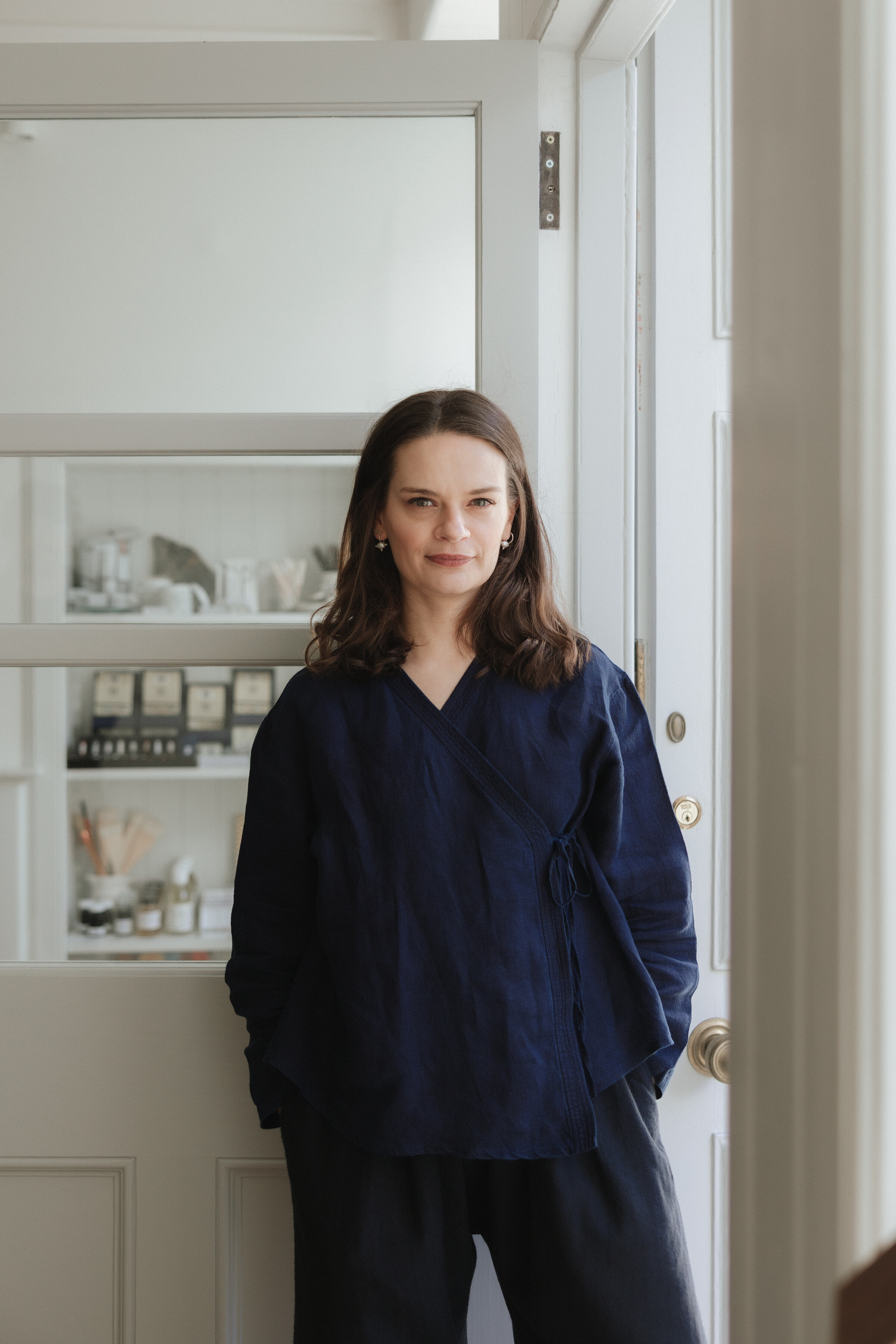
For anyone discovering it for the first time, what is Rùda?
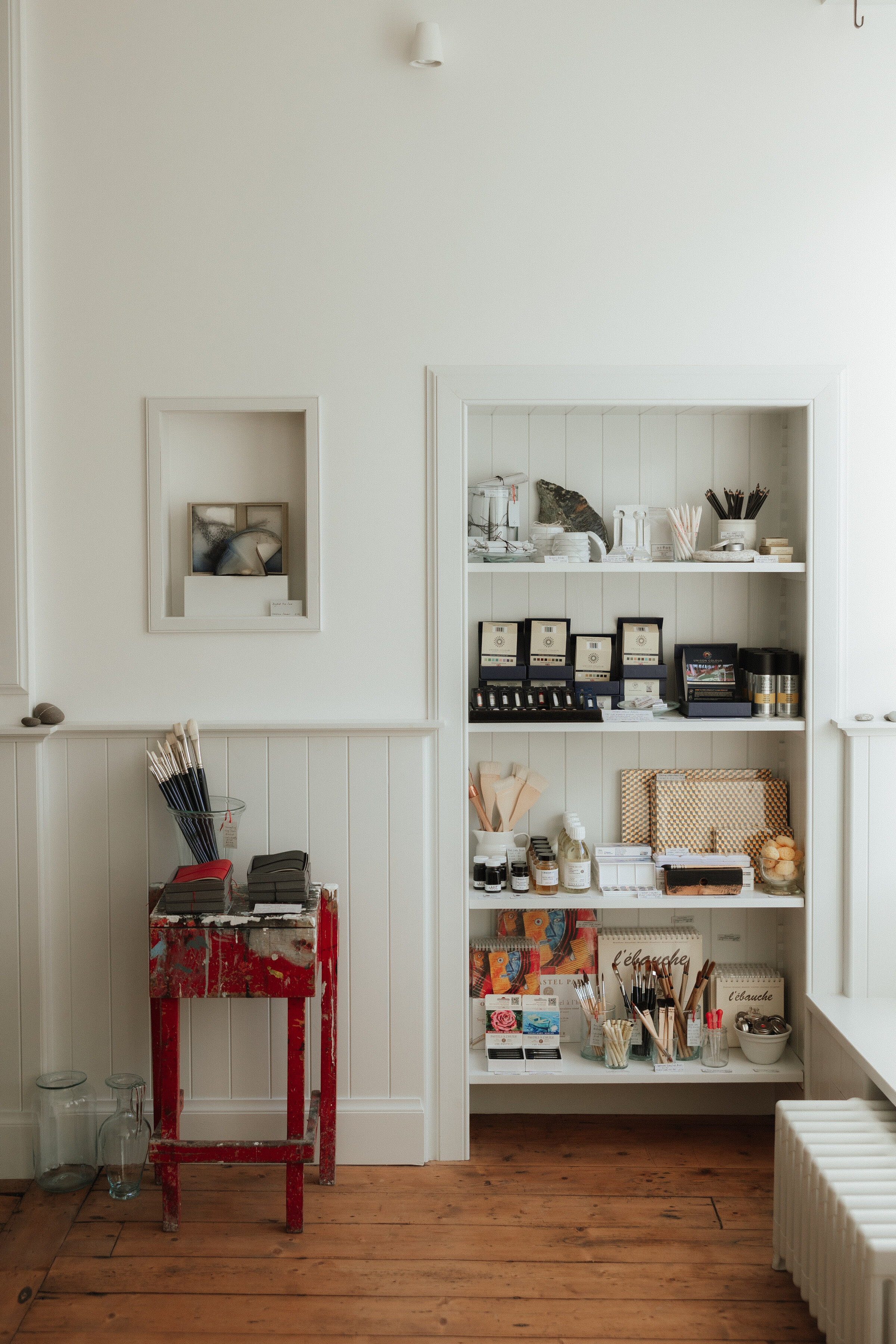
Rùda is a collaborative creative practice, independent art gallery and studio based in the village of St Boswells in the Scottish Borders. My partner and I, fellow artist Shaun Fagan, bought this beautiful 1840s building in the heart of St Boswells in 2024 and we have been slowly and carefully renovating it ourselves. As St Boswells is a conservation village and a community we have been a part of for many years, it was exceptionally important to us to honour the bones of the building and restore as many of the original features as possible. The gallery opened late last year and now exhibits our own work in sculpture and printmaking, as well as exhibitions from guest artists. We also have a growing range of art and craft materials some of which you would expect to see in a traditional art shop – some a little more unusual!
You’re both an artist and a gallery owner. How does your own practice shape the way you run the space?
This is such a great question and a vital aspect of what we are building here. Opening Rùda has been a true collaboration between us. We have been able to draw on our own art practices and individual strengths to inform the design and build of the project. As sculptors, we are well versed with tools and materials and that has allowed us to create the space exactly as we had imagined it.
Our aim is to run the gallery in a way that feels thoughtful and considered, both to our visitors and to the artists we choose to exhibit. More often than not, the artwork or object inspires the way in which the space is curated. We like to work in a way that feels both unexpected and in line with the quirks of the space, and I think that comes from our art backgrounds and sculptural thinking. As artists ourselves, we have an inherent understanding of the labour behind an artist’s work, the nature of the materials used and the personal impact of having art on show in a public space. It means we can step into the role of curator, technician and gallerist with the values of the artist at the forefront of each show.
What was the thinking behind Paperwork as an exhibition?
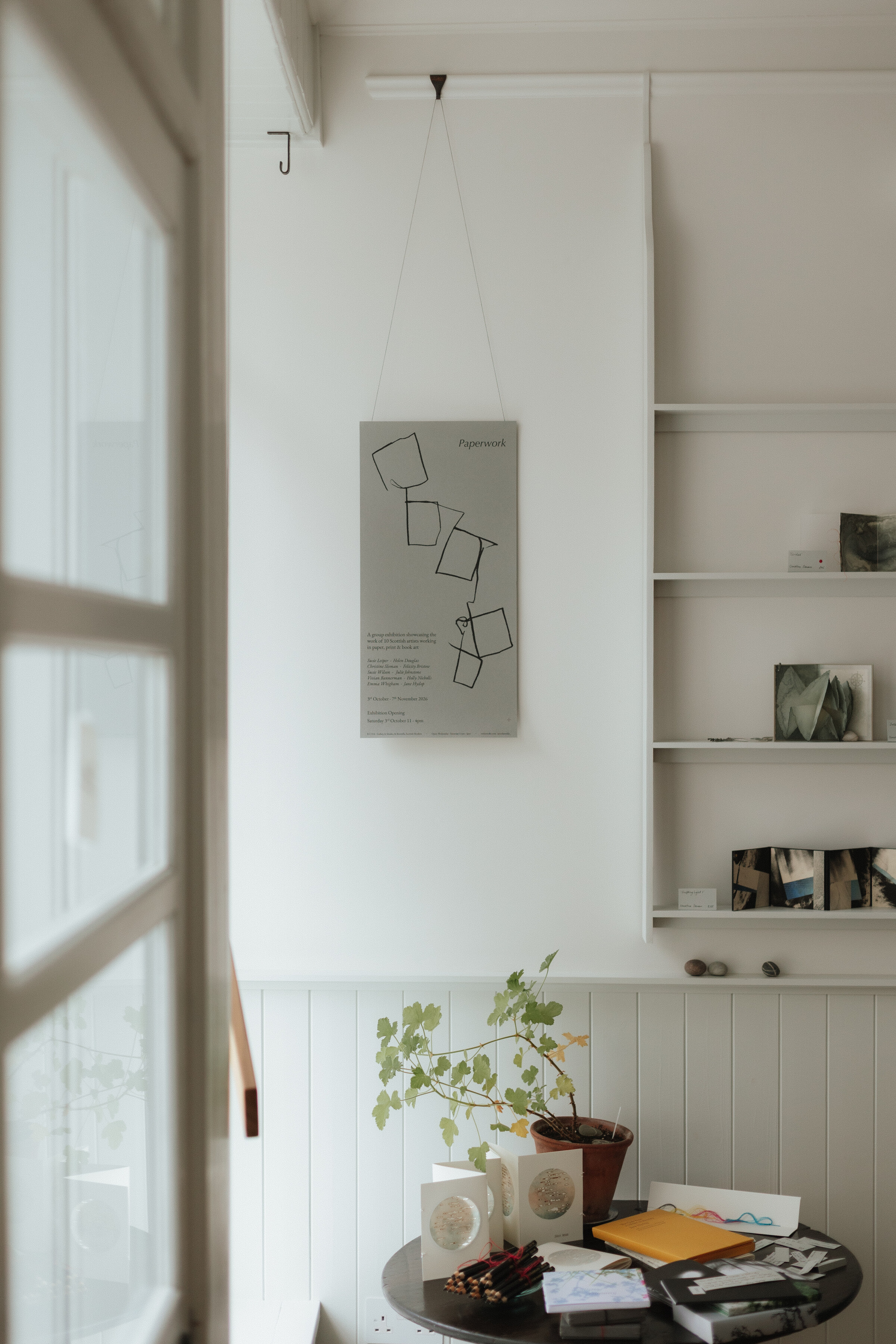
Our most recent exhibition, Paperwork, showcased the work of 10 artists working in paper, print and book art. Books are such a huge part of our lives and our own creative practices and the concept of the artist’s book has long been celebrated. We wanted to showcase Scottish artists working within this field – the contributing artists are based across the Borders, Edinburgh and Midlothian – and to show works on paper with a more sculptural lean. I had a very clear idea of how I would curate such a group exhibition and knew that the artists we chose would complement and challenge each other in a dynamic way.
What can you tell us about the ten artists in the show?
Jane Hyslop and Susie Wilson taught bookbinding and printmaking while I was studying at Edinburgh College of Art and I admired them greatly during that time, so it felt very special to have their work on show. Emma Whigam, Vivian Bannerman, and Felicity Bristow are local to us and are keenly involved in the Borders art scene, so it was a joy to have them in the show and to exhibit new and archival work from each of them. Helen Douglas, another Borders-based artist has had an expansive career in book art and a lifelong practice working within the Borders landscape. Emerging artist and researcher Holly Nicholls showed new work from her current body of research, combining her training as a painter with performative field work. And finally Christine Sloman, whose work integrates her specialist career as a book conservator and printmaker and Susie Leiper, one of Britain’s leading calligraphers and celebrated book artists. We are so fortunate to have been able to work with each of them.
Some of the artists in the show exhibit in very prestigious galleries. What does it mean to be bringing them to the Scottish Borders?
To be able to bring together 10 such varied and inspiring female artists into the gallery has been a particularly empowering moment in Rùda’s first year. Some of the exhibiting artists have shown work in galleries such as MOMA New York, The British Museum, Fruitmarket Gallery and the RSA, alongside having work held in libraries and university collections around the world. To have them together in our gallery in St Boswells is so incredibly special and a real honour.
Book art is something many visitors might not be immediately familiar with. What do you hope Paperwork opens up for them?
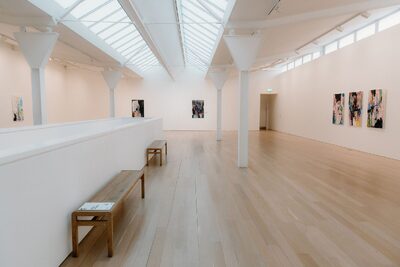
From the outset we wanted to touch on the more traditional aspects of book making and contrast those with a more abstract and sculptural approach to working with paper. We chose each of the 10 artists with this dichotomy in mind. The gallery has a symmetrical frontage and so we chose to mark those two schools of thought within the two main windows. Upon first glance visitors were greeted with the ambiguity of the word ‘Paperwork’ and sculptures in the windows – one with recognisable pages and binding – the other a more dynamic structural installation. That visual tension continued throughout the show and created such a wonderful dialogue between visitors and ourselves. I hope it sparked thoughts on how we understand the concept of a book and how paper can exist beyond the page.
You and Shaun are both practising sculptors. Can you tell us a little about your own work?
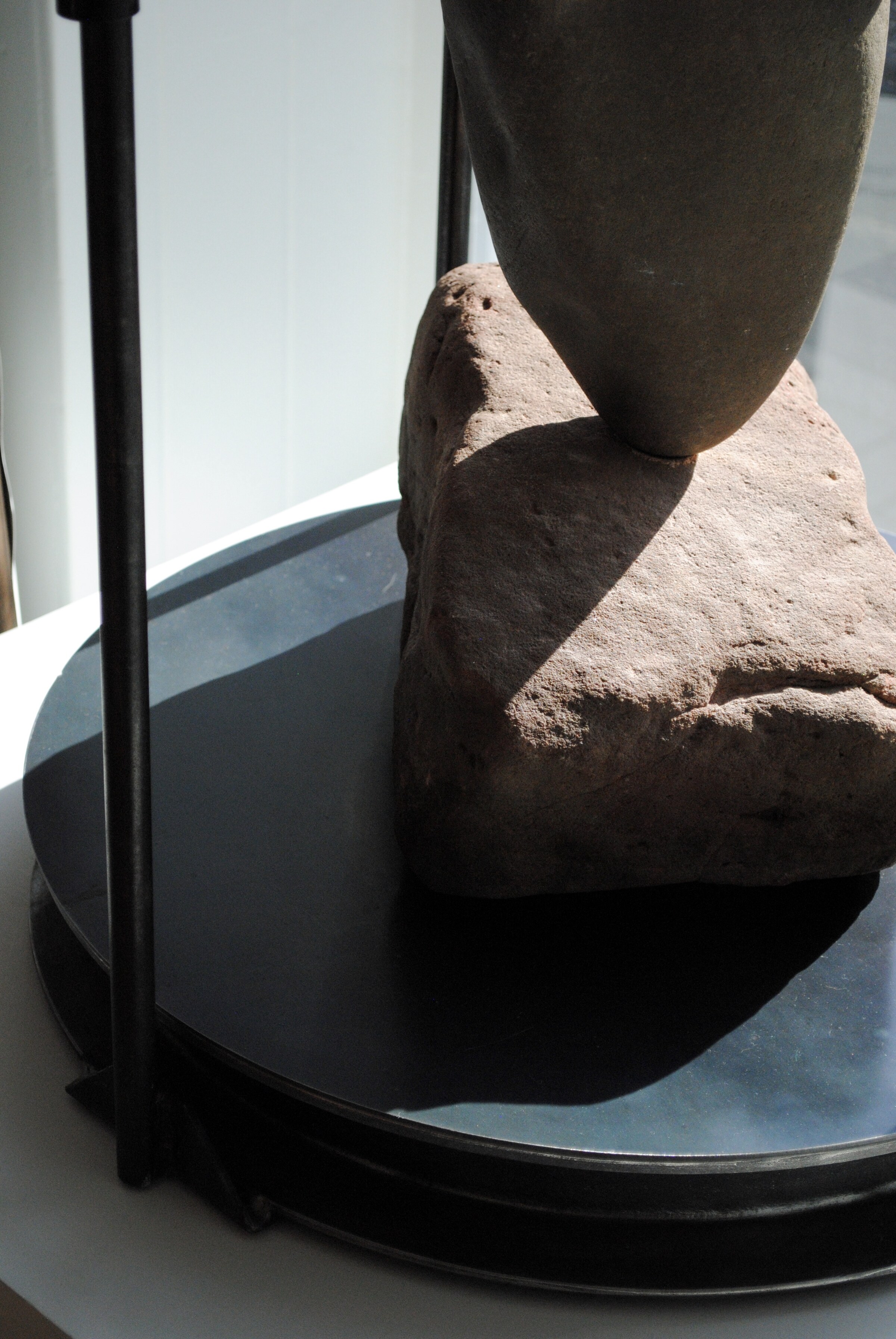
While our practices are inherently different, we have always worked alongside each other and naturally our conceptual and material interests overlap. At present we have both been working with stone from the River Tweed. Shaun frequently works with steel, wood and often includes a kinetic element to his sculpture – be that in physical making of the work or in the gallery install. He is currently working on a set of reductive sculptures, formed from stone housed within a motorised steel structure – the constant movement and gravity emulate naturally occurring erosion. The work will continue to evolve, as the self fulfilling mechanism creates abstract forms.
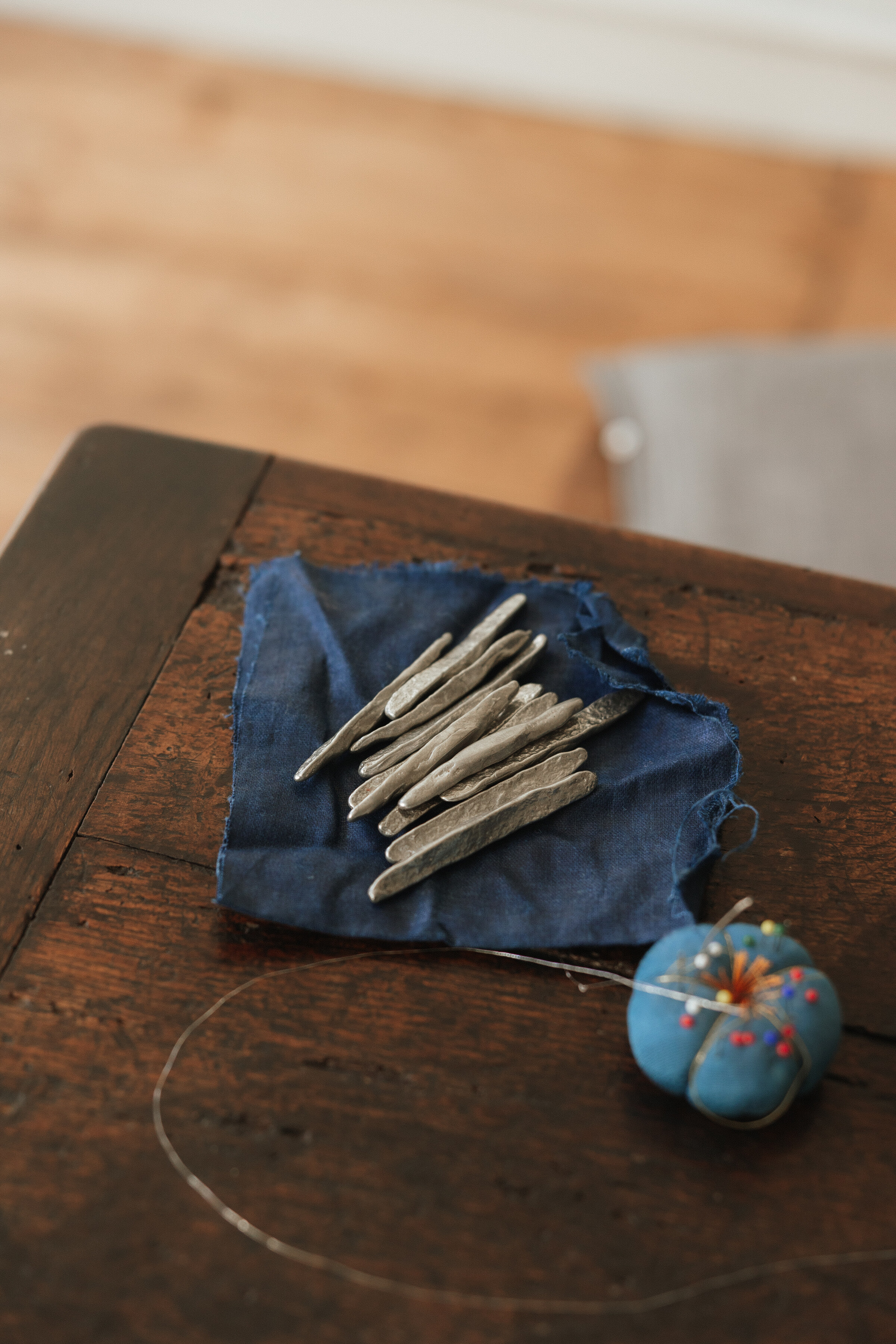
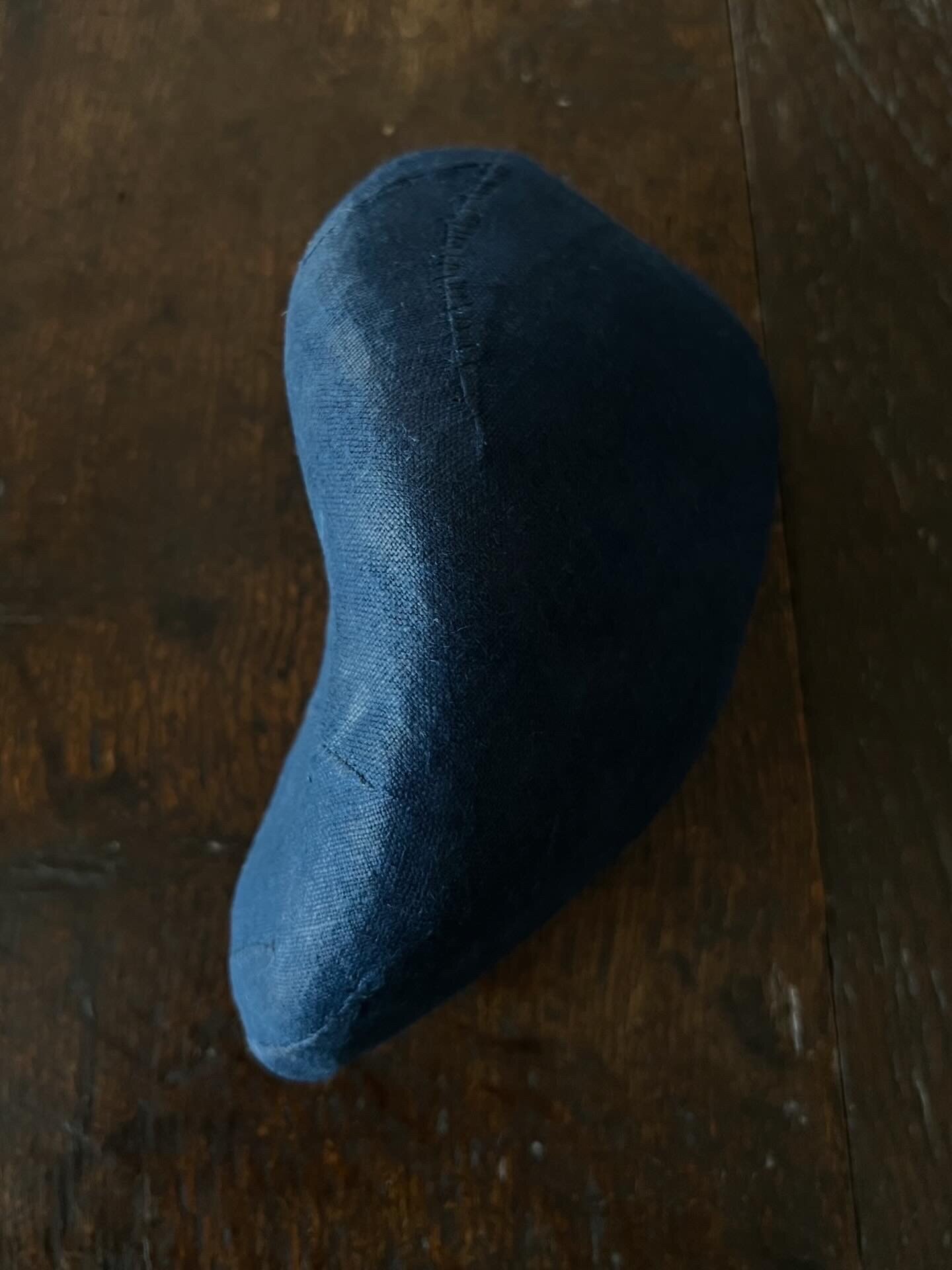
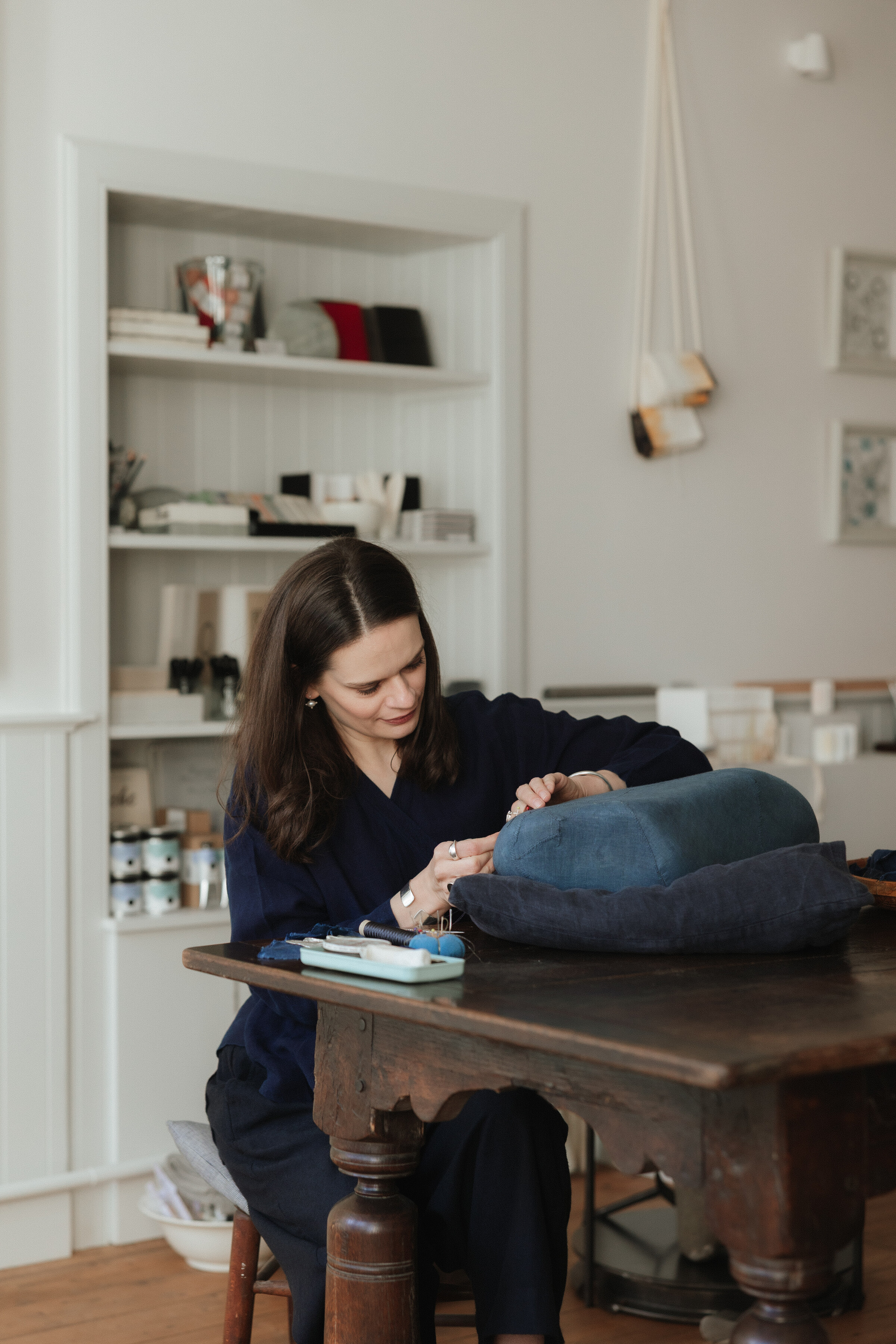
My work is distinctly material and process led, often involving a repetitive labour and layering of techniques. My current body of work is an ongoing series called ‘Mindings’, taken from the Scots tradition of ‘a wee mindin’ – a thoughtful notion or keepsake. I have always collected beach and river stones, each the tangible record of a body of water. In ‘Mindings’, river stones are tightly covered with hand dyed indigo linen, processed by hand to develop a lustre that recalls the surface of water and then stitched with fine Japanese silk threads.
What do you think the arts in Scotland need more of right now?
Support. In all its guises; from government funding and financial backing from the arts sector, solid investment in arts education (from the top to the bottom of the ladder please!) to public engagement. There are so many talented artists and crafts people across Scotland, many of whom are struggling against the tide of cuts, closures and a lack of studio affordability. I just hope, as we see things like courses being cut in art schools, that small independent arts businesses like Rùda can be part of a supportive network for artists, while we wait for the big institutions to catch up!
What’s next for Rùda?
Our first birthday on 5 December! We have had such an incredible opening year and are so grateful for all the support we’ve had, it has been such a joy to see people experiencing the thing that we have been dreaming about for so many years. The gallery is the first part of the puzzle and we will continue to show our own work and the work of guest artists, as well as growing our range of art materials – we’ve got some fun projects in the works! But the next big thing on the agenda is the studio. We have always intended to have a working studio at the heart of everything and next year we will begin the mammoth renovation of the space at the rear of the building. This will become a multidisciplinary studio for us to work in and from which to host workshops, classes and events. We will again do the majority of the work ourselves, so it will take some time, but we hope it will be an inspiring and unique addition to the community and finally a space for us to delve deeper into our own practices.
Favourite spot to visit in and around the Borders?
Where to begin, we are so fortunate to have such beautiful countryside on our doorstep. But if I am being truly honest it’s right here – in our wee village, in the shadow of the Eildon hills, walking along the banks of the River Tweed – nothing else comes close.
Rùda, Main Street, St Boswells TD6 0AP.
Places in this article.
Every place in the article, for you to visit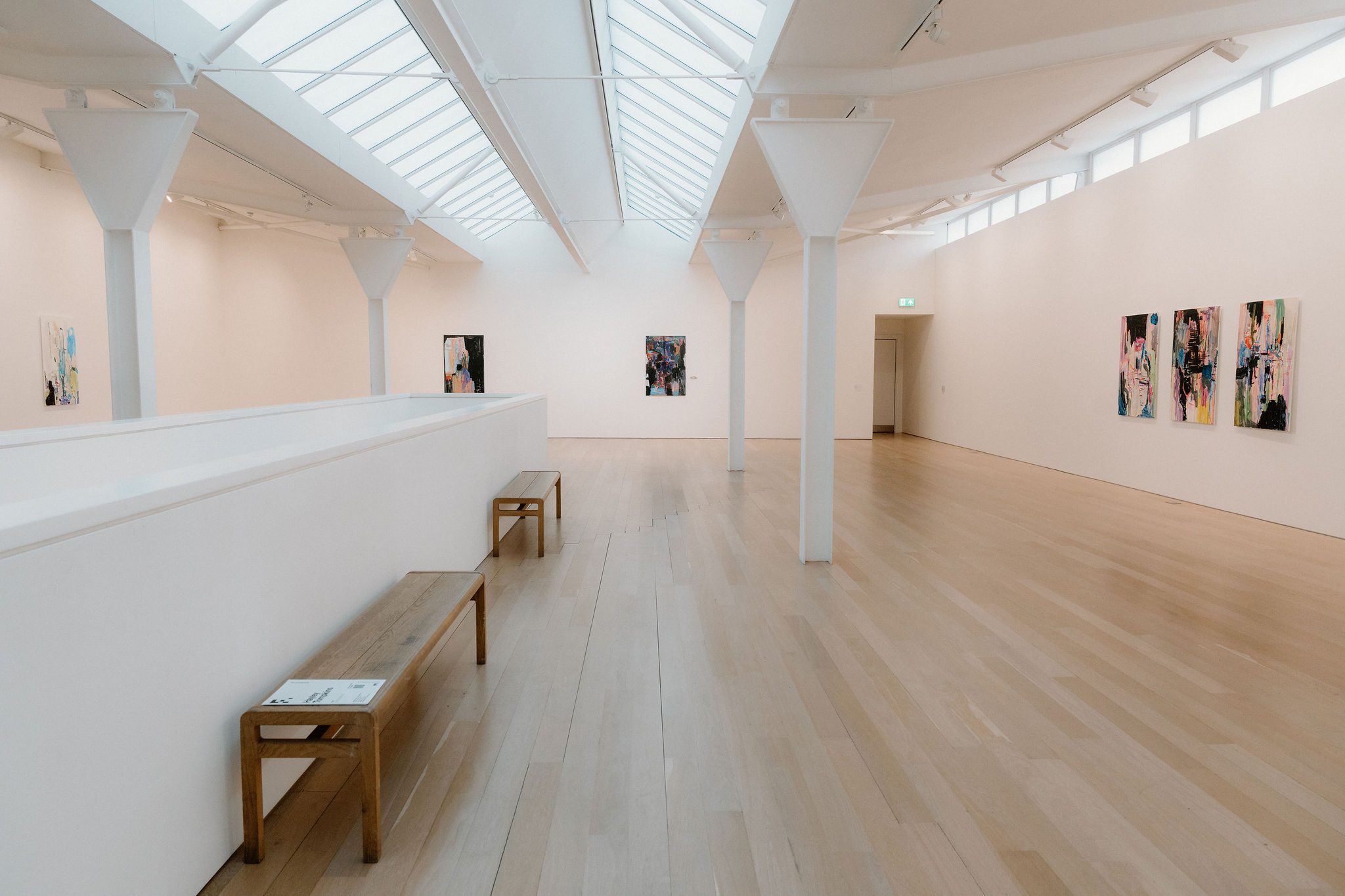
 Out now
Twice a year, to your door.
One hundred and sixty pages of Scotland, every photograph commissioned, every word written by someone who went. Members get both issues posted and everything on screen.
The Daily
Arrives at 5am every day.
A free morning email to see what’s on this week, catch up on what’s happening in Scotland and find somewhere new to go.
 Gretna Green, Dumfries and Galloway
The First Taste of Scotland, Gretna Green.
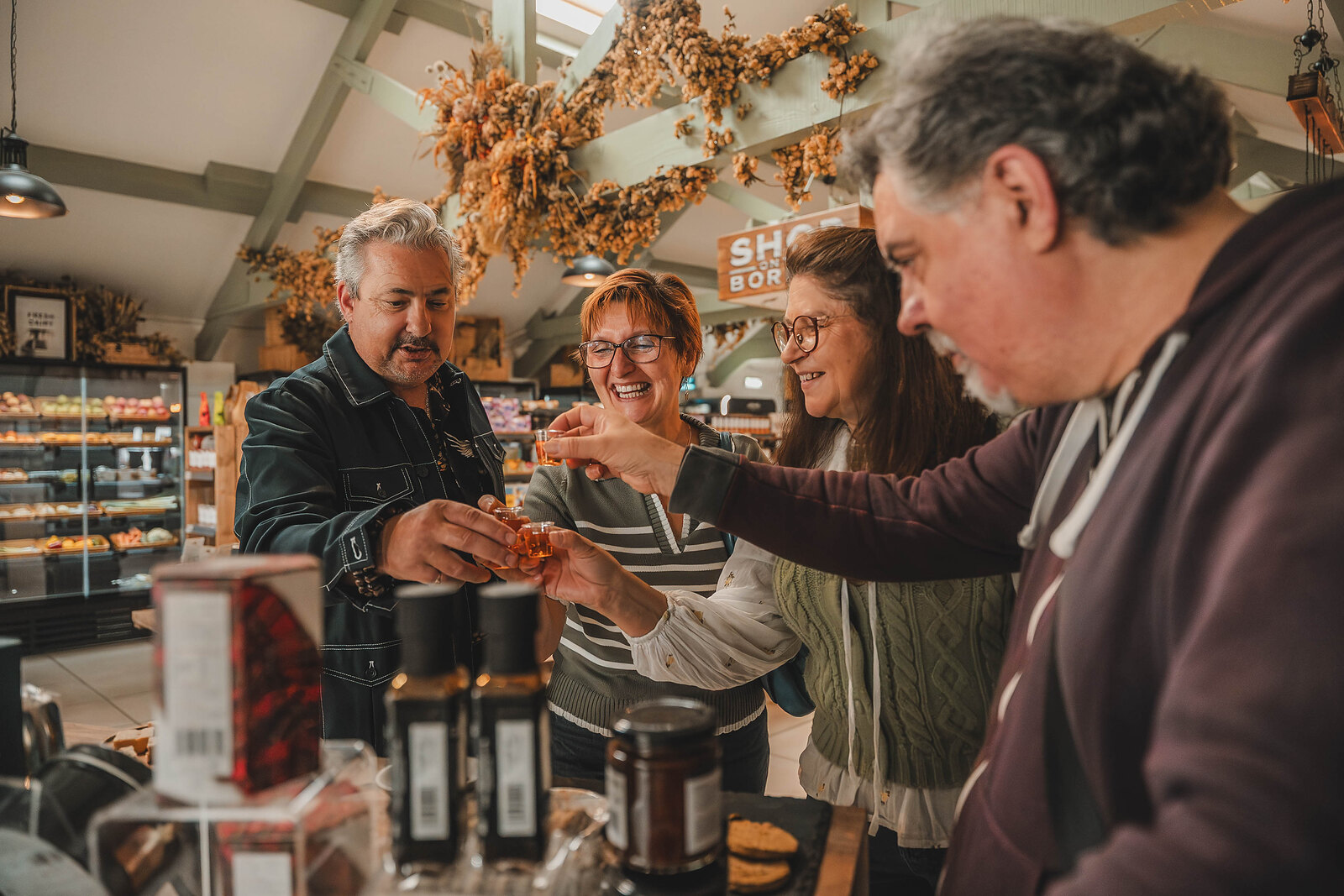
Local treats and Scottish favourites, tasted with a host who tells the story behind each one. Half an hour, and whatever you like best can go home with you.
Recycled Decorations.
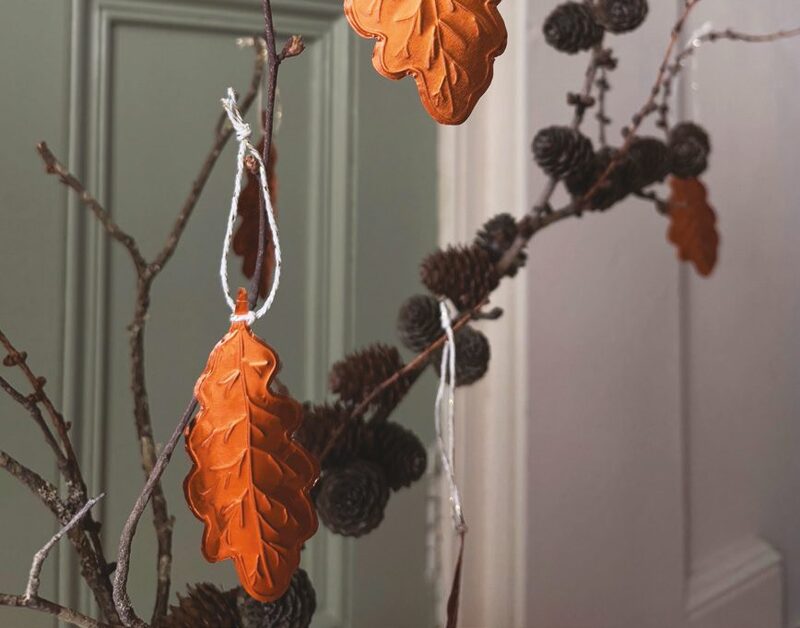
In the past, Yule celebrations were far thriftier: folks would use what they had and turn simple, plain, everyday objects into beautiful decorations. A few years ago, I did an online workshop with artist Jess Wheeler where we made decorations out of old tubes of tomato purée, which sounds like it shouldn’t work but is incredibly effective! The inside of a tomato purée tube is aluminium, usually gold in colour.
Read the article