
Contents


Loch Leven Nature Reserve
Scroll to explore
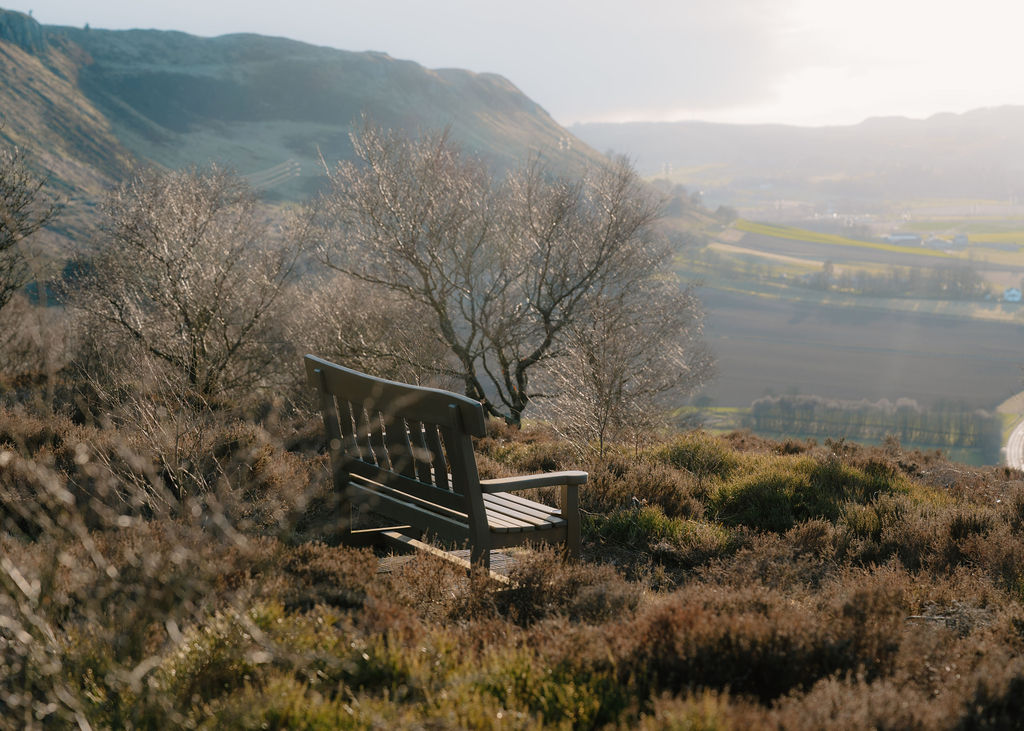
This family-friendly reserve, set among the rolling moorland of Lomond Hills Regional Park in Perth & Kinross, is a fantastic place to get youngsters engaged in the joys of nature.
On the Shores of Loch Leven
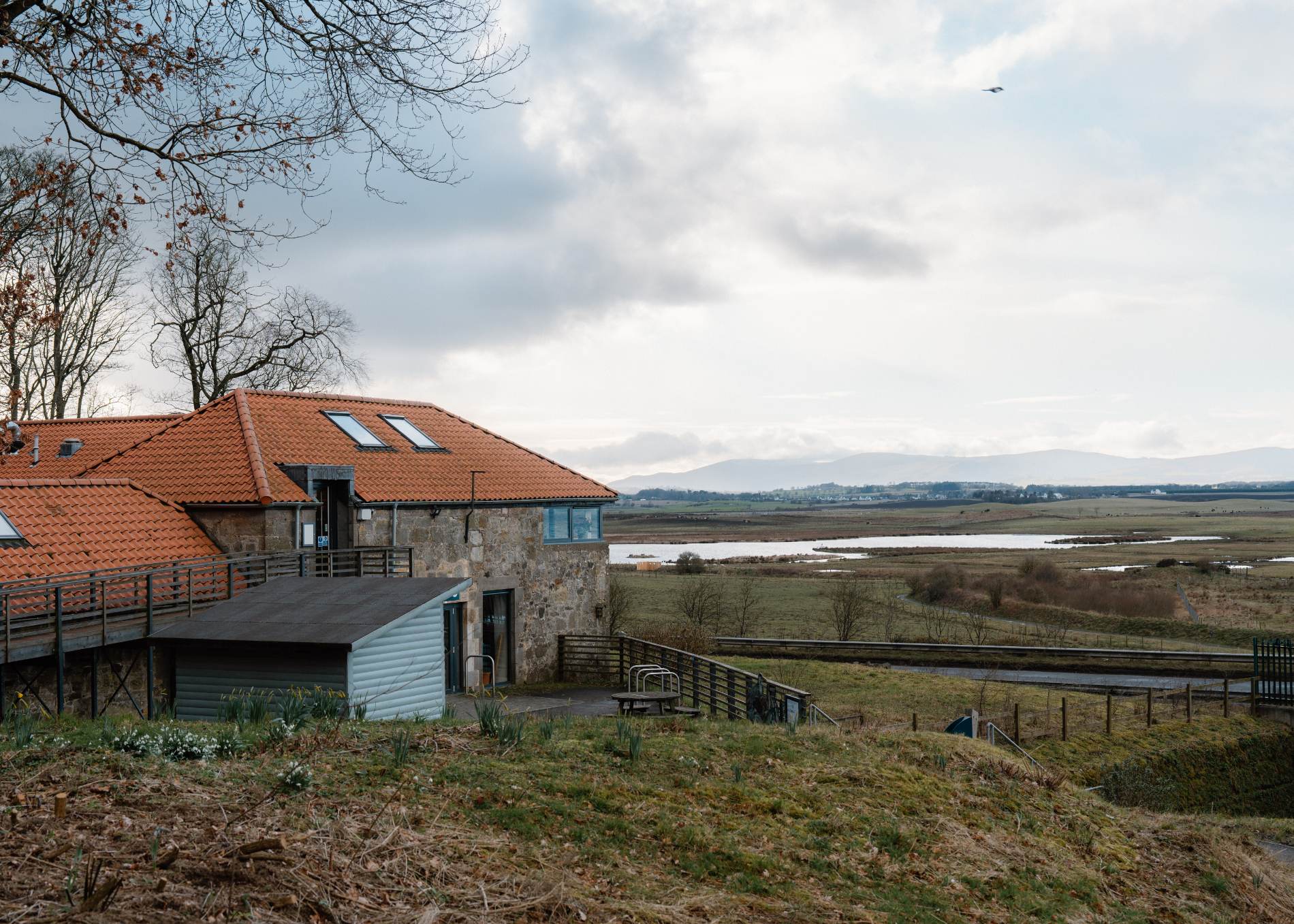
On the southern shore of Loch Leven — a glorious, island-dotted freshwater loch just 17 miles (27 km) north of Edinburgh as the swan flies — lies one of the most notable RSPB reserves in the country. This is saying something. RSPB Scotland manages some 77 nature reserves, from Shetland to Dumfries & Galloway and from the Outer Hebrides to Aberdeenshire, and these wild, unspoilt places are open to all.
The RSPB’s Loch Leven Nature Reserve is one of the jewels in its branch-woven crown. The reserve gazes out across the surface of Scotland’s largest lowland loch, its mix of birch woodland and birdlife-rich wetland providing a hugely appealing setting not only for wildlife, but visitors too — particularly youngsters.
Young Explorers
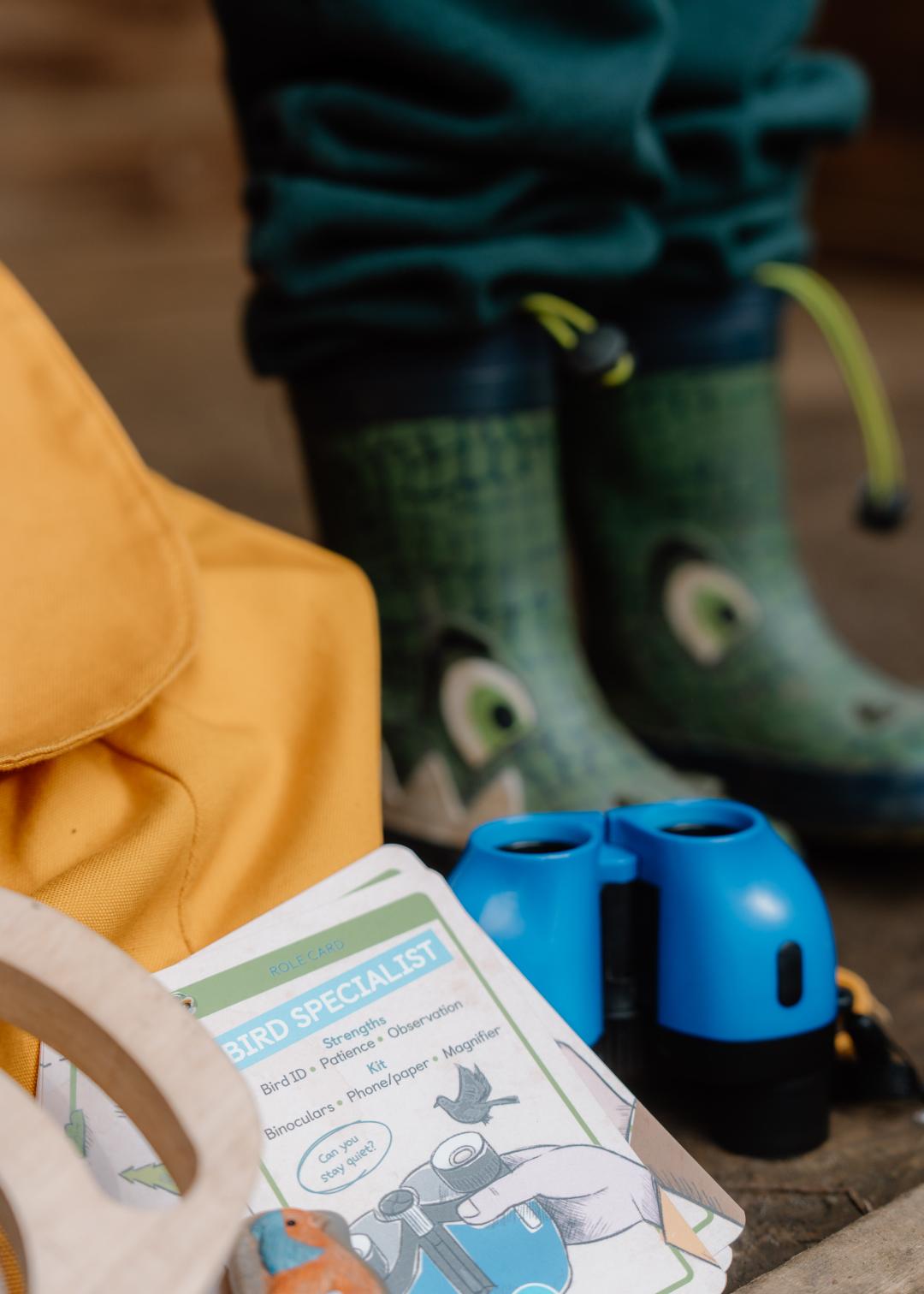
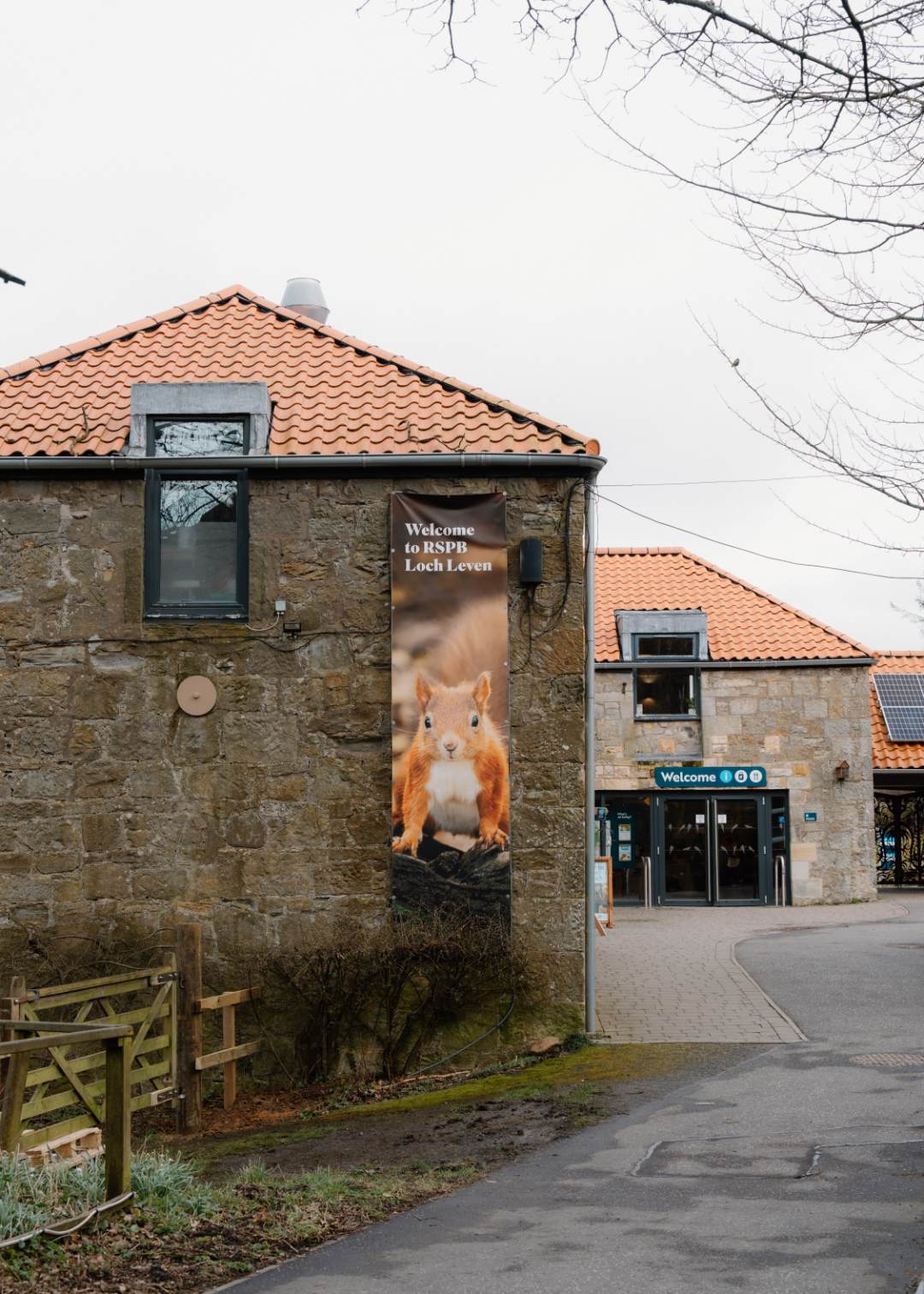
The reserve is brilliantly geared up for children, with family-friendly facilities, an engaging visitor centre overlooking the loch, and hireable equipment including pond-dipping kits and Nature Quest backpacks. These backpacks, described as ‘an adventure in a bag’, contain bug pots, a torch, binoculars, a tape measure, tweezers and magnifier, among other simple-to-use tools — everything, in short, for kids to be able to explore the reserve with a naturalist’s excitement.
And there’s much to be excited by. Red squirrels scamper through the trees and across the forest floor, while springtime sees the arrival of swallows and large numbers of breeding waders, among them redshanks, lapwings, oystercatchers and sandpipers. The chillier months are no less spectacular, with more than 5% of the entire Scottish population of whooper swans overwintering here, alongside flocks of up to 20,000 geese. At first light they lift from the water in their thousands to feed in surrounding fields, returning again at dusk to roost.
Other treats for young birdwatchers include great white egrets, sparrowhawks, curlews and marsh harriers, as well as rare tree sparrows (the elusive cousin of the house sparrow), a quacking multitude of different duck species and, if luck’s really on your side, even the occasional white-tailed sea eagle, the UK’s largest bird of prey. Unsurprisingly, the loch and its surrounds are seen as globally important by ornithologists.
Volunteering with the RSPB
Volunteering with the RSPB
Big Garden Birdwatch
The RSPB launched its annual Big Garden Birdwatch (BGB) back in 1979, with a special slot on TV show Blue Peter. It was initially aimed at junior birdwatchers, but more than 45 years later the initiative has grown to become the UK’s largest citizen science wildlife survey. More than 590,000 contributed to the most recent BGB, collecting invaluable data on the health of our birdlife.
The RSPB reserve here forms part of the larger Loch Leven National Nature Reserve, the entirety of which is protected to ensure the future health of its meadows, wet grasslands, raised bog, ponds and willow and reed beds, as well as the species that call them home. On the loch itself, meanwhile, the islands serve as ideal nesting sites for numerous water birds, and the fact that around half the loch is under two metres in depth — making it easy to feed on small creatures and aquatic plants — also explains why so many swans and dabbling ducks are drawn here.
Paths to Follow
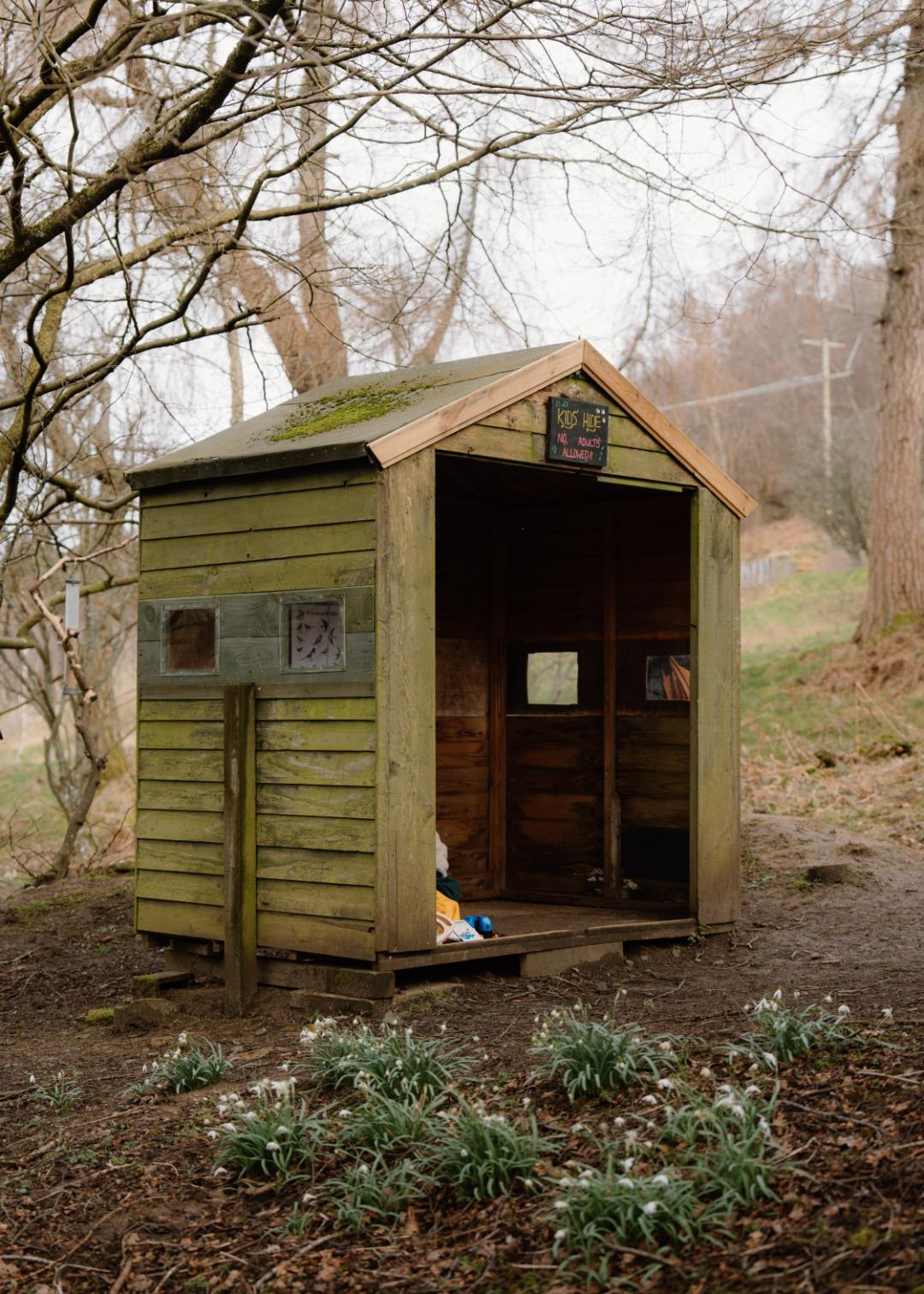
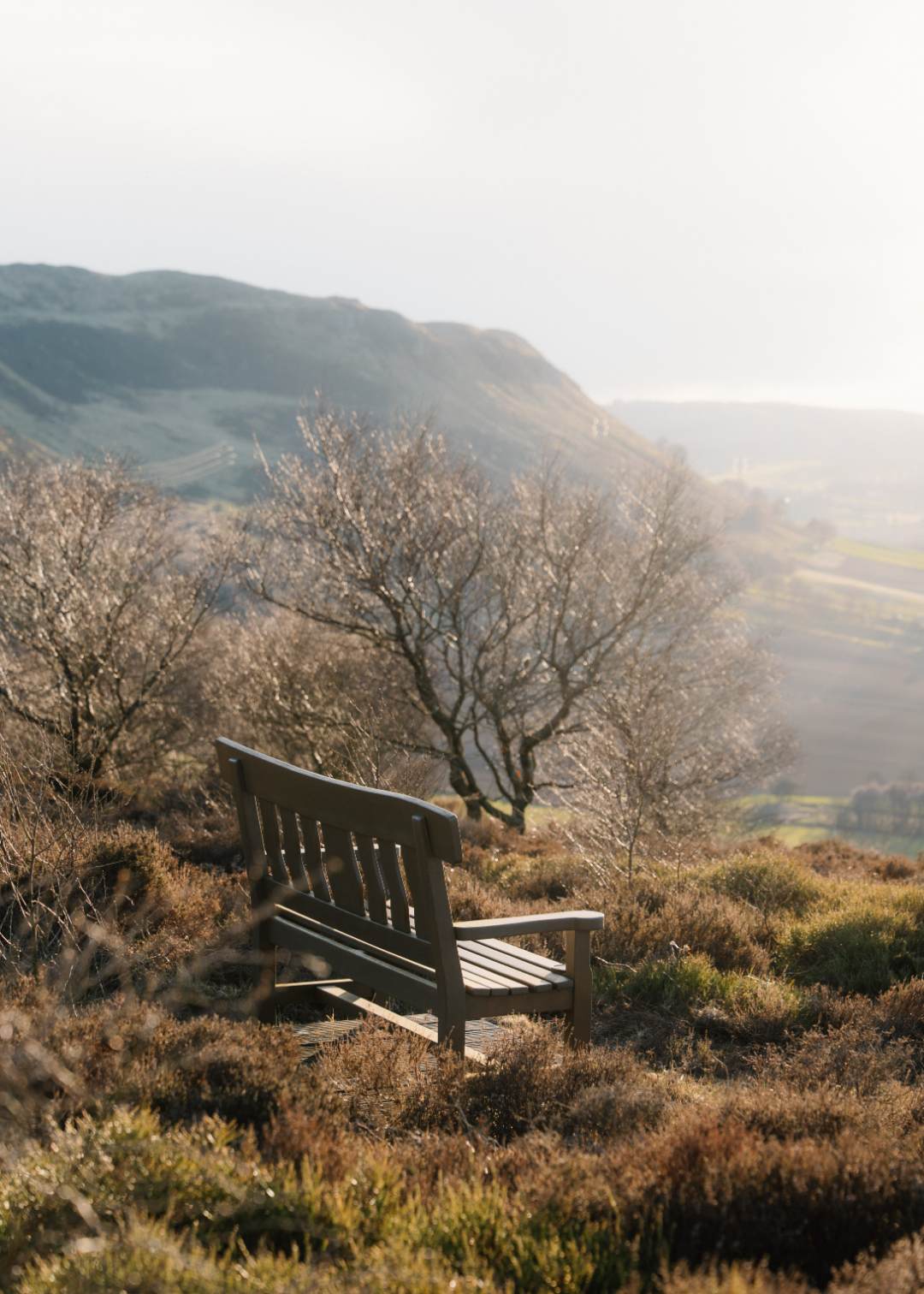
The reserve isn’t just a haven for wildlife. It’s often said that children have to experience nature to appreciate it, and Loch Leven’s explorable trails and eye-opening wildlife encounters are the perfect way to ensure this happens. The RSPB’s short, accessible Leafy Loop Trail is ideal for young kids — along the way you’ll find a ‘sky bench’, designed to let you lay back and cloud-gaze, and a pint-sized wildlife-watching hut with a sign reading ‘no adults allowed’ — and there’s also a secret garden to discover, with flowers, herbs, animal statues and water features. The Wetland Trail, easily reached from the Visitor Centre, is another great option.
The whole reserve is very much a place not just for seeing, but for doing. Muddy fingers mean active minds, and a dedicated family map of the reserve gives a full overview of the best trails and activities for little ones — including a den-building area — with information on path gradients and colourful illustrations of local species such as blue tits, frogs and shield bugs. Also on site is a natural play area, dotted with wood-carved animals.
Wildlife Explorers
The RSPB has long been aware of the importance of getting youngsters engaged in nature. It was 1965 when it launched the Young Ornithologists Club (since renamed as Wildlife Explorers) and RSPB youth groups now exist across many parts of the UK. A central part of this ethos is to ensure that children aren’t just given the chance to experience, learn about and enjoy the natural world — but that they feel empowered to help it.
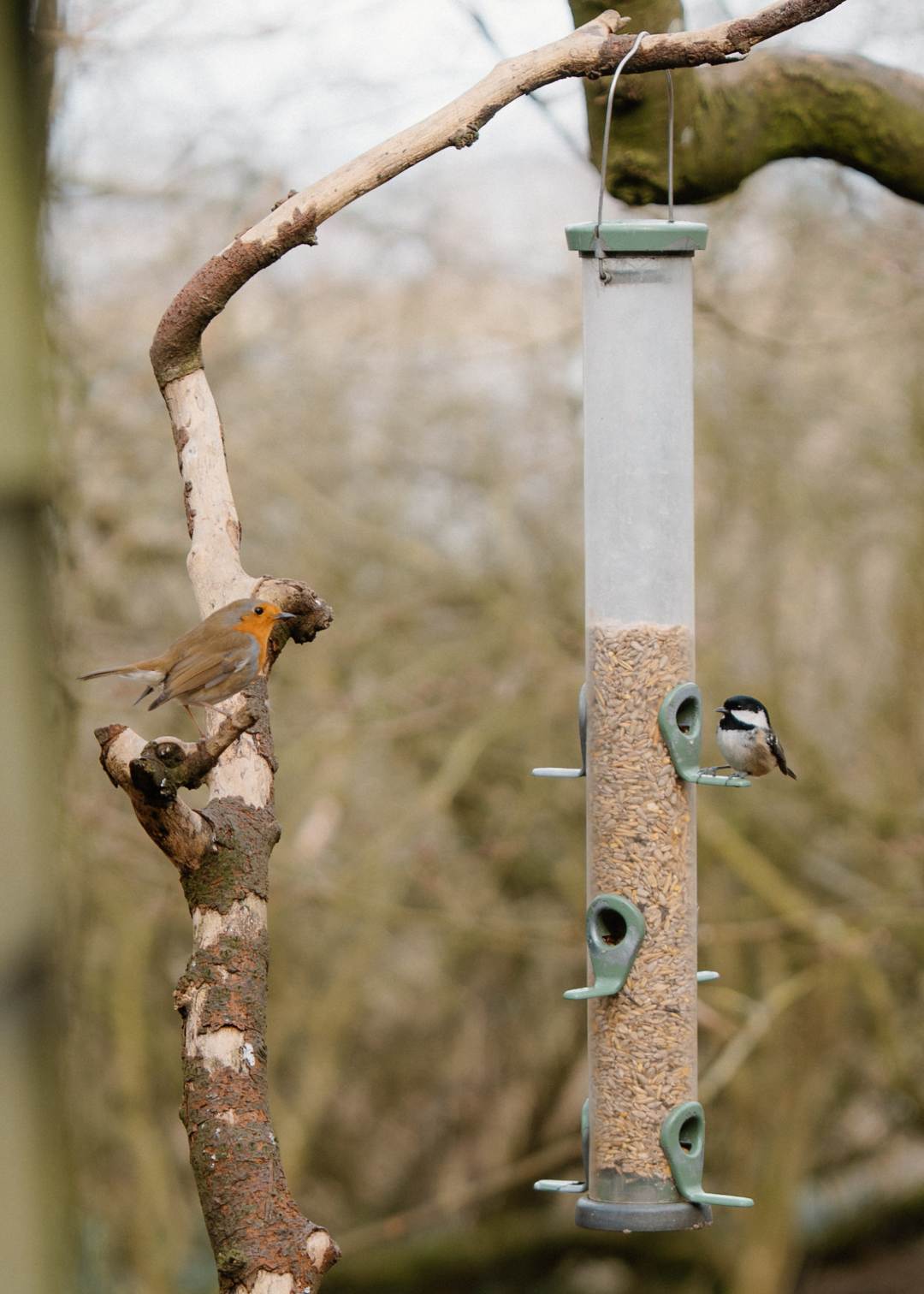
Naturally, the reserve has just as much pull for those without young children. The extraordinary array of birdlife is testament to that, not to mention a trio of accessible viewing hides and a spectacular full-circuit trail around the 13-mile (21 km) perimeter of the loch. It’s also worth noting that the Visitor Centre, café and shop are all dog-friendly, too.
Creativity and learning, meanwhile, are actively encouraged. A host of different events and workshops take place across the year, aimed at nature-lovers young and not so young. At RSPB Loch Leven, these cover subjects as diverse as birdwatching for beginners, ‘blossom squashing’ workshops, lapwing guided walks, wildlife writing workshops, floral embroidery, composition and collage, and introductions to birdsong.
Island History
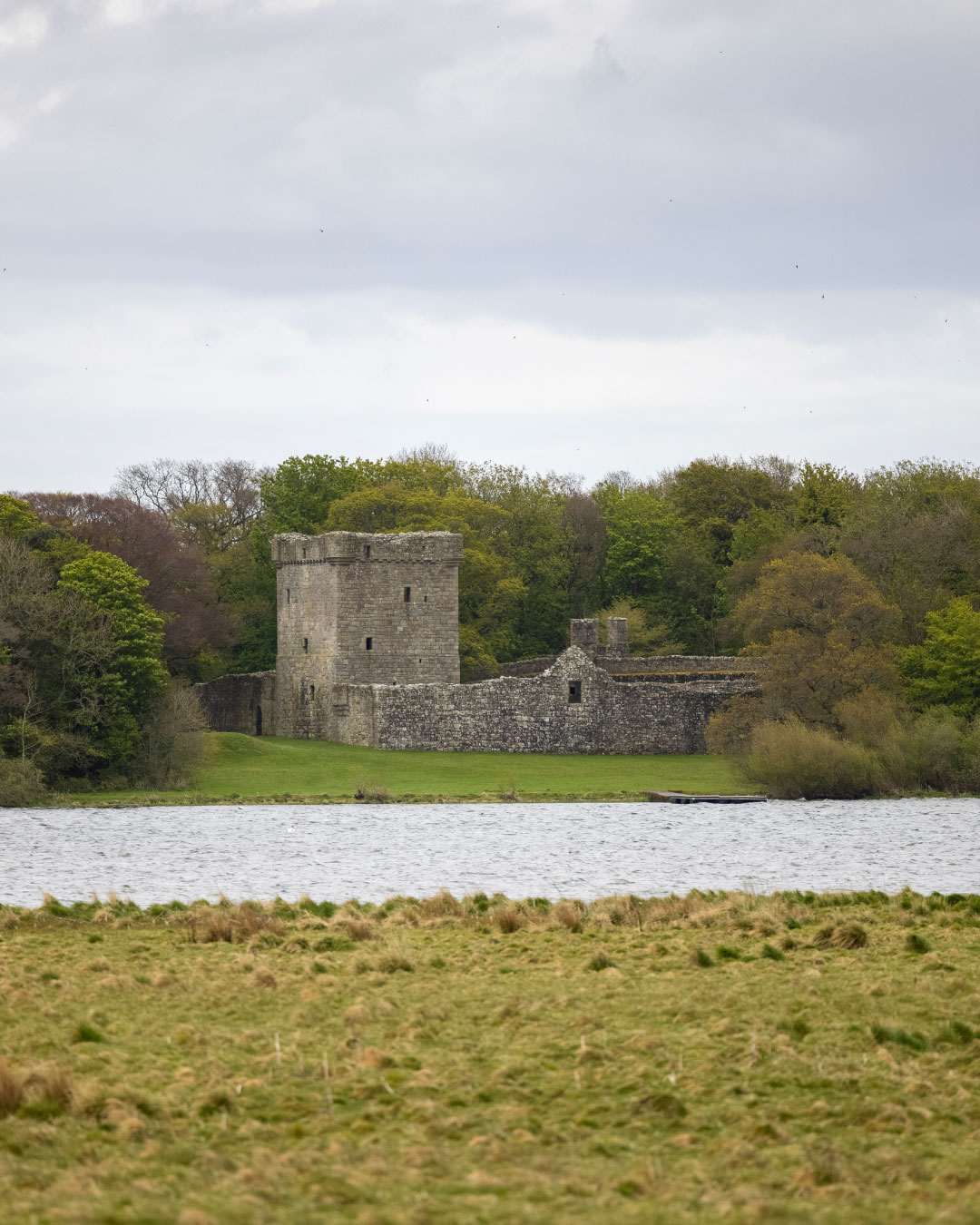
Of the seven main islands scattered across the surface of the loch, one has an especially dramatic past. The stone-built 14th-century castle that still stands on Castle Island imprisoned Mary Queen of Scots in June 1567. She escaped, daringly, in May 1568 — dressed as a servant and fleeing by boat — and never returned to Scotland again.
Closer Than You Think
Standing on the banks of Loch Leven and feeling the wild breath of the outdoors all around you, it can be strange to think of Edinburgh being so close by. The reserve’s easy-to-reach location, however, is a big part of what makes it such a unique place, and thanks to the ongoing work of the RSPB and its supporters, it’s somewhere that will be cherished for many generations to come.
This feature is a paid collaboration with RSPB and VisitScotland. If you want to learn more about this reserve and the other 76 RSPB Scotland looks after, go to www.rspb.org.uk/days-out/visit-scotland.






 Sign in with Google
 Sign in with Email